
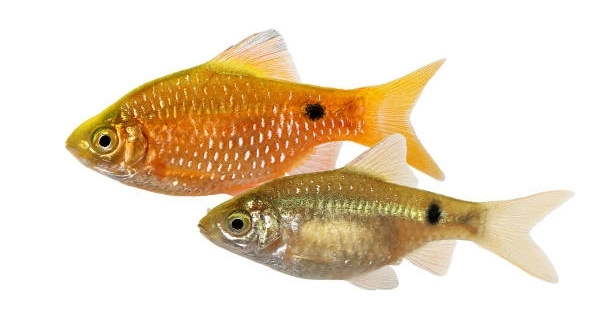
Rosy barbs are small, colorful fish often found in home aquariums. Many people enjoy watching their lively movements and bright colors. Observing how they swim can be quite interesting, especially when they seem more active than usual.
Rosy barbs do swim faster when they are excited. Their increased speed is a natural response to stimuli, such as changes in their environment or interactions with other fish. This rapid movement helps them react quickly to potential threats or opportunities.
Exploring how their behavior changes can help fishkeepers better understand their needs and provide a healthier environment for these lively swimmers.
How Rosy Barbs React to Excitement
When rosy barbs get excited, their behavior changes noticeably. They start swimming faster and more energetically, often darting around the tank. This burst of speed is usually triggered by something new in their environment, like a sudden movement, a change in light, or the presence of other fish. These quick movements help them stay alert and ready to react. You might notice them chasing each other or exploring new spaces more eagerly. Their fins spread wider, and their colors sometimes appear brighter when they are excited. This reaction is natural and shows that the fish are active and healthy. However, too much excitement can stress them out, so it’s important to maintain a calm environment. Regular feeding times and stable tank conditions help keep them comfortable. Observing these changes in behavior is a good way to monitor their wellbeing.
Excitement causes rosy barbs to swim faster, but it should be balanced to avoid stress.
Understanding their natural reactions helps provide a better tank environment. Knowing what triggers their excitement makes caring for them easier and more rewarding.
Factors That Influence Swimming Speed
Several factors affect how fast rosy barbs swim. Water temperature plays a big role; warmer water tends to make them more active. The size of their tank also matters because smaller tanks limit their swimming space. The presence of other fish can stimulate movement, especially if they are playful or aggressive. Diet influences their energy levels too—well-fed barbs have more stamina for quick swimming. Lighting changes, like switching the tank light on or off, can make them move suddenly. Age also affects their speed; younger barbs usually swim faster than older ones. Keeping these factors in mind helps you create the best setting for your fish. It’s important to observe and adjust their environment to encourage healthy activity without causing stress. This balance leads to happier, more lively rosy barbs.
Excitement and Energy Levels
Rosy barbs show bursts of energy when excited, which helps them stay alert. This sudden movement is part of their natural survival instincts.
This energetic swimming often happens after feeding or when they notice changes in their surroundings. It’s their way of reacting quickly to any new stimulus. Watching them move faster can be quite fascinating because it shows their alertness and readiness. However, constant excitement can tire them out, so it’s important not to disturb them too often. Providing a calm, stable environment helps maintain their natural energy balance and prevents unnecessary stress.
Keeping an eye on their energy patterns can also help detect health issues early. If they swim less or show unusual behavior, it might mean something is wrong. Regular monitoring ensures they stay active and healthy.
Tank Environment’s Role
Tank conditions heavily influence rosy barbs’ swimming habits. Proper water temperature and cleanliness encourage healthy activity.
A well-maintained tank with clean water helps rosy barbs feel secure and swim comfortably. If the water is too cold or dirty, they may become sluggish or stressed. Good filtration and regular water changes keep the tank environment stable. Additionally, plants and decorations provide hiding spots that help reduce stress, making the fish more relaxed and likely to swim naturally. Too much noise or sudden movements near the tank can make them nervous and affect their swimming patterns. Maintaining a consistent environment supports their natural behaviors and overall health.
How Social Behavior Affects Swimming
Rosy barbs are social fish and often swim faster when interacting with others. Their excitement increases during group activity or play.
They tend to follow or chase each other, which boosts their speed. This social swimming keeps them active and engaged, promoting better health and natural behavior.
Feeding Time and Speed
Feeding time usually triggers quick, excited swimming in rosy barbs. They become more energetic as they anticipate food, darting around the tank eagerly.
This excitement helps stimulate their metabolism and keeps them alert. A balanced diet supports sustained energy for these active moments, making feeding an important part of their daily routine.
Health Impact on Swimming
Poor health can reduce a rosy barb’s swimming speed. Illness or stress often makes them lethargic and less responsive to stimuli.
Regular observation helps catch problems early, ensuring they stay active and healthy.
Water Quality Importance
Good water quality is crucial for maintaining rosy barbs’ energy and swimming speed.
How fast can rosy barbs swim normally?
Rosy barbs typically swim at a moderate pace when they are calm. Their average speed allows them to explore their tank comfortably without expending too much energy. When they are relaxed, their swimming looks smooth and steady. This normal pace helps them conserve energy for times when they need to be more active, such as during feeding or reacting to changes in their environment.
Why do rosy barbs swim faster when excited?
When rosy barbs become excited, their bodies release energy quickly, which makes them swim faster. This is a natural response to stimuli like food, movement, or other fish nearby. Swimming faster helps them stay alert and ready to react to threats or opportunities. This burst of speed is part of their survival instinct, even if they are safe in a tank. It’s their way of responding to the moment.
Can too much excitement harm rosy barbs?
Yes, too much excitement can be harmful. Constant fast swimming and stress may tire them out or weaken their immune system. Over time, this can lead to illness or decreased lifespan. It’s important to maintain a calm environment and avoid sudden loud noises or frequent disturbances to help keep them healthy and comfortable.
How can I tell if my rosy barb is stressed?
Signs of stress in rosy barbs include hiding more often, loss of appetite, or slower swimming. They might also show faded colors or unusual behavior, like rubbing against objects. Stress can be caused by poor water quality, overcrowding, or sudden changes in their environment. Regularly checking on their behavior helps spot stress early.
What is the ideal tank size for rosy barbs to swim comfortably?
A tank of at least 20 gallons is recommended for a small group of rosy barbs. This size gives them enough space to swim freely and reduces stress. Rosy barbs are active swimmers and enjoy having room to move. Larger tanks support healthier and more natural behavior, including their faster swimming during excitement.
Does water temperature affect how fast rosy barbs swim?
Yes, warmer water generally increases their activity and swimming speed. Rosy barbs prefer temperatures between 72°F and 78°F. If the water is too cold, they become sluggish and swim slowly. Keeping the temperature stable within this range encourages healthy, natural swimming patterns and helps prevent stress.
How does diet influence their swimming speed?
A nutritious diet fuels rosy barbs with the energy they need to swim actively. Feeding them a balanced mix of flakes, pellets, and occasional live or frozen food helps maintain their stamina. Poor diet or irregular feeding can make them less energetic, reducing their ability to swim quickly when excited.
Are rosy barbs aggressive when swimming fast?
Not usually. Rosy barbs swim fast mostly due to excitement, not aggression. However, during group interactions, some chasing can happen but it’s often playful rather than harmful. Proper tank mates and enough space help reduce any aggressive behavior and keep their fast swimming positive.
How often should I observe my rosy barbs’ swimming behavior?
Daily observation is best to notice any changes in swimming speed or behavior. This helps catch early signs of stress or illness. Regular checks allow you to adjust tank conditions or diet as needed to keep your fish healthy and active.
Can sudden noises affect how rosy barbs swim?
Yes, sudden loud noises or vibrations near the tank can startle rosy barbs and cause quick bursts of swimming. While occasional excitement is normal, frequent disturbances can stress them. Keeping the tank in a quiet, stable area minimizes these surprises and supports calmer behavior.
Do rosy barbs swim faster at night?
Rosy barbs are generally less active at night and slow down their swimming. They follow a natural day-night cycle, becoming more energetic during daylight hours. Proper lighting helps maintain this cycle and keeps their activity balanced.
How do tank decorations affect their swimming speed?
Tank decorations like plants and rocks provide hiding spots and create a natural environment. These additions encourage exploration and can lead to bursts of faster swimming when barbs move between hiding places. Too many decorations, however, may limit swimming space and reduce their speed.
Is it normal for rosy barbs to have sudden quick swims?
Yes, sudden quick swims are part of their natural behavior. These fast movements often happen when they feel curious or react to something new. It’s a healthy sign that they are alert and responsive to their environment.
Can stress slow down their swimming speed?
Stress often leads to slower swimming and less movement. When stressed, rosy barbs may hide or stay near the bottom of the tank. Identifying and fixing stress causes, like poor water quality or overcrowding, helps restore their normal activity.
What should I do if my rosy barbs stop swimming fast?
If they stop swimming fast or become lethargic, check water quality, temperature, and tank mates. Ensure they have a proper diet and no signs of illness. Sometimes, small changes can improve their energy levels and encourage normal swimming behavior again.
Rosy barbs are lively and colorful fish that can brighten any aquarium. Their swimming speed changes based on different factors, especially when they get excited. This natural increase in speed shows that they are alert and responding to their environment. It is important to understand these changes because they tell us a lot about the fish’s health and well-being. Watching how they swim can help you notice if something is wrong or if they are simply happy and active. Providing the right conditions, like clean water and a proper tank size, supports their natural behavior and keeps them comfortable.
Excitement is one of the main reasons rosy barbs swim faster. It often happens when they see food, other fish, or changes around them. This quick movement helps them stay safe and ready to act, even in a tank. However, too much excitement or stress can tire them out or make them sick. It’s important to keep their environment calm and steady, avoiding sudden noises or constant disturbances. Giving them enough space and a balanced diet also helps them maintain good energy levels. When their needs are met, rosy barbs can swim actively without harm.
Overall, understanding why rosy barbs swim faster when excited helps in caring for them better. Keeping track of their behavior, water temperature, and tank conditions makes a big difference in their health. Small changes in their environment can affect their energy and mood. By paying attention to these details, you can create a happy and healthy home for your fish. Rosy barbs will then show their natural lively swimming, adding joy to your aquarium. Taking care of them with simple, consistent actions ensures they stay active and well for a long time.

Hello,
If you enjoy the content that we create, please consider saying a "Thank You!" by leaving a tip.
Every little bit helps us continue crafting quality advice that supports the health, happiness, and well-being of pets around the world, for pets of all shapes, sizes, and species.
We really appreciate the kindness and support that you show us!