
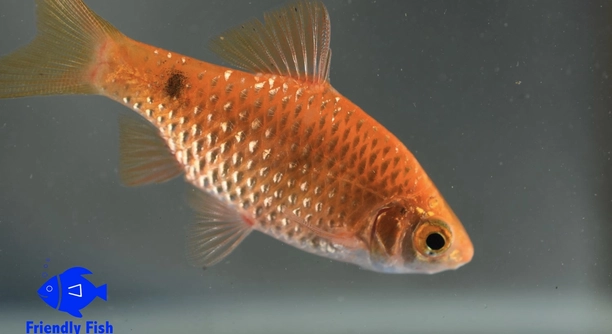
Have you ever found yourself watching your Rosy Barbs swim and wondering if they can actually move backward on purpose?
Rosy Barbs can swim backward, but it is not a purposeful or common behavior. Like most fish, their anatomy favors forward motion, and backward swimming typically occurs only when startled or navigating tight spaces.
Though the movement might seem intentional, it often reflects their natural instincts or environment rather than deliberate control.
Why Rosy Barbs Rarely Swim Backward
Rosy Barbs, like most freshwater fish, are built for forward swimming. Their body shape, fin placement, and muscle structure are all designed to help them glide through water with minimal resistance going forward. The backward motion isn’t impossible, but it’s unnatural and inefficient. If you see them moving backward, it’s often due to water currents, sudden movements, or trying to escape a tight spot. It’s not something they do often or with any precision. You might notice a quick push backward if they’re startled or trying to shift position quickly, but it won’t last long or look controlled.
These movements may appear intentional, but they usually happen as a reflex. It’s not something they practice or rely on for navigation or play.
Rosy Barbs are more focused on exploring, chasing food, and interacting with tank mates. Their bodies simply aren’t designed for coordinated backward swimming like some specialized fish.
What This Means for Your Tank
There’s no need to worry if your Rosy Barb backs up once in a while. It’s usually harmless and short-lived.
If you notice frequent backward motion, check for strong water currents or cramped decorations that might be affecting their swimming. They may be reacting to something unexpected in their space. Rosy Barbs are generally confident and active swimmers, so consistent backward movement could point to a stressor. Try observing what’s happening right before they move that way—whether it’s another fish darting past or something bumping them. Ensuring enough open space in the tank and smooth water flow helps maintain their natural movement patterns. While backward swimming isn’t dangerous in small bursts, it’s not how they prefer to move, so keeping the environment calm and open supports their comfort. Always keep an eye out for patterns and adjust tank conditions if needed.
How Fish Anatomy Affects Movement
Fish anatomy plays a big role in how they swim. Most fish, including Rosy Barbs, have muscles and fins arranged for efficient forward motion, not backward control. Their bodies naturally resist reverse swimming.
Rosy Barbs rely heavily on their caudal fin (tail) and body muscles to generate forward thrust. Their pectoral fins can help with fine-tuned movement and slight backward shifts, but they don’t offer full control in reverse. In contrast, fish like knifefish or eels that can swim backward more smoothly have elongated bodies and different fin structures that allow for more precise, bidirectional movement. Rosy Barbs are quick and agile but limited in their ability to backpedal effectively. This means when they do swim backward, it’s not stable or sustained. It usually looks jerky and brief. Their anatomy is simply not built for it, so they only do it when reacting to sudden changes in their surroundings.
The way their bodies are built reflects their natural behavior. In the wild, Rosy Barbs need to move quickly through plants, around rocks, and chase food. They rely on fast, forward movement to thrive in their environment. That’s why their muscle strength and fins are all angled for speed and direction going forward. Backward motion just doesn’t fit their natural swimming style.
Tank Setup That Supports Natural Swimming
A tank with wide open space helps Rosy Barbs move more freely. Avoid overcrowding and limit sharp objects or tight corners that may cause them to back up unexpectedly.
Choose long tanks over tall ones to allow for horizontal swimming. Plants should be soft and arranged around the edges, not packed into the center. Strong filters can create uneven water flow, which might force them into uncomfortable swimming patterns, including awkward backward movements. Try using a filter with adjustable flow, especially if your tank is smaller. Avoid placing decorations too close together where Rosy Barbs could feel trapped. These fish are active and social, so giving them room to glide forward naturally is important. If they’re constantly bumping into things or reversing out of tight areas, the tank may need a rearrangement. Watching how they move can guide your setup—comfort shows in smooth, forward motion. When your Rosy Barbs are swimming with ease, you’ll know their space feels right.
Signs of Stress or Discomfort
Frequent backward swimming can be a sign that your Rosy Barb feels uncomfortable. It may happen if the tank is too crowded, if water flow is too strong, or if something keeps startling them unexpectedly.
Look for other signs like hiding, sudden darting, or loss of appetite. These behaviors often appear together when fish feel stressed.
Observing Their Movement Patterns
Watching how your Rosy Barbs move can tell you a lot about their comfort. Normal behavior includes steady, forward swimming with bursts of energy when chasing food or exploring. If you notice repeated backward movements, especially near filters, decorations, or other fish, it may mean they’re reacting to discomfort or pressure. Keep the lighting soft, the tank peaceful, and make sure all fish get along well. Avoid overfeeding, which can cause bloating and affect balance. Small changes in layout, flow, or tank mates can make a big difference. Observing them closely each day helps you catch anything unusual early and keep their environment stable.
When to Take Action
If the backward swimming becomes constant or is paired with other issues, check water parameters and observe for illness or aggression.
FAQ
Can Rosy Barbs swim backward on purpose?
Rosy Barbs can swim backward, but it is usually not intentional. Their body structure favors forward movement, so backward swimming happens mostly by accident or when they are startled. It’s a brief and unsteady action, not a common behavior they control consciously.
Why do Rosy Barbs sometimes move backward in the tank?
They might move backward if they feel trapped or need to adjust their position quickly. Strong water currents or tight spaces can cause them to back up. This is more of a reflex than purposeful swimming.
Is backward swimming harmful to Rosy Barbs?
Occasional backward movement isn’t harmful. However, frequent or prolonged backward swimming can indicate stress, poor tank conditions, or health issues. It’s important to observe if this behavior comes with other signs of discomfort.
How can I reduce unwanted backward swimming in my Rosy Barbs?
Ensure the tank has enough open space with gentle water flow. Avoid overcrowding and remove sharp or tight decorations. A calm and roomy environment helps Rosy Barbs swim naturally without needing to back up.
Do other fish swim backward more often than Rosy Barbs?
Yes. Some species, like knifefish or eels, are built for backward swimming with specialized fins and flexible bodies. Rosy Barbs are not among these; their design supports mostly forward movement.
Can stress cause backward swimming in Rosy Barbs?
Stress can cause unusual behaviors, including backward swimming. Stressors might be aggressive tank mates, poor water quality, or sudden disturbances. Identifying and reducing these stressors will help your fish feel more comfortable.
Should I be concerned if my Rosy Barb frequently swims backward?
Frequent backward swimming warrants attention. It may signal environmental problems or health concerns. Checking water quality, tank setup, and fish health will help identify the cause and improve their wellbeing.
Does tank size affect how Rosy Barbs swim?
Yes, tank size matters. Smaller, cramped tanks can make swimming harder, leading to awkward movements like backward swimming. A larger tank with open areas allows them to swim more freely and naturally.
Can Rosy Barbs swim backward to avoid predators?
While Rosy Barbs may dart backward briefly when startled, they don’t use backward swimming as a main escape tactic. They rely more on quick forward bursts and schooling behavior to avoid threats.
What role do Rosy Barbs’ fins play in their swimming?
Their tail fin provides forward propulsion, while their pectoral fins help with maneuvering. These fins are not designed for controlled backward swimming, which is why their backward movements are usually unsteady and short-lived.
Is backward swimming linked to any health problems in Rosy Barbs?
Sometimes. If backward swimming is paired with other symptoms like lethargy, loss of appetite, or unusual coloration, it could indicate illness. Consulting a vet or aquatic specialist is advisable in such cases.
How can I create a better environment for Rosy Barbs to swim naturally?
Provide a tank with enough space, gentle water flow, and minimal obstacles. Regular maintenance keeps water quality high. Grouping them with compatible tank mates reduces stress and encourages normal swimming behavior.
Do Rosy Barbs use backward swimming for social interaction?
No, backward swimming isn’t part of their social behavior. They communicate through body language and movement patterns primarily involving forward swimming and positioning.
Can changes in lighting affect Rosy Barbs’ swimming patterns?
Lighting can influence fish activity. Too bright or fluctuating lights might cause stress or confusion, leading to unusual movements like backward swimming. Soft, consistent lighting helps maintain calm behavior.
Are young Rosy Barbs more likely to swim backward?
Young fish might display more erratic movements as they learn to navigate. However, purposeful backward swimming remains rare at all life stages. Most backward movements are reflexive, regardless of age.
Rosy Barbs are active and lively fish that mostly swim forward. Their bodies and fins are designed to help them move easily through the water in one direction. While they can move backward, this happens rarely and without much control. It is usually a quick, accidental movement when they are startled or trying to get out of a tight space. Backward swimming is not a common or natural behavior for Rosy Barbs. Understanding this helps explain what you might see when watching your fish in the tank.
It is important to pay attention to the tank environment to support the natural swimming habits of Rosy Barbs. A spacious tank with gentle water flow and few obstacles will help your fish swim comfortably and reduce unusual movements like swimming backward. Overcrowding or strong currents may cause your fish to feel stressed or trapped, leading to more backward swimming or other signs of discomfort. Regular maintenance of the tank, including checking water quality and adjusting the layout, can make a big difference in how your Rosy Barbs behave.
If you notice that backward swimming happens often or is combined with other unusual behaviors, it may be a signal to look more closely at your fish’s health and tank conditions. Stress, illness, or poor water quality can affect their movement and overall wellbeing. By observing their behavior carefully and making small changes when needed, you can help keep your Rosy Barbs healthy and happy. Providing the right environment and care will encourage your fish to swim naturally, showing off the lively, forward motion they are meant for.

Hello,
If you enjoy the content that we create, please consider saying a "Thank You!" by leaving a tip.
Every little bit helps us continue crafting quality advice that supports the health, happiness, and well-being of pets around the world, for pets of all shapes, sizes, and species.
We really appreciate the kindness and support that you show us!