
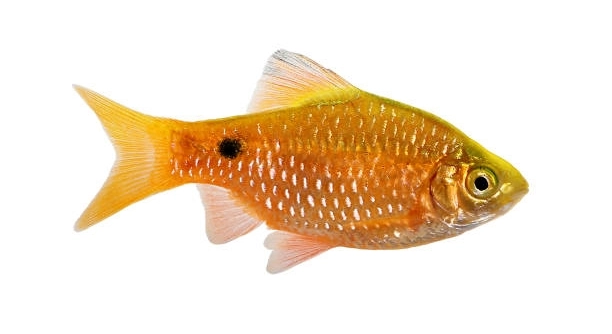
Rosy Barbs are popular freshwater fish known for their bright colors and active nature. Many aquarium owners enjoy keeping them together in community tanks. Understanding how they behave during feeding can help create a peaceful environment.
Rosy Barbs can share food peacefully if their tank is spacious and well-maintained. Proper feeding routines and enough hiding spots reduce aggression, allowing most fish to eat without conflict. Overcrowding and competition for food increase the chance of disputes.
Knowing how to manage feeding and tank conditions ensures a calm atmosphere for your Rosy Barbs. This knowledge helps maintain harmony and promotes their overall health and happiness.
Feeding Behavior of Rosy Barbs
Rosy Barbs are generally peaceful fish, but their behavior around food can change depending on several factors. When they see food, they tend to become more active and competitive. If the tank is crowded or food is scarce, some Rosy Barbs may show chasing or nipping behaviors to secure their share. However, if they are well-fed and the tank offers enough space, they usually eat calmly without much fuss. It’s important to provide a varied diet, including flakes, pellets, and occasional live or frozen foods, to keep them satisfied. Feeding smaller amounts several times a day rather than one large feeding can reduce competition. Also, placing food in different areas of the tank helps all fish access it without crowding. Watching your Rosy Barbs during feeding can give clues about any aggression or stress, so you can adjust feeding routines or tank setup if needed.
Providing enough food and space helps reduce conflict during feeding times.
Understanding feeding behavior helps keep Rosy Barbs peaceful and healthy, improving the overall tank environment.
Tips to Promote Peaceful Feeding
Keeping the tank clean is vital for peaceful feeding. Uneaten food and waste can cause stress and health issues.
To encourage peaceful feeding, maintain a spacious tank with hiding spots like plants or decorations. These areas help shy or less dominant fish avoid aggressive ones during feeding. Avoid overcrowding by following recommended fish limits for your tank size. Consistent feeding times and balanced portions help prevent sudden hunger-driven fights. Introducing slow-moving or bottom-feeding fish alongside Rosy Barbs can also reduce competition at the surface, as different species often eat in different tank areas. Observing how your fish interact during meals allows you to spot early signs of aggression or stress. Making small changes like adjusting food type or quantity often improves harmony. Taking these steps creates a calmer, more balanced environment where Rosy Barbs can thrive together peacefully.
Managing Aggression During Feeding
Aggression among Rosy Barbs during feeding is often due to limited space or competition. Keeping enough room and food can reduce tension quickly.
When fish feel crowded, they may chase or nip each other to get food first. Providing multiple feeding spots and spreading food out helps prevent fights. It’s also useful to feed small amounts several times a day, rather than one big meal. This way, less dominant fish get a chance to eat without being pushed away. Watching your fish closely during feeding helps catch early signs of stress or aggression. If needed, rearranging decorations or adding plants can break lines of sight and calm the fish.
Introducing tank mates with different feeding habits can also ease competition. For example, bottom dwellers eat leftover food, reducing surface food fights. These steps help manage aggression and keep the tank peaceful during mealtime.
Tank Setup for Peaceful Feeding
Providing enough hiding spots and open swimming space is essential for Rosy Barbs to feed calmly. Plants, rocks, and decorations offer safe places to retreat.
A tank that is too small increases stress and competition during feeding. Rosy Barbs need at least 20 gallons for a small group, with more space for additional fish. Proper filtration keeps water clean, which also helps reduce stress. It’s important to arrange decorations so fish don’t feel trapped or exposed. Open areas allow easy access to food without crowding. Regular tank maintenance ensures good water quality, which supports fish health and peaceful behavior. Combining a spacious layout with plenty of cover creates an environment where Rosy Barbs can feed without constant stress or fighting.
Signs of Food-Related Stress
Food-related stress in Rosy Barbs often shows as chasing or nipping during feeding times. Some fish may hide more than usual.
If fish lose color or stop eating, it could indicate stress from competition. Early attention to these signs helps prevent serious issues.
Feeding Frequency and Quantity
Feeding Rosy Barbs small amounts two to three times a day works best. Overfeeding can cause leftover food, leading to poor water quality and stress. Underfeeding increases competition and aggression. Balanced feeding routines help maintain harmony and keep the fish healthy. Adjust portions based on the number of fish and their size, ensuring everyone gets enough without excess waste.
Using Feeding Tools
Feeding tools like sinking pellets or feeding rings can help control where and how food is distributed. These tools reduce food competition and waste, supporting a calmer feeding environment.
FAQ
Can Rosy Barbs eat with other fish without fighting?
Yes, Rosy Barbs can share a tank and eat peacefully with other non-aggressive fish. It’s important to choose tank mates with similar temperaments and feeding habits. Avoid overcrowding and provide enough food for everyone to reduce competition. Adding bottom feeders or slower eaters can help balance feeding dynamics.
How often should I feed my Rosy Barbs?
Feeding them two to three times daily with small portions is ideal. This prevents leftover food that can pollute the water and reduces hunger-driven aggression. It also allows weaker or shy fish to eat without being pushed away. Watch how much they consume and adjust amounts accordingly.
What types of food are best for Rosy Barbs?
Rosy Barbs thrive on a varied diet. Flakes and pellets designed for tropical fish form the base. Supplement with live or frozen foods like brine shrimp or bloodworms occasionally. Fresh vegetables like blanched spinach or peas can also be offered. A balanced diet supports their health and reduces food-related stress.
Why do Rosy Barbs sometimes nip each other during feeding?
Nipping usually happens when fish compete for limited food or space. Overcrowding or aggressive individuals increase this behavior. Ensuring enough space, food, and hiding spots helps reduce nipping. Separating overly aggressive fish or adding distractions like plants can calm the tank.
Is it okay to feed Rosy Barbs at the bottom of the tank?
Yes, feeding sinking pellets or using feeding rings encourages food to reach lower levels. This reduces competition at the surface and helps shy or bottom-dwelling fish get their share. Feeding at different levels can also lessen aggression and balance the tank’s social environment.
How can I tell if my Rosy Barbs are stressed from feeding competition?
Signs include chasing, hiding, loss of color, or refusing to eat. Stressed fish may also show rapid breathing or unusual swimming patterns. Observing these behaviors during feeding times allows early intervention. Adjusting feeding amounts, tank layout, or adding cover usually helps.
What tank size is best for Rosy Barbs to feed peacefully?
A minimum of 20 gallons is recommended for a small group of Rosy Barbs. More space is needed as the group grows. A larger tank reduces crowding and competition. It also provides room for hiding spots and feeding zones, promoting peaceful interactions during meals.
Can feeding times affect Rosy Barbs’ behavior?
Yes, regular feeding times create routine and reduce anxiety. Inconsistent or infrequent feeding can cause aggression as fish compete when food finally appears. Feeding smaller amounts more often helps keep fish calm and satisfied. Sticking to a schedule benefits their overall well-being.
Should I separate aggressive Rosy Barbs during feeding?
If aggression is severe, separating the aggressive fish temporarily during feeding can help. Using a divider or moving the fish to a different tank prevents injury and stress. After calm is restored, you can try reintroducing them with more feeding spots or rearranged decorations to reduce conflict.
Does the type of food influence peace among Rosy Barbs?
Yes, certain foods can increase competition. Fast-moving live foods may trigger chasing, while slow-sinking pellets reduce rush and fights. Offering a mix of food types and feeding at different tank levels helps distribute feeding activity and lowers aggression overall.
Rosy Barbs are generally peaceful fish, but like many animals, they can show some competition when it comes to food. Understanding their natural behavior helps in creating a calm feeding environment. Providing enough space, hiding spots, and spreading out the food reduces chances of fighting. Regular feeding with small portions also keeps them satisfied and less likely to be aggressive. Keeping the tank clean and well-maintained supports their health, which makes peaceful sharing easier. These simple steps are effective in helping Rosy Barbs eat together calmly.
Managing feeding in a community tank involves paying attention to how fish interact during meals. Sometimes a few Rosy Barbs may become more dominant, but this can be balanced by proper tank setup and feeding habits. Offering a variety of foods, including flakes, pellets, and occasional live treats, keeps the fish interested and well-nourished. Also, choosing tank mates wisely and avoiding overcrowding reduces stress during feeding times. Observing your fish regularly gives clues about their behavior and helps in making adjustments before problems arise.
Creating a peaceful feeding environment for Rosy Barbs is not difficult but requires some care and consistency. Making sure they have enough room to swim and places to hide helps lower tension. Feeding them often, but in small amounts, reduces competition for food. Using feeding tools or spreading food around the tank further helps in reducing crowding and chasing. With attention to these details, Rosy Barbs can live happily together, sharing food without conflict and adding beauty to your aquarium.

Hello,
If you enjoy the content that we create, please consider saying a "Thank You!" by leaving a tip.
Every little bit helps us continue crafting quality advice that supports the health, happiness, and well-being of pets around the world, for pets of all shapes, sizes, and species.
We really appreciate the kindness and support that you show us!