
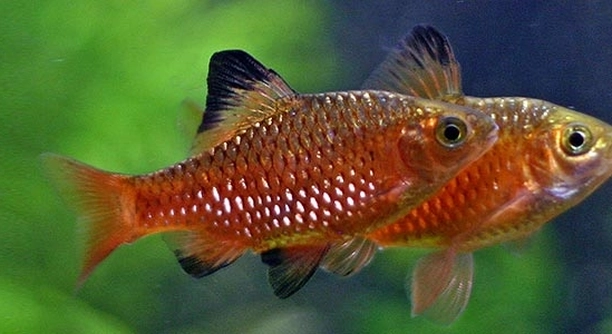
Rosy barbs and loaches are popular choices for freshwater aquariums. Many aquarists consider keeping them together to create a lively tank environment. Understanding how these fish interact helps maintain a peaceful and healthy community.
Rosy barbs and loaches can share a tank successfully if their environmental needs and temperaments are carefully matched. Both species prefer similar water conditions and peaceful companions, but attention to tank size and hiding spaces is essential to reduce stress and aggression.
Learning how to balance their needs will help ensure a calm and thriving aquarium community. This article will guide you through key points for keeping rosy barbs and loaches together safely.
Tank Environment for Rosy Barbs and Loaches
Creating a suitable tank environment is important for keeping rosy barbs and loaches together. Both fish enjoy moderately warm water, with temperatures ranging between 74°F and 78°F. The water should be well-oxygenated and clean, so a good filtration system is necessary. Loaches appreciate hiding places like caves, plants, or driftwood because they can be shy and like to feel secure. Rosy barbs are more active swimmers and need open space to move freely. A tank size of at least 30 gallons is recommended to give both species enough room to thrive without feeling crowded. Soft to moderately hard water with a pH between 6.5 and 7.5 suits both species well. Lighting should be moderate to mimic natural conditions, helping the fish feel comfortable and reducing stress.
Proper tank setup prevents conflicts and helps maintain a peaceful atmosphere.
Balancing open swimming space with plenty of hiding spots is key. Loaches benefit from darker, covered areas, while rosy barbs need room to dart around. Adding live plants and smooth decorations can improve the environment. Avoid sharp edges that might injure either fish. Regular water changes keep the tank healthy. Paying attention to these details helps both species coexist comfortably over time.
Behavior and Compatibility
Rosy barbs are semi-aggressive, while loaches are peaceful but active bottom dwellers.
Understanding their behavior helps reduce conflicts. Rosy barbs tend to swim in groups and can sometimes nip fins, so keeping at least six barbs helps spread aggression. Loaches prefer to stay in groups of three or more and explore the tank bottom. Their different swimming levels reduce direct competition. However, both species benefit from a well-planned tank that prevents stress and overcrowding. Watching their behavior closely during the first few weeks is important to catch any signs of trouble early. With proper care, they can live together harmoniously.
Feeding Needs
Rosy barbs and loaches have different diets but can share similar foods. Both enjoy a varied diet that includes flakes, pellets, and live or frozen foods.
Rosy barbs are omnivores and eat flake food, small insects, and plant matter. They appreciate variety to stay healthy and colorful. Loaches are bottom feeders and enjoy sinking pellets, bloodworms, and small invertebrates. Their diet helps keep the tank clean by eating leftover food. Feeding them separately or at different tank levels can ensure both species get enough food without competition. Overfeeding should be avoided to maintain water quality.
Regularly providing balanced nutrition supports their growth and health. Loaches especially benefit from occasional live or frozen foods for protein. Supplementing with vegetables like blanched zucchini can also help both species. Careful feeding reduces stress and encourages natural behavior, contributing to a peaceful tank community.
Monitoring Health and Stress
Signs of stress or illness in rosy barbs and loaches are important to catch early. Watch for changes in behavior, color, or appetite.
Stress can show as hiding, loss of color, or reduced activity. Aggression from fin-nipping by rosy barbs may cause injuries, while loaches might become more reclusive. Maintaining water quality is critical to prevent common diseases like ich or fungal infections. Quarantining new fish before adding them to the tank reduces risks. Observing interactions daily helps identify any problems quickly. Prompt response to health issues supports long-term well-being and harmony in the tank.
Tank Mates to Avoid
Some fish do not mix well with rosy barbs and loaches. Avoid overly aggressive or very small species.
Large aggressive fish can stress both species, while tiny fish may become targets for fin-nipping. Choose peaceful, medium-sized tank mates to maintain balance.
Ideal Tank Mates
Good companions include danios, tetras, and gouramis. These fish share similar water requirements and temperaments.
They add variety without causing stress or competition. Avoid overcrowding to keep the environment healthy for all species.
Maintaining Water Quality
Regular water changes and good filtration keep the tank healthy. Aim for 20-30% water changes weekly to remove waste and toxins.
Clean water supports fish health and reduces stress, making it easier for rosy barbs and loaches to thrive together.
FAQ
Can rosy barbs and loaches live in the same tank long term?
Yes, they can live together long term if the tank is properly sized and set up. Both species need enough space, hiding spots, and good water conditions. Monitoring their behavior helps prevent stress and aggression. Keeping them in groups also improves their comfort.
How many rosy barbs and loaches should I keep together?
It’s best to keep at least six rosy barbs and three or more loaches. Rosy barbs are schooling fish and feel safer in groups, which reduces fin-nipping. Loaches also prefer company and do better in groups, which lowers stress and encourages natural behaviors.
What water conditions do rosy barbs and loaches need?
Both prefer temperatures between 74°F and 78°F with a pH of 6.5 to 7.5. Soft to moderately hard water works well. Consistent water quality with good filtration and regular water changes is important to keep both species healthy.
Do rosy barbs nip at loaches?
Rosy barbs can nip fins, but this usually happens if they are stressed or kept in too small a group. Providing enough space, hiding places, and keeping them in a larger group helps reduce this behavior. Loaches are bottom dwellers and usually avoid direct contact with barbs.
What should I feed rosy barbs and loaches?
Feed rosy barbs flake food, pellets, and occasional live or frozen foods. Loaches enjoy sinking pellets, bloodworms, and small invertebrates. Adding some vegetables like blanched zucchini can benefit both. Feeding at different tank levels ensures everyone gets enough food.
Can I keep other fish with rosy barbs and loaches?
Yes, peaceful medium-sized fish like danios, tetras, and gouramis work well. Avoid overly aggressive fish or very small fish that might be bullied. Choose tank mates with similar water requirements to keep the community stable.
How often should I clean the tank?
Regular maintenance is key. Perform 20-30% water changes weekly to remove waste and keep water clean. Clean the filter as needed but avoid over-cleaning to preserve beneficial bacteria. Good water quality reduces stress and disease risks.
What signs show my fish are stressed?
Look for hiding, loss of color, slow movement, or loss of appetite. Fin damage or aggressive chasing are warning signs. Early detection allows quick action to improve tank conditions and reduce stress.
Are rosy barbs and loaches good for beginners?
Both are fairly hardy and can be good choices for beginner aquarists with some experience. They require regular care and attention to water quality and tank conditions. Learning about their needs helps create a successful community tank.
How big should the tank be for rosy barbs and loaches?
A minimum of 30 gallons is recommended to provide enough space. Larger tanks are better to reduce aggression and give room for hiding spots. More space also allows the fish to swim freely and stay healthy.
Final Thoughts
Keeping rosy barbs and loaches together in the same tank can work well when the right conditions are met. Both fish have compatible water needs, but they differ in behavior and space preferences. Rosy barbs are active swimmers who enjoy open areas, while loaches prefer hiding spots and staying near the tank bottom. Providing a balanced environment that meets both species’ needs helps reduce stress and prevents conflicts. A well-planned tank setup, including enough room, clean water, and proper decorations, creates a peaceful home for these fish.
It is important to watch how the fish behave once they are introduced to the tank. Rosy barbs can sometimes nip fins, especially if they feel crowded or stressed. Keeping them in groups of six or more helps spread any aggressive behavior. Loaches do best in small groups and need places to hide to feel safe. Feeding both species with a varied diet that suits their habits also keeps them healthy and calm. Feeding at different levels of the tank reduces competition for food and helps everyone get their share.
Maintaining good water quality is another key factor. Regular water changes and a strong filtration system help keep the tank clean and healthy. Healthy water reduces the risk of disease and stress for both rosy barbs and loaches. Choosing peaceful tank mates and avoiding overcrowding also support a calm environment. Overall, with proper care and attention to their needs, rosy barbs and loaches can share a tank happily. This combination offers an interesting and active community for anyone willing to provide the right setup and care.

Hello,
If you enjoy the content that we create, please consider saying a "Thank You!" by leaving a tip.
Every little bit helps us continue crafting quality advice that supports the health, happiness, and well-being of pets around the world, for pets of all shapes, sizes, and species.
We really appreciate the kindness and support that you show us!