
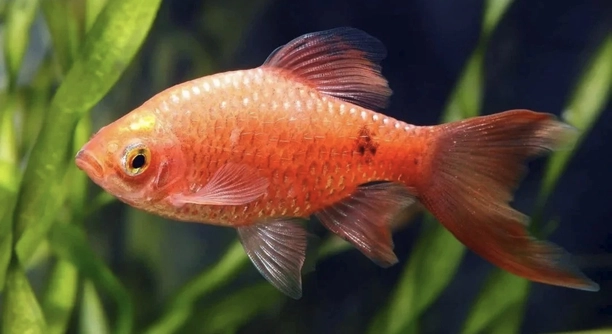
Rosy barbs are popular freshwater fish often kept in community tanks. Many fishkeepers enjoy watching their lively behavior and colorful appearance. Observing how these fish interact with their tankmates can be quite interesting.
Rosy barbs can sense conflicts among their tankmates through changes in behavior and stress signals. They respond by adjusting their own actions to avoid trouble, which helps maintain harmony within the aquarium environment.
Knowing how rosy barbs react to conflicts can help you create a calmer and healthier tank for all your fish companions.
How Rosy Barbs Detect Stress in Tankmates
Rosy barbs have keen senses that help them notice when other fish are stressed or upset. They watch changes in swimming patterns, sudden darting movements, or hiding behaviors. These signs tell the rosy barbs that something is wrong in the tank. When they sense tension, rosy barbs may become more cautious or swim away from trouble. This ability helps reduce aggressive encounters. Their sensitive lateral line system detects vibrations and water movement, allowing them to pick up on disturbances caused by fighting or chasing. By reacting early, they protect themselves from injury. Observing these behaviors can also help fishkeepers identify when a tankmate is uncomfortable or unhappy, giving a chance to address the problem before it escalates.
Their response to stress helps maintain balance in the aquarium, making it a safer place for all fish.
When rosy barbs notice conflict, they adjust their behavior, often by becoming more reserved or swimming in groups for safety. This natural reaction helps calm the tank atmosphere.
Signs of Conflict Among Tankmates
Signs of tension include chasing, nipping, and hiding. These behaviors show when fish don’t get along well.
Aggressive behavior in community tanks can cause serious problems. Fish that chase or nip at others create stress, which affects the whole group. When one fish is aggressive, others may hide or become lethargic. This weakens their immune systems, making them more vulnerable to disease. Rosy barbs are usually peaceful but will react to aggression around them. Watching for early signs like rapid swimming or sudden changes in appetite can help. Separating aggressive fish or providing more hiding spots can reduce conflict. Maintaining proper tank size and environment also lowers stress levels. Understanding fish behavior ensures all tankmates live comfortably. It’s important to keep a close eye on interactions to prevent long-term issues and keep the community peaceful.
How to Help Rosy Barbs Cope with Tankmate Conflicts
Providing plenty of hiding spots helps rosy barbs feel safe when tension rises. Plants, rocks, and decorations create spaces to retreat and avoid stress.
When rosy barbs have places to hide, they experience less anxiety during conflicts. Safe zones reduce their need to flee constantly, which can improve their overall health. Creating a natural environment with plants and caves mimics their natural habitat, offering comfort and security. If aggression occurs, shy fish can escape and rest without being chased. This also prevents injuries from constant chasing or nipping. Changing the tank layout occasionally keeps the environment stimulating and helps break up territorial behavior among aggressive fish. Ensuring peaceful neighbors and avoiding overcrowding further helps maintain calm interactions.
Regularly observing the tank lets you adjust hiding spots or rearrange decorations if conflicts increase. This makes the tank a better home for all fish.
The Role of Social Behavior in Rosy Barbs’ Conflict Awareness
Rosy barbs are social fish that rely on group behavior to stay safe. They watch each other closely to detect danger or tension.
Their social nature means rosy barbs often swim in schools, which provides protection from threats and helps detect conflicts early. When one fish senses danger or stress, the whole group becomes alert and changes behavior accordingly. This group dynamic helps reduce individual stress and promotes peaceful coexistence. If a tankmate shows aggression, rosy barbs may band together to avoid it or try to calm the situation through body language. Understanding these social behaviors helps fishkeepers create environments that encourage positive interactions. A well-balanced group reduces stress and supports natural communication among tankmates. Social bonds also make rosy barbs more responsive to changes in their surroundings, helping them avoid conflicts before they escalate.
Monitoring Rosy Barbs’ Behavior for Conflict Signs
Watching rosy barbs closely can reveal early signs of tankmate conflict. Changes in swimming or sudden hiding are key indicators.
Noticing these subtle changes helps prevent bigger problems. Early detection allows timely adjustments to the tank environment, promoting peace.
Adjusting Tank Conditions to Reduce Stress
Water quality and temperature greatly affect fish behavior. Keeping stable conditions helps lower stress and conflict among tankmates.
Maintaining clean water with proper filtration reduces aggression. Sudden changes in temperature or poor water quality can increase irritability. Regular testing and water changes ensure a healthy environment. Balanced lighting and avoiding overcrowding also contribute to calmer interactions. Adjusting these factors supports the well-being of rosy barbs and their companions.
Feeding and Conflict Prevention
Feeding fish properly reduces food-related fights. Offering enough food and multiple feeding spots keeps peace in the tank.
FAQ
Can rosy barbs really tell when their tankmates are stressed?
Yes, rosy barbs are quite sensitive to changes in their environment. They pick up on subtle cues like erratic swimming, hiding, or sudden aggression from other fish. These signs alert them to stress or conflict nearby, and they adjust their behavior to stay safe. Their ability to sense vibrations in the water helps them detect disturbances caused by fighting or chasing. This means they don’t just react randomly; they are responding to real changes that affect the tank’s mood.
What should I do if I notice my rosy barbs avoiding certain fish?
If your rosy barbs start avoiding some tankmates, it usually means those fish are causing stress or aggression. Try adding more hiding spots or rearranging decorations to break up territories. You might also consider separating aggressive fish temporarily to reduce tension. Sometimes, adding more peaceful tankmates can balance the group. Keep an eye on water quality and tank size as well, because overcrowding often leads to these problems. Acting early helps keep everyone calmer and healthier.
How can I reduce conflict in a mixed fish tank with rosy barbs?
Start by choosing peaceful species that get along well with rosy barbs. Provide plenty of plants and hiding places to reduce stress. Feed regularly and evenly to avoid competition over food. Keep the tank clean and maintain stable water conditions. Avoid overcrowding because it increases aggression. Observing fish behavior daily helps spot early signs of conflict. If fights break out, consider separating the aggressor or adjusting the tank setup. These steps create a more peaceful environment for all fish.
Do rosy barbs ever become aggressive themselves?
Rosy barbs are generally peaceful but can show aggression if stressed or overcrowded. They might chase or nip smaller, slower fish during these times. Providing enough space and hiding spots helps prevent this behavior. If aggression continues, it may be necessary to separate the aggressive fish or reduce tank population. Stress from poor water conditions or improper feeding can also trigger aggression. Keeping the tank balanced and healthy is key to minimizing aggressive episodes.
Can tank size affect how rosy barbs handle conflicts?
Absolutely. Smaller tanks increase stress and aggression because fish have less room to escape conflicts. Rosy barbs need space to swim freely and avoid aggressive tankmates. A larger tank with well-planned decorations and plants allows fish to establish territories and retreat when needed. This reduces fights and stress. Experts recommend at least a 30-gallon tank for a small group of rosy barbs. Providing enough room helps maintain peaceful interactions and keeps the fish healthy.
How do I know if my rosy barbs are stressed from conflicts?
Signs of stress include hiding more often, losing appetite, erratic swimming, or faded colors. They may also become less active or separate themselves from the group. Sometimes, stressed fish display rapid gill movement or scratch against surfaces. Watching your rosy barbs daily helps catch these symptoms early. Stress weakens their immune system, making them prone to disease. Addressing conflicts and improving tank conditions quickly is essential to restore their health and happiness.
Is it normal for rosy barbs to school together more during conflicts?
Yes, schooling is a natural defense mechanism. When there is tension or aggression, rosy barbs often group tightly for safety. This behavior makes it harder for aggressive fish to target a single individual. Schooling also helps calm stressed fish by providing a sense of security. Encouraging schooling by keeping at least six rosy barbs together promotes this protective behavior. It benefits the whole group by reducing individual stress and preventing escalation of fights.
What role does feeding play in preventing tankmate conflicts?
Feeding plays a big role in keeping peace. If food is scarce or only given in one spot, fish compete aggressively. Offering enough food and spreading it out reduces competition. Feeding multiple times a day in small amounts helps keep all fish satisfied. Using sinking and floating foods can also accommodate different species’ feeding habits. Well-fed fish are less likely to nip or chase each other. Proper feeding routines contribute significantly to a calm tank environment.
Should I separate aggressive fish immediately?
Separation is sometimes necessary if aggression causes injury or severe stress. However, try adjusting tank conditions first, such as adding hiding places or rearranging decorations. If aggression persists or worsens, isolating the aggressive fish helps protect others. Observe their behavior closely to decide the best timing. Quick action prevents injuries and keeps the tank peaceful. After separation, reintroduce fish gradually while monitoring interactions carefully.
Can changing tank decorations reduce conflict among rosy barbs?
Yes, rearranging tank decorations can disrupt established territories and reduce aggression. It breaks up dominant areas that some fish may guard aggressively. Adding plants and caves creates more hiding spots and safe spaces. Changing the layout also stimulates fish mentally, reducing boredom and stress. Regular updates to the environment help maintain a balanced community by preventing long-term territorial disputes. Simple changes often improve the overall mood of the tank quickly.
Rosy barbs are lively fish that react to the behavior of their tankmates. They can sense when other fish are stressed or when conflicts arise. This ability helps them avoid danger and stay safe in a community tank. Watching their reactions can give you clues about what is happening in your aquarium. By understanding how rosy barbs respond to conflict, you can better manage your tank and create a peaceful environment for all your fish. Their natural instincts to sense trouble and adjust their behavior are important for keeping harmony in the tank.
Creating a calm and healthy aquarium involves paying attention to the needs of rosy barbs and their companions. Providing plenty of hiding spots, maintaining good water quality, and choosing compatible tankmates are key steps. Overcrowding or poor water conditions often increase aggression and stress among fish. By watching for signs of tension early, such as changes in swimming or hiding, you can act quickly to reduce conflict. Simple actions like rearranging decorations or adding plants can help break up aggressive behavior and give fish places to escape. Feeding fish properly and evenly also reduces competition and keeps the tank peaceful.
Taking care of rosy barbs means being observant and responsive to their behavior and environment. Their ability to sense tankmate conflicts is a natural way they protect themselves, but it also serves as a signal for fishkeepers to monitor the tank closely. When you create a balanced and comfortable habitat, your rosy barbs will thrive alongside their tankmates. This not only benefits their health but also makes your aquarium more enjoyable to watch. Paying attention to their subtle cues and making small changes can make a big difference in maintaining a happy, peaceful fish community.

Hello,
If you enjoy the content that we create, please consider saying a "Thank You!" by leaving a tip.
Every little bit helps us continue crafting quality advice that supports the health, happiness, and well-being of pets around the world, for pets of all shapes, sizes, and species.
We really appreciate the kindness and support that you show us!