
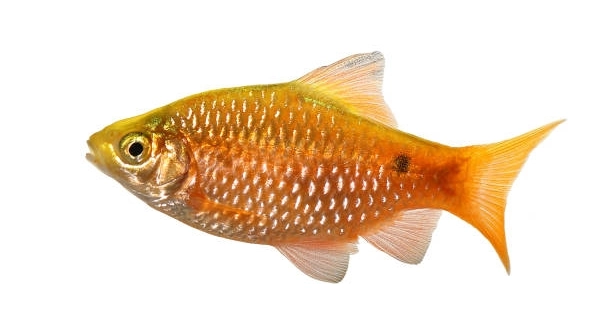
Rosy Barbs are popular aquarium fish known for their active and social behavior. Many keepers enjoy watching how these fish interact with each other in a shared tank. Their response to changes in their environment can be quite noticeable.
Rosy Barbs can sense when tank mates are missing through changes in water chemistry and altered social cues. These fish rely on both chemical signals and group dynamics to recognize the presence or absence of companions. This ability helps maintain their social structure and reduces stress.
Understanding how Rosy Barbs react to missing tank mates can improve the care you provide. Learning about their social needs will help create a healthier and more balanced aquarium environment.
How Rosy Barbs Detect Missing Tank Mates
Rosy Barbs use their senses to notice when other fish are no longer around. They are sensitive to changes in the water caused by missing companions, such as shifts in chemical signals. When a fish leaves or is removed, these changes disrupt the normal balance. The social behavior of Rosy Barbs also changes. They tend to swim less actively or look for their missing tank mates. Sometimes, they become more cautious or hide. This response helps them adapt to a new group size. It is a natural way for them to manage stress. Fish that rely on groups often have ways to detect changes to protect themselves. Their reactions show how important social bonds are for them. Knowing this helps aquarium owners understand why changes in tank mates can affect Rosy Barbs’ behavior and well-being.
Rosy Barbs are sensitive to both chemical and social cues in their environment, making them aware when companions are missing.
These fish rely on a balance of signals from the water and the presence of others to feel secure. When a member is gone, the change in water chemistry is subtle but enough to alert them. At the same time, they notice the absence in movement and interaction. This combination of cues keeps Rosy Barbs in tune with their surroundings. It helps them respond quickly to potential threats or changes. Owners should observe these behaviors to ensure the fish remain comfortable and stress-free.
The Impact of Missing Tank Mates on Rosy Barb Behavior
When a Rosy Barb loses a tank mate, its behavior can shift noticeably. These fish are naturally social and enjoy swimming in groups. Without enough companions, they may become shy or less active. Some may stop eating as much or show signs of stress, like hiding more often. This can affect their health over time. Tank mates provide stimulation and safety through numbers. Losing these companions removes that sense of security. In some cases, the fish may become aggressive toward others to fill the social gap. This change can create tension in the tank. It’s important to replace missing fish quickly to maintain the group’s balance. Keeping Rosy Barbs in a healthy social environment supports their natural instincts and keeps them happier.
Missing tank mates can lead to stress and changes in social behavior, impacting Rosy Barbs’ health and activity.
By understanding these effects, aquarium owners can prevent long-term problems. Maintaining a proper group size helps Rosy Barbs thrive, reducing the risk of illness and improving their quality of life.
Signs That Rosy Barbs Notice Missing Tank Mates
Rosy Barbs often show clear signs when their tank mates are missing. They may become less active or seem restless, swimming around as if searching. Some might hide more, showing discomfort with the change in their group.
When one or more tank mates disappear, Rosy Barbs’ behavior changes quickly. They swim in tighter groups or stick closer to the corners of the tank. This behavior signals that they feel less secure without their usual companions. They may also lose interest in food, which can be a sign of stress. Observing these changes helps owners identify when fish are unsettled.
The social nature of Rosy Barbs means they depend on interaction with others. Their movements slow down or become more cautious without familiar fish nearby. Some may become aggressive, testing boundaries with remaining tank mates. These signs are important clues for aquarists to maintain a balanced and stable environment for their fish.
How to Help Rosy Barbs Cope with Missing Tank Mates
Adding new tank mates gradually is key to helping Rosy Barbs adjust. Sudden changes can cause more stress, so introducing one fish at a time allows the group to settle naturally. Keeping the water clean and stable supports their health during this time.
To ease the transition, make sure the new fish have similar size and temperament. Avoid overcrowding the tank, which could increase stress and aggression. Provide hiding spots to make all fish feel safe. Watch for any signs of bullying or unusual behavior. Taking these steps helps Rosy Barbs feel comfortable again and restores their social balance. A calm environment with steady care encourages quicker recovery from the loss of companions.
The Role of Scent in Rosy Barb Recognition
Rosy Barbs use their sense of smell to recognize tank mates. Chemicals released by fish in the water help them identify who is present and who is missing.
These chemical signals are important for maintaining group cohesion. Without familiar scents, Rosy Barbs may feel unsettled and stressed.
Changes in Group Dynamics When Tank Mates Are Missing
When tank mates disappear, the social order in the group shifts. Rosy Barbs may compete more for space and food, leading to increased aggression.
This change in group behavior can create tension, making it harder for the fish to settle. Understanding this helps in managing the tank environment better.
Importance of Group Size for Rosy Barbs
Keeping Rosy Barbs in groups of five or more helps maintain their natural behavior. Smaller groups can increase stress and aggression.
A healthy group size promotes social interaction and reduces loneliness, making the fish more active and less anxious.
FAQ
Can Rosy Barbs live alone if their tank mates are missing?
Rosy Barbs are social fish and do best in groups. Living alone can cause them stress and loneliness. Without tank mates, they may become shy or inactive. Keeping at least five Rosy Barbs together helps them feel secure and encourages natural behavior.
How quickly do Rosy Barbs notice if a tank mate is gone?
Rosy Barbs are quite sensitive and can notice changes within hours or a day. Their reaction depends on how close they were to the missing fish. They pick up on changes in water chemistry and social cues, which makes them aware of the absence quickly.
What behaviors show that a Rosy Barb is stressed due to missing companions?
Signs include hiding more often, swimming less actively, and refusing food. Some may become aggressive or restless, pacing the tank. These behaviors indicate that the fish feels unsettled and needs a stable group to calm down.
Can introducing new fish help Rosy Barbs adjust after losing tank mates?
Yes, bringing in new fish can restore balance, but it should be done slowly. Introducing one fish at a time and making sure new tank mates are compatible helps reduce stress. New fish help rebuild social bonds and improve the overall mood of the tank.
Do Rosy Barbs recognize individual tank mates or just the presence of others?
Rosy Barbs mostly respond to the group as a whole, rather than identifying individuals. They rely on chemical signals and group behavior to feel safe. The absence of familiar scents and movement patterns signals that something is missing.
How does tank size affect how Rosy Barbs respond to missing companions?
In smaller tanks, the impact of losing a tank mate is stronger because fish are closer together and rely more on social interaction. Larger tanks may help reduce stress since there is more space, but group size remains important to keep them comfortable.
Are there ways to reduce stress in Rosy Barbs when tank mates go missing?
Maintaining clean water, stable temperature, and proper feeding routines helps reduce stress. Adding plants and hiding spots also creates a safer environment. Replacing missing fish promptly keeps the group intact and supports mental health.
What should I avoid when replacing missing tank mates?
Avoid adding too many fish at once or introducing aggressive species. Sudden changes in water conditions should be prevented by acclimating new fish slowly. Also, avoid overcrowding, which can increase stress and lead to fights.
How do Rosy Barbs communicate their stress or discomfort?
They show changes in swimming patterns, such as erratic movements or staying near the bottom or corners of the tank. Color may fade slightly, and appetite can drop. These signs help owners recognize that something is wrong.
Can Rosy Barbs sense stress in other fish?
Yes, they are sensitive to the mood of their group. Stress can spread through behavior and chemical signals in the water. When one fish is stressed, others may also become unsettled, making group stability even more important.
Rosy Barbs are social fish that depend a lot on their tank mates. Their behavior shows how important these companions are for their well-being. When a tank mate goes missing, Rosy Barbs can sense the change quickly through both chemical signals in the water and the lack of familiar movements around them. This awareness affects how they act, often making them less active or more cautious. Understanding this helps aquarium owners see why it’s important to keep Rosy Barbs in groups and maintain a stable tank environment.
Changes in group size or the loss of tank mates can cause stress in Rosy Barbs. Stress affects their health and behavior, making them eat less or hide more. It can even lead to aggression between the remaining fish as they try to find a new social order. This is why replacing missing fish carefully and quickly is important. Introducing new fish slowly and choosing compatible companions helps Rosy Barbs feel safe again. Providing hiding spots and keeping the water clean also reduces stress, supporting their recovery after changes in the tank.
Overall, keeping Rosy Barbs happy means paying attention to their social needs. Having a good number of fish in the tank encourages natural group behavior, which keeps stress low. Watching for changes in behavior after losing a tank mate is key to acting fast. By maintaining a calm and balanced tank environment, Rosy Barbs will thrive and show their full, lively nature. Their reactions remind us how connected fish are to each other, even in an aquarium setting.

Hello,
If you enjoy the content that we create, please consider saying a "Thank You!" by leaving a tip.
Every little bit helps us continue crafting quality advice that supports the health, happiness, and well-being of pets around the world, for pets of all shapes, sizes, and species.
We really appreciate the kindness and support that you show us!