
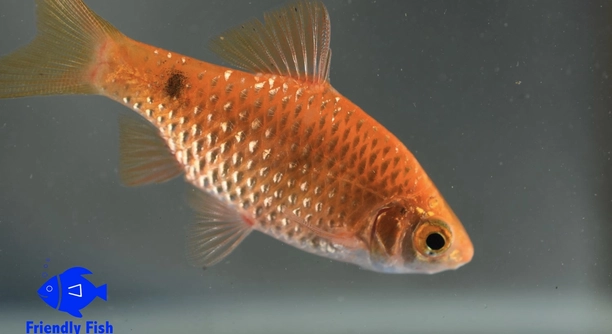
Rosy Barbs are popular freshwater fish kept in home aquariums. Many owners notice their fish often swim near glass surfaces or mirrors. These behaviors sometimes lead to questions about how Rosy Barbs react to their own reflections.
Rosy Barbs can recognize their reflection but do not understand it as themselves. They often see the reflection as another fish, which can cause curiosity or mild aggression. This behavior is common among many fish species with territorial instincts.
Learning about how Rosy Barbs respond to reflections can help owners better understand their fish’s behavior. This insight also supports creating a comfortable environment for these lively pets.
Why Rosy Barbs React to Their Reflection
Rosy Barbs are naturally social but can also be territorial. When they see their reflection, they often mistake it for another fish. This can trigger various reactions, like trying to interact or defending their space. In a tank, reflections usually come from glass walls or mirrors. Because these fish rely on visual cues, they respond quickly to movement—even if it’s their own image. Some Rosy Barbs may become curious and swim close to the reflection, while others might show signs of mild aggression, such as chasing or flaring fins. These reactions are normal and show their natural instincts. Understanding this behavior helps aquarists manage tank setups better, such as avoiding placing mirrors or bright lights where reflections are strong. It also highlights the importance of providing enough space and hiding spots to reduce stress caused by perceived rivals.
Their reaction is linked to instinctive behaviors rather than true self-recognition.
Knowing these details can help maintain a peaceful tank environment for your Rosy Barbs.
Managing Reflection Stress in Rosy Barbs
Minimizing reflections can reduce stress in your fish.
To keep Rosy Barbs comfortable, it’s important to control reflections inside the aquarium. Reflections can cause constant agitation if fish believe there are rivals nearby. To prevent this, avoid placing the tank near bright windows or strong artificial lights. Adding plants and decorations can break up reflections and create hiding spots, making fish feel safer. A darker background on the tank’s outside can also reduce mirror-like surfaces. Some owners use anti-reflective films or reposition tanks away from reflective surfaces. Monitoring fish behavior is key; if your Rosy Barbs show signs of persistent aggression or stress, these changes may help. Providing a stable environment with less visual disturbance supports healthier and calmer fish.
When reflections are managed properly, Rosy Barbs tend to display more natural, relaxed behavior.
How Reflection Affects Rosy Barbs’ Behavior
Reflections can confuse Rosy Barbs, making them think another fish is nearby.
When Rosy Barbs see their reflection, they may try to interact or defend territory. This behavior can lead to chasing or finning displays. Sometimes, the fish may become more active or even stressed. These reactions depend on the individual fish’s temperament and tank conditions. If the tank is small or crowded, the response to reflections might be stronger. It’s important to observe your fish to know if reflections cause distress or just harmless curiosity.
Reflection reactions can interfere with feeding and resting patterns. Constant agitation from seeing their reflection may tire the fish or reduce appetite. Ensuring your tank setup minimizes strong reflections helps your Rosy Barbs maintain natural behaviors. Creating a calm environment promotes healthier fish overall, reducing the risk of injury from excessive aggression.
Signs of Stress Caused by Reflection
Stress from reflections can show in different ways in Rosy Barbs.
Common signs include increased aggression, hiding more often, and loss of appetite. The fish might also display rapid gill movement or pale coloration. These signs mean the reflection is causing discomfort or anxiety. Over time, stress can weaken the immune system, making Rosy Barbs more prone to illness. It’s helpful to watch for any sudden changes in behavior or appearance. If you notice these signs, adjusting lighting, tank placement, or decoration can reduce reflections. Taking steps to limit reflection stress supports your fish’s well-being and longevity.
Preventing Reflection Stress
Covering tank sides with a background reduces reflections effectively.
Using plants and decorations inside the tank also helps break up reflections and provides hiding spots.
Using Mirrors Safely in Rosy Barb Tanks
Mirrors can be used temporarily to stimulate exercise, but should not be left in the tank for long periods. Prolonged exposure to reflections may cause stress or aggressive behavior. If using mirrors, limit the time and monitor fish reactions closely to avoid negative effects.
Reflection and Social Behavior
Reflections may confuse Rosy Barbs but do not replace real social interaction.
Can Rosy Barbs Recognize Themselves in a Mirror?
Rosy Barbs do not have the ability to recognize themselves in a mirror. What they see is another fish, not their own reflection. This means they respond with curiosity or territorial behavior rather than self-awareness. This reaction is common in many fish species that rely on visual signals for social interactions.
Why Do Rosy Barbs Sometimes Attack Their Reflection?
Attacking their reflection happens because Rosy Barbs see it as a rival. Fish like Rosy Barbs are territorial and may perceive the reflected image as a threat to their space. This behavior is a way to defend their territory or show dominance, even though there is no real opponent.
Is It Harmful for Rosy Barbs to See Their Reflection?
Seeing their reflection occasionally isn’t harmful, but constant exposure can cause stress. Stress from repeated aggressive behavior or confusion can weaken the fish’s immune system. It’s important to reduce strong reflections to avoid causing ongoing anxiety or physical harm.
How Can I Reduce Reflection Stress in My Aquarium?
To reduce reflection stress, place the tank away from bright lights and windows. Adding plants, decorations, or a dark background helps break up reflections inside the tank. You can also use aquarium-safe films on the glass to minimize mirror-like surfaces. These steps create a calmer environment for your fish.
Can Mirrors Be Used to Exercise Rosy Barbs?
Mirrors can encourage short bursts of activity by simulating another fish’s presence. However, this should be done sparingly. Prolonged mirror exposure can lead to stress or aggressive behavior, so limit the time mirrors are in the tank and watch your fish’s reaction carefully.
Do All Rosy Barbs React the Same to Their Reflection?
Not all Rosy Barbs react the same way. Some might ignore their reflection, while others may show strong interest or aggression. Differences depend on the individual fish’s personality, tank size, and how crowded the environment is. Knowing your fish’s behavior helps manage their tank setup better.
Can Reflection Affect Rosy Barbs’ Feeding Habits?
Yes, reflections causing stress or agitation can disrupt normal feeding behavior. Stressed fish might eat less or become overly active, missing feeding times. Reducing reflections helps maintain regular eating habits, supporting the health and growth of your Rosy Barbs.
Is It Normal for Rosy Barbs to Chase Their Reflection?
Chasing reflections is normal behavior for territorial fish like Rosy Barbs. It’s a natural response to what they perceive as a rival fish. While occasional chasing is okay, constant chasing might indicate stress or an environment that encourages territorial fights.
How Can I Tell If My Rosy Barbs Are Stressed?
Signs of stress include hiding more than usual, pale or faded colors, rapid gill movement, and loss of appetite. If your fish show these signs alongside frequent interaction with reflections, it’s time to adjust the tank environment to reduce stress triggers.
What Tank Setup Helps Minimize Reflection Problems?
A tank with plenty of plants and decorations creates natural hiding spots that reduce the impact of reflections. Using a solid or dark-colored background on the tank’s outside also helps. Keeping the aquarium away from direct light sources reduces reflections on the glass, making the fish feel safer.
Can Reflection Stress Lead to Illness in Rosy Barbs?
Yes, prolonged stress from reflections can weaken immune systems, making Rosy Barbs more vulnerable to diseases. Stress reduces their ability to fight infections and recover from minor injuries, so managing reflections is important for their long-term health.
Is It Beneficial to Have Multiple Rosy Barbs Together?
Rosy Barbs are schooling fish and feel more secure in groups of at least six. A larger group can reduce focus on reflections since they interact with each other. However, overcrowding should be avoided to prevent added stress or aggression among fish. Proper tank size and care are essential.
Can Reflections Affect Breeding Behavior?
Reflections may confuse Rosy Barbs during breeding by mimicking rivals or mates. This can cause stress or distraction, interfering with spawning activities. A calm, low-reflection environment supports natural breeding behavior and healthier fry development.
Are There Other Fish That React Like Rosy Barbs to Reflections?
Many fish species, especially territorial ones like bettas or cichlids, react similarly to reflections. They mistake their reflection for a rival and may show aggression or curiosity. Understanding this common behavior helps in designing better habitats for different fish types.
What Should I Do If My Rosy Barbs Become Aggressive Because of Reflections?
If aggression increases due to reflections, rearranging the tank or adding more hiding places can help. Reducing light intensity and covering reflective surfaces inside and outside the tank also lowers stress. Monitoring behavior and making gradual changes ensures the fish adjust comfortably.
Rosy Barbs are lively and social fish that often show interesting behaviors when they see their reflection. It is normal for them to react as if there is another fish nearby because they cannot recognize themselves. This can lead to curiosity or sometimes mild aggression. Understanding this behavior helps aquarium owners avoid unnecessary worry. It also encourages better care by making sure the tank environment supports the natural instincts of the fish. Knowing that reflections can affect Rosy Barbs lets owners create a more peaceful and healthy space for their pets.
Managing reflections in the aquarium is important to keep Rosy Barbs calm. Simple changes like placing the tank away from bright lights or windows can reduce unwanted reflections. Adding plants, decorations, or a dark background also helps break up reflective surfaces. These small adjustments prevent the fish from becoming stressed or aggressive. When fish feel safe, they are more likely to show natural behaviors like schooling and exploring. This makes the tank a nicer place to watch and ensures the well-being of the fish. It’s good to check regularly how your fish respond to their environment and make changes as needed.
Remember that each Rosy Barb may react differently to reflections. Some fish might ignore them, while others might chase or flare fins. This depends on their personality and tank conditions. Providing enough space, hiding spots, and social companions reduces tension caused by reflections. It’s also important not to leave mirrors or reflective objects in the tank for too long, as this can cause unnecessary stress. Paying attention to your fish’s behavior and adjusting their surroundings helps them thrive. In the end, thoughtful care leads to happier and healthier Rosy Barbs that brighten any aquarium.

Hello,
If you enjoy the content that we create, please consider saying a "Thank You!" by leaving a tip.
Every little bit helps us continue crafting quality advice that supports the health, happiness, and well-being of pets around the world, for pets of all shapes, sizes, and species.
We really appreciate the kindness and support that you show us!