
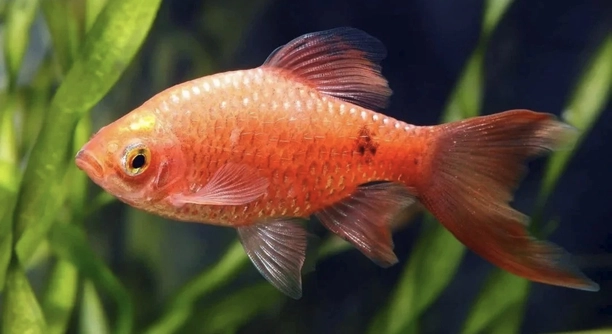
Have you ever caught your Rosy Barbs staring at their reflection and wondered what’s going through their tiny, colorful minds? These little fish can be surprisingly reactive to even the smallest changes in their surroundings.
Rosy Barbs can react to their reflections in the tank, often mistaking them for other fish. This behavior may trigger territorial displays, chasing, or heightened stress, especially in smaller tanks or when the fish lacks environmental stimulation.
This behavior is more than just a curious glance—it can influence their mood and tank dynamics. Let’s explore what these reactions mean and how to handle them.
Why Rosy Barbs React to Reflections
Rosy Barbs are active and social fish that often respond to movement in their environment. When they see their own reflection, they can mistake it for another fish. This is common in tanks with clear glass and strong lighting. Their natural instinct is to defend their space or interact with what they perceive as a newcomer. These reactions can include chasing, flaring fins, or swimming quickly back and forth. For some fish, this can be playful, but for others, it may cause stress. The size of the tank and how it’s decorated can make a big difference. Fish without enough plants or hiding spaces might focus more on their reflection. Over time, repeated exposure may lead to changes in behavior, such as pacing or loss of appetite. If this happens, it’s worth looking at your setup and seeing if any changes can help reduce the reflection or distract the fish.
This type of reaction is more common in tanks that are placed near bright windows or lights. Extra lighting can make reflections stronger.
You may not notice it at first, but your Rosy Barb might be reacting often without you realizing it. Pay attention to patterns in their swimming.
What You Can Do About It
Reducing strong light or adding background covers can help lessen reflections. Adjusting lighting near the tank is often a simple fix.
A lightly decorated tank with reflective glass can trigger more of these behaviors. Try adding more plants, rocks, or decorations to block the reflection and offer your fish something else to focus on. Live plants or darker backgrounds can help diffuse light and reduce mirror-like surfaces. Rearranging the tank may also break up the direct line of sight where the reflection usually appears. If the tank is placed near a window or in a spot that gets lots of sunlight, try moving it or closing nearby curtains during peak daylight hours. Giving Rosy Barbs enough space is also important. In a small tank, the reflection is harder to escape and may cause more stress. Providing a larger tank with natural enrichment can make a big difference. Watching for signs like flaring, fast swimming, or hiding too often can help you decide what changes are needed.
Signs Your Rosy Barb Is Reacting to Its Reflection
Rosy Barbs may suddenly flare their fins, chase their reflection, or swim rapidly toward the glass. These behaviors are often short bursts but may repeat throughout the day. Some fish may even act more aggressive or territorial than usual during these moments.
If your Rosy Barb starts spending a lot of time in one area of the tank, especially near the glass, it could be reacting to its reflection. You might notice the fish flaring its fins frequently, making sharp turns, or even trying to nip at the glass. While some of this can look playful, it may lead to stress over time. Repeated attempts to “chase” the reflection may wear the fish out or cause them to skip meals. A stressed Rosy Barb might also hide more than usual or swim erratically. Watching their body language and activity levels can give you early signs something isn’t right.
In some cases, this reaction may fade on its own as the fish becomes used to the reflection. However, not all Rosy Barbs will adjust the same way. If the behavior continues, it may begin to impact their daily routine. Tank mates can also be affected, especially if the reacting Barb becomes territorial. This might lead to increased tension or chasing in the tank. It’s good to notice any changes in the group’s dynamic. Some fish may start avoiding the area altogether, while others may become more aggressive in response. Observing these shifts early helps prevent stress-related issues from building up over time.
How to Create a Calmer Tank Environment
Adding tall plants, hiding spots, and dark backgrounds helps reduce visible reflections and gives the fish a more secure space. When Rosy Barbs feel less exposed, they’re more likely to behave calmly and interact normally with tank mates.
The right setup can have a big impact on your Rosy Barb’s behavior. Use tall plants along the back and sides of the tank to break up open space and reflections. Floating plants can soften the light that causes reflections, while driftwood and rock structures offer natural hiding spots. Try placing a dark background on the outside of the tank to block extra light and reduce mirrored surfaces. Keep lighting moderate and consistent—avoid direct sunlight or strong lamps near the glass. Choose a larger tank if possible, especially if you keep multiple fish. Extra space allows them to spread out and feel less pressured. When a tank feels more balanced and secure, Rosy Barbs are less likely to react to reflections, which can help them stay healthier and more relaxed overall.
When Reflection Becomes a Problem
If your Rosy Barb starts skipping meals, hiding more often, or acting restless for long periods, the reflection may be stressing them. Constant exposure can lead to long-term behavior changes and lowered immune function if not addressed early.
Some fish become aggressive toward tank mates when stressed by reflections. This can lead to chasing, fin nipping, or tension in the group. If your Rosy Barb suddenly becomes more territorial or defensive, a persistent reflection may be part of the cause.
Other Things That Can Trigger Similar Behavior
Sometimes Rosy Barbs show the same behavior due to boredom, lack of space, or poor water conditions. If the tank is too small or lacks stimulation, they may react more strongly to reflections or even other tank mates. Testing your water regularly and keeping the environment clean and enriched helps rule out other causes. Overcrowding can also increase tension and make them more reactive. It’s important to check lighting, tank placement, and overall setup before assuming the reflection is the only trigger. Making a few changes can help calm the tank and improve overall behavior without needing to separate fish.
Simple Fixes That Make a Difference
Use background covers, adjust lighting, and add plants to limit reflections. These small changes are easy to do and can help your Rosy Barb stay calm.
FAQ
Can Rosy Barbs harm themselves by reacting to their reflection?
Yes, Rosy Barbs can sometimes harm themselves if they react aggressively to their reflection. Chasing or nipping at the glass repeatedly can cause physical stress or injuries like torn fins. If this behavior goes on for a long time without breaks, it may weaken their immune system or cause long-term stress.
How can I tell if my Rosy Barb is stressed because of its reflection?
Look for signs like constant chasing, flared fins, hiding, loss of appetite, or unusual restlessness. Stressed fish may swim erratically or isolate themselves from the group. These behaviors may increase during times of bright lighting or when the tank is quiet with fewer distractions.
Is it normal for Rosy Barbs to interact with their reflection sometimes?
Yes, occasional interaction with their reflection is normal. It can even be a form of stimulation or exercise. However, if the behavior becomes obsessive or causes stress, changes to the tank setup are recommended to reduce the reflection.
What are the best ways to reduce reflections in a fish tank?
Use a dark background on the tank, add tall plants or decorations near the glass, and avoid placing the tank in direct sunlight. Adjusting the lighting to be softer and more diffused helps as well. Positioning the tank away from windows or bright lamps can significantly reduce mirror-like reflections.
Can tank size affect how much Rosy Barbs react to reflections?
Absolutely. Smaller tanks make reflections more noticeable and stressful because the fish have less space to avoid their image. Larger tanks with plenty of hiding places allow Rosy Barbs to feel secure and reduce reaction to reflections.
Should I consider separating a Rosy Barb if it reacts aggressively to its reflection?
Separating a fish is rarely necessary unless the aggression leads to injury or stress to other tank mates. Instead, try to improve the environment by adding plants, decorations, or adjusting lighting. If aggression persists and causes harm, then separation or a larger tank might be the best option.
Do other fish species react the same way to reflections as Rosy Barbs?
Many fish species react similarly, especially territorial or active ones. However, some fish may ignore their reflection entirely. Knowing the temperament of your fish helps in understanding if reflection reactions are likely or problematic.
How long does it take for Rosy Barbs to get used to their reflections?
It varies. Some fish adjust in a few days or weeks as they learn the reflection isn’t a threat. Others may continue reacting for months if the setup doesn’t change. Providing distractions and reducing reflections can speed up this adjustment.
Can reflections cause stress-related illness in Rosy Barbs?
Yes, prolonged stress from reflections can weaken their immune system, making them prone to diseases. Watch for signs like faded colors, lethargy, or unusual spots, and address reflection issues quickly to prevent health problems.
Are reflections worse during certain times of the day?
Reflections can be stronger during daylight hours or when tank lights are brightest. Morning and afternoon sun hitting the tank glass can create sharper reflections. Using blackout curtains or turning off some lights can reduce this effect.
Will adding more fish help reduce reflection reactions?
Adding more fish may help by distracting Rosy Barbs from their reflections, but it can also increase stress if the tank is too crowded. Always consider tank size and compatibility before adding more fish.
What role does tank decoration play in managing reflection reactions?
Decorations create natural barriers that block reflections and provide hiding spots. This keeps fish occupied and less focused on the glass. A well-decorated tank feels safer and lowers stress.
Can reflections cause Rosy Barbs to become aggressive toward tank mates?
Yes, the frustration from reacting to a reflection can spill over as aggression toward other fish. This may lead to chasing or fin nipping, disturbing the tank’s peace. Monitoring behavior and adjusting the environment helps keep harmony.
Is it better to have a matte or glossy background to reduce reflections?
A matte background works better for reducing reflections because it doesn’t create shiny surfaces that mirror the fish. Glossy backgrounds can increase reflection and trigger reactions.
Can I use anti-reflective glass or film on my tank?
Yes, anti-reflective films or glass can help reduce reflections. These are especially useful in brightly lit rooms or if moving the tank isn’t an option. They help cut down glare and make reflections less noticeable.
Rosy Barbs are lively and colorful fish that bring energy to any tank. Their reactions to reflections are a natural behavior based on their instincts. Seeing their own image can sometimes make them think there is another fish nearby. This can lead to chasing or defensive actions. While this behavior is common, it can also cause stress if it happens too often or for long periods. Paying attention to how your fish behaves around reflections helps you understand their needs better. Sometimes, small changes in the tank setup can make a big difference in how calm and comfortable they feel.
Managing reflections in a fish tank doesn’t have to be complicated. Simple steps like adding plants, decorations, or a dark background can reduce mirror effects and create a more natural environment for your Rosy Barbs. Proper lighting also plays a key role—avoiding direct sunlight or bright lamps near the tank can cut down on reflections. Giving your fish plenty of space is important too, as crowded tanks make it harder for them to avoid their reflections and increase stress. When Rosy Barbs feel secure, they are more likely to display their natural, peaceful behaviors, which makes the tank more enjoyable for everyone.
It’s normal for Rosy Barbs to sometimes react to reflections, but it’s important to watch for signs of stress or aggression. If you notice changes like hiding, loss of appetite, or increased chasing, it might be time to adjust the tank setup. Remember that every fish is different, and some may take longer to get used to reflections than others. Being patient and observing their behavior regularly helps you create a healthy space where your Rosy Barbs can thrive. With a few thoughtful changes, you can reduce reflection-related stress and help your fish live a happier, healthier life.

Hello,
If you enjoy the content that we create, please consider saying a "Thank You!" by leaving a tip.
Every little bit helps us continue crafting quality advice that supports the health, happiness, and well-being of pets around the world, for pets of all shapes, sizes, and species.
We really appreciate the kindness and support that you show us!