
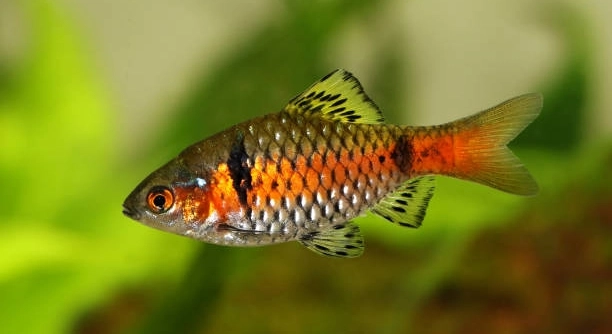
Rosy Barbs are popular freshwater fish kept in home aquariums. Many owners pay close attention to their behavior and environment. Changes in air pressure can occur naturally and may affect aquatic life in subtle ways.
Rosy Barbs do react to changes in air pressure. These fish are sensitive to environmental shifts, which can cause alterations in their swimming patterns and activity levels. Such responses help them adapt to changing conditions in their habitat.
Understanding how air pressure influences Rosy Barbs is important for maintaining a stable aquarium environment. This knowledge can improve fish care and help hobbyists create the best conditions for their pets.
How Air Pressure Affects Rosy Barbs
Air pressure changes often happen with weather shifts, such as before a storm or on a windy day. Rosy Barbs, like many fish, sense these changes through their swim bladders, which help them maintain balance. When air pressure drops, they may become more active or restless. This behavior is a natural response to help them adjust to the new conditions. In some cases, sudden drops in pressure can cause stress, leading to less eating or hiding more than usual. On the other hand, stable air pressure usually means the fish feel comfortable and behave normally. Keeping the aquarium environment stable helps reduce these reactions. It is also useful to avoid moving the tank during such times because sudden vibrations or disturbances can increase stress levels. Observing your Rosy Barbs during different weather patterns can provide insight into how much air pressure impacts their behavior.
Stress in Rosy Barbs can often be linked to these environmental changes. Keeping the tank stable is key to their well-being.
It is important to maintain consistent conditions in the tank, especially during times of fluctuating air pressure. Sudden changes in temperature or water quality combined with pressure shifts can increase stress levels in Rosy Barbs. Using a tank cover and ensuring proper filtration helps reduce disturbances. Additionally, feeding them at regular intervals supports their health during these periods. Being aware of weather forecasts can also help prepare for times when air pressure might change, allowing you to take steps to minimize tank disruptions. These small actions can make a significant difference in keeping Rosy Barbs calm and healthy.
Signs Rosy Barbs Show When Reacting to Air Pressure
Rosy Barbs often display subtle signs when air pressure changes. They may swim near the surface more often or hide behind plants. These actions are ways to cope with discomfort.
Changes in air pressure can affect how Rosy Barbs behave in noticeable ways. They might show increased activity or restlessness, swim erratically, or even become less social with other fish. Some may reduce their feeding habits temporarily. Observing these signs helps in understanding when the fish are under stress. It’s also important to note that these behaviors usually pass as the pressure stabilizes. Monitoring water parameters regularly is necessary to rule out other possible causes of stress. Reacting quickly to any unusual changes in behavior can prevent long-term health issues. By providing a calm and stable environment, owners can support the well-being of their Rosy Barbs even during natural fluctuations in air pressure.
Preparing Your Aquarium for Air Pressure Changes
Keeping the aquarium stable can reduce the impact of air pressure changes on Rosy Barbs. Simple adjustments can help keep the fish calm during weather shifts.
Using a stable water temperature and proper filtration limits sudden environmental changes. Avoid opening the tank lid frequently, as this can disturb the air and water balance. Adding plenty of plants and decorations offers hiding spots, which help fish feel secure. Monitoring water quality regularly ensures that no additional stress factors affect the fish. Preparing the tank ahead of known weather changes allows Rosy Barbs to adjust more easily to air pressure shifts.
Maintaining a consistent routine is also helpful. Feed the fish at the same times daily and avoid overfeeding, which can affect water quality. When air pressure drops, extra care is needed, such as reducing tank maintenance that might cause sudden water movement or noise. These small efforts can make a noticeable difference in how Rosy Barbs respond to changing conditions.
Tools and Equipment to Monitor Changes
Using a barometer can help track air pressure changes near your aquarium. This allows for better preparation to protect your fish.
Keeping track of tank conditions with tools like thermometers, pH meters, and barometers is essential. These devices provide real-time information about the environment your fish live in. A reliable barometer shows when air pressure rises or falls, signaling potential stress times for Rosy Barbs. Some modern aquarium monitors combine several sensors to track temperature, humidity, and water parameters simultaneously. Having this data helps identify patterns and take timely actions. It also gives peace of mind knowing you can react to natural environmental changes quickly, improving overall fish care.
Common Misunderstandings About Rosy Barbs and Air Pressure
Many assume Rosy Barbs are unaffected by air pressure, but this is not true. Their behavior can subtly shift with environmental changes.
It is important to avoid blaming air pressure for all behavioral changes. Other factors like water quality, tank mates, or illness often play bigger roles. Observing all conditions together gives a clearer picture of fish health.
How to Support Rosy Barbs During Stressful Weather
Offering extra hiding places and maintaining water quality helps reduce stress during air pressure changes. Routine care remains essential.
When to Seek Expert Advice
If Rosy Barbs show severe or prolonged stress, professional advice should be sought. Early intervention prevents serious problems.
FAQ
Can Rosy Barbs sense air pressure changes?
Yes, Rosy Barbs can sense changes in air pressure. Their swim bladders help detect shifts in pressure, which can influence their swimming and overall behavior. These changes are usually subtle but can cause increased activity or restlessness during significant drops or rises in pressure.
How does low air pressure affect Rosy Barbs?
Low air pressure often occurs before storms and can cause Rosy Barbs to become more active or stressed. They may swim erratically or hide more than usual. This behavior helps them adjust to potential changes in their environment, though prolonged stress should be avoided by maintaining stable tank conditions.
Are there any signs that show Rosy Barbs are stressed by air pressure?
Signs include increased hiding, reduced appetite, erratic swimming, and changes in social behavior. These symptoms usually subside when pressure stabilizes. Regular monitoring helps ensure these signs are noticed early and addressed properly.
Can sudden changes in air pressure harm Rosy Barbs permanently?
Sudden air pressure changes are unlikely to cause permanent harm if tank conditions are good and stable. However, repeated or extreme fluctuations combined with poor water quality can weaken the fish’s immune system and lead to health problems.
What tank conditions help Rosy Barbs handle air pressure changes better?
Stable water temperature, clean water, adequate hiding spots, and minimal disturbances help Rosy Barbs cope better. Avoid frequent lid openings and sudden water changes during pressure shifts to reduce stress.
Is it necessary to use a barometer for home aquariums?
Using a barometer is helpful but not essential. It allows you to anticipate air pressure changes and take preventative steps. Many hobbyists successfully manage without one by maintaining consistent tank care routines.
Can feeding habits indicate stress from air pressure?
Yes, a decrease in appetite can signal stress. If Rosy Barbs suddenly eat less during weather changes, it’s often related to air pressure shifts. Maintaining a regular feeding schedule and offering nutritious food supports recovery.
How long do Rosy Barbs take to adjust to air pressure changes?
Adjustment times vary but typically range from a few hours to a couple of days. Most Rosy Barbs return to normal behavior once air pressure stabilizes and tank conditions remain constant.
Should I change maintenance routines when air pressure is low?
Yes, it’s best to avoid major tank maintenance during significant pressure changes. Activities like large water changes or rearranging decorations can add stress. Stick to gentle care until conditions stabilize.
Can other fish in a community tank affect how Rosy Barbs react to air pressure?
Yes, tank mates can influence stress levels. Aggressive or overly active fish may worsen stress caused by air pressure changes. Providing enough space and hiding places for all fish helps reduce conflict and stress.
Are Rosy Barbs more sensitive to air pressure than other fish?
Rosy Barbs show moderate sensitivity compared to some species. They respond noticeably but usually adapt well if conditions are stable. Sensitivity varies with species, so knowing your fish’s habits is important.
What immediate steps can I take if I notice stress during a pressure drop?
Reduce disturbances by limiting tank access and noise. Check water quality and temperature to ensure stability. Add more hiding spots if possible. Avoid feeding large amounts until the fish return to normal behavior.
Can artificial lighting affect Rosy Barbs’ response to air pressure?
Lighting itself does not directly affect their reaction to pressure changes, but consistent light cycles support regular behavior. Avoid sudden changes in lighting, especially during times of environmental stress.
Is there a way to permanently prevent Rosy Barbs from reacting to air pressure?
No method can completely stop natural responses. The best approach is to minimize other stress factors by keeping the tank environment stable and healthy. This reduces the intensity of their reactions.
How can I tell if unusual behavior is due to air pressure or illness?
Observe the duration and combination of symptoms. Stress from air pressure is usually short-term and linked to weather changes. Illness often involves more severe or lasting signs like physical damage, discoloration, or labored breathing.
Do Rosy Barbs communicate stress to each other?
They do not communicate stress directly but may react to the behavior of tank mates. If one fish becomes restless, others might also become more active or hide more, creating a group response to environmental changes.
Are there any special foods that help Rosy Barbs during stressful times?
High-quality, nutritious foods that support the immune system are best during stress. Foods rich in vitamins and minerals help Rosy Barbs recover more quickly after environmental challenges like pressure changes.
Does water depth in the tank affect how Rosy Barbs react to air pressure?
Water depth can influence pressure changes inside the tank slightly but is generally less impactful than external air pressure. Deeper tanks may buffer minor shifts better, but overall tank stability matters more.
What role does the swim bladder play in sensing air pressure?
The swim bladder regulates buoyancy and detects pressure changes. When external air pressure shifts, the swim bladder senses the difference, which affects how the fish moves and balances in the water.
Should I consider tank placement based on air pressure concerns?
Placing the tank away from drafty windows or vents reduces sudden temperature and pressure shifts. A stable location helps maintain a consistent environment, which benefits the fish’s overall well-being.
Rosy Barbs are sensitive to their environment, and changes in air pressure can affect them more than many people realize. These fish use their swim bladders to detect shifts in pressure, which can cause changes in their swimming patterns and behavior. When air pressure drops, especially before storms, Rosy Barbs might become more active or show signs of stress such as hiding or eating less. While these reactions are natural and temporary, repeated or extreme changes in air pressure combined with other stress factors can impact their health. Understanding this connection helps in providing better care for these fish, especially in home aquariums where environmental conditions are more controlled.
Maintaining a stable tank environment is the best way to support Rosy Barbs through air pressure changes. Keeping the water temperature steady, providing clean water with proper filtration, and minimizing disturbances can help reduce stress. It is also important to maintain a regular feeding schedule and avoid major tank maintenance during times of pressure fluctuation. Adding plants and decorations offers safe hiding spots, which can make the fish feel more secure. Observing your Rosy Barbs regularly allows you to notice any unusual behavior early and adjust care routines accordingly. Taking these steps helps the fish stay healthy and comfortable despite natural shifts in their surroundings.
Using simple tools like a barometer can improve awareness of air pressure changes near your aquarium. This information allows you to prepare the tank environment in advance and take precautions that protect your fish. Even without special equipment, following consistent tank care and watching for stress signs goes a long way. Being attentive to your Rosy Barbs’ behavior and adjusting the environment as needed ensures they remain calm and healthy. Understanding how air pressure affects these fish makes you a more informed and responsive caretaker, which benefits both the fish and the overall aquarium experience.

Hello,
If you enjoy the content that we create, please consider saying a "Thank You!" by leaving a tip.
Every little bit helps us continue crafting quality advice that supports the health, happiness, and well-being of pets around the world, for pets of all shapes, sizes, and species.
We really appreciate the kindness and support that you show us!