
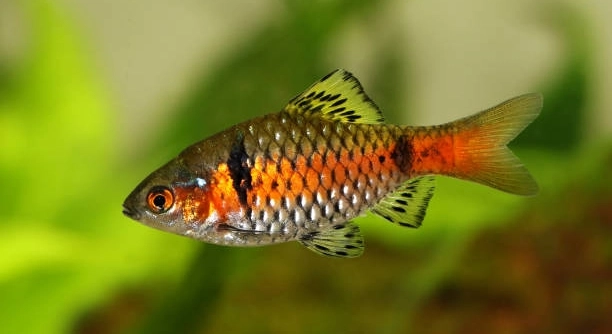
Rosy Barbs are popular freshwater fish known for their bright colors and active behavior. Many fishkeepers enjoy keeping them in home aquariums. Understanding their needs helps ensure these fish stay healthy and happy in captivity.
Rosy Barbs can survive without an air pump, but having proper oxygenation in the tank is essential for their well-being. An air pump improves water circulation and oxygen levels, which supports their health and reduces stress.
Knowing how to maintain the right environment will help your Rosy Barbs thrive, even if you decide not to use an air pump. This article explains what you need to consider for their care.
Oxygen Needs of Rosy Barbs
Rosy Barbs require oxygen to survive just like any other fish. They get oxygen from the water through their gills. In a well-maintained aquarium, oxygen naturally dissolves in the water from the surface. However, without proper circulation, oxygen levels can drop, especially in crowded or warm tanks. An air pump helps by moving water around and adding bubbles, increasing the oxygen available. Without an air pump, you must ensure good water movement by other means, like a filter that creates surface agitation. Keeping the tank clean and avoiding overfeeding also prevents oxygen depletion. When oxygen levels are low, Rosy Barbs may become sluggish or gasp at the surface. Monitoring water quality and temperature is important because warm water holds less oxygen. Providing enough space and plants can help too, as plants produce oxygen during the day. Proper care and attention can maintain enough oxygen for Rosy Barbs even without an air pump.
An air pump is helpful but not absolutely required if other conditions support oxygen levels. Regular tank maintenance is key.
Many Rosy Barb owners keep their fish without air pumps by using filters that circulate water well and controlling tank conditions carefully. Simple steps like frequent water changes and avoiding overcrowding make a big difference. Additionally, choosing a larger tank increases surface area, improving oxygen exchange. Live plants can add oxygen but also consume it at night, so balancing plant life is necessary. Paying attention to the behavior of your fish helps detect early signs of oxygen stress. If you notice rapid gill movement or fish staying near the surface, it’s time to improve aeration or water quality. While an air pump is convenient for stable oxygen levels, other options can keep Rosy Barbs comfortable without it. In many cases, thoughtful aquarium setup and routine care prevent problems that arise from low oxygen.
Alternatives to Air Pumps
Using a filter with good water movement can reduce the need for an air pump.
Filters that produce surface agitation increase oxygen exchange naturally. Power filters or sponge filters create currents that help oxygen enter the water. You can also arrange tank decorations to encourage water flow. Adding plants that oxygenate the water during the day supports the fish’s needs, but be aware that at night plants consume oxygen. Surface agitation is one of the most effective ways to keep oxygen levels balanced without an air pump. It also helps remove carbon dioxide, which is important for water quality. Regular partial water changes bring fresh oxygenated water into the tank, making a difference for fish health. If you notice your Rosy Barbs are restless or gasping for air, consider increasing water movement or performing water changes. These simple techniques are often enough to maintain a healthy environment without additional equipment.
Without an air pump, water circulation must be optimized through filters, surface agitation, plants, and regular water changes.
Signs of Oxygen Deficiency in Rosy Barbs
Rosy Barbs show clear signs when oxygen is low. They may swim near the surface or gasp for air. Reduced activity and slower movement can also indicate stress caused by insufficient oxygen. Watching their behavior helps catch problems early.
When oxygen is low, Rosy Barbs might cluster near air pockets or the filter outlet where water is more oxygen-rich. They may also lose color or become less responsive. If left untreated, this stress can lead to illness or death. It is important to check water parameters and ensure good circulation when these signs appear. Testing oxygen levels or ammonia and nitrate concentrations can reveal underlying issues.
Sometimes, poor water quality causes oxygen problems. Waste buildup from uneaten food or fish waste reduces oxygen. Cleaning the tank regularly, avoiding overfeeding, and performing partial water changes are essential. Ensuring your tank isn’t overcrowded and that plants are balanced also prevents oxygen deficiency.
Maintaining Water Quality Without an Air Pump
Good water quality supports oxygen levels and fish health even without an air pump.
Water quality depends on regular cleaning and managing waste buildup. Partial water changes remove toxins and refresh oxygen naturally. Filters help by removing debris and circulating water, which improves oxygen exchange. Overfeeding or overcrowding quickly degrades water quality, lowering oxygen. Keeping the tank clean and balanced reduces stress on Rosy Barbs. Monitoring parameters like ammonia, nitrite, and nitrate ensures a safe environment. Using live plants carefully can help absorb waste and produce oxygen during daylight. Simple maintenance habits go a long way toward maintaining a healthy tank without needing an air pump.
Temperature’s Effect on Oxygen Levels
Warmer water holds less oxygen than cooler water.
Keeping the tank temperature stable and within the ideal range for Rosy Barbs helps maintain oxygen availability. Avoid letting the water get too warm.
Ideal Temperature Range for Rosy Barbs
Rosy Barbs thrive best between 64°F and 72°F (18°C to 22°C). Temperatures above this range reduce oxygen solubility in the water, which can stress the fish. Maintaining stable temperatures within this range supports their health and helps oxygen stay dissolved in the tank water. Using a reliable heater and thermometer helps monitor and control the temperature, ensuring a safe environment. Cooler water holds more oxygen, so avoiding temperature spikes is important when not using an air pump.
Tank Size and Oxygen Exchange
Larger tanks generally provide better oxygen exchange due to increased surface area.
Plant Care for Oxygen Balance
Healthy live plants contribute oxygen during the day but consume it at night.
FAQ
Can Rosy Barbs survive without an air pump?
Yes, Rosy Barbs can survive without an air pump if their tank has proper water circulation and oxygen levels. Filters that create surface agitation help oxygen enter the water. Regular maintenance, such as water changes and cleaning, also supports oxygen availability. Keeping the tank clean and not overcrowded reduces stress and helps the fish stay healthy.
What are the signs my Rosy Barbs need more oxygen?
Look for fish staying near the surface or gasping for air. Reduced activity, faded colors, and slower movements can also signal oxygen deficiency. If you notice these signs, check water quality and increase circulation or perform a water change. Acting quickly can prevent health problems.
Can plants replace the need for an air pump?
Plants provide oxygen during the day through photosynthesis, but they consume oxygen at night. Relying solely on plants is risky. Combining live plants with good water movement and regular water changes is better for maintaining oxygen levels.
Is tank size important for oxygen levels?
Yes, larger tanks generally have better oxygen exchange because they have a bigger surface area. More surface area means more oxygen can dissolve into the water naturally. A larger tank also helps reduce stress and allows better distribution of oxygen.
How does temperature affect oxygen in the tank?
Warmer water holds less oxygen than cooler water. If the tank temperature rises above the ideal range (64°F to 72°F for Rosy Barbs), oxygen levels drop. Keeping a stable and appropriate temperature is crucial, especially without an air pump.
What can I do if I don’t have an air pump?
Use a filter that agitates the water surface to increase oxygen exchange. Do frequent partial water changes, avoid overcrowding, and keep the tank clean. Adding live plants can help during the day but don’t rely on them alone. Monitoring fish behavior and water parameters is key.
How often should I change the water without an air pump?
Partial water changes of about 20-30% once every one to two weeks help keep oxygen and water quality stable. If the tank is crowded or heavily stocked, more frequent changes may be needed to maintain a healthy environment.
Can I use an air stone instead of an air pump?
An air stone needs an air pump to work. It diffuses air bubbles and helps oxygenate the water, but without a pump to push air through it, an air stone alone won’t add oxygen.
Are there any risks to not using an air pump?
Yes, the main risk is low oxygen levels, which can stress or harm your Rosy Barbs. Without good water circulation and maintenance, oxygen can drop quickly, especially in warm or crowded tanks. Careful tank setup and upkeep are essential to avoid problems.
What filter types are best for oxygenation without an air pump?
Power filters and sponge filters that move water and create surface agitation work well. These filters improve oxygen exchange by constantly circulating water and breaking the surface tension. Avoid filters that don’t create enough flow or surface movement.
Can overcrowding cause oxygen problems?
Yes, overcrowding increases oxygen consumption and waste production, which lowers water quality. This leads to reduced oxygen and more stress for the fish. Keeping a reasonable number of Rosy Barbs in the tank helps maintain balance.
How do I test oxygen levels in my tank?
Oxygen test kits are available online or at pet stores. They measure dissolved oxygen and help you monitor conditions. Testing regularly, especially if you don’t use an air pump, allows you to adjust care before problems occur.
What role does feeding play in oxygen levels?
Overfeeding causes leftover food to decay, which consumes oxygen and produces harmful waste. Feeding only what your Rosy Barbs can eat within a few minutes helps keep the tank clean and oxygen-rich. Less waste means better water quality and healthier fish.
Can surface agitation be created without equipment?
Yes, you can create surface movement by adjusting the filter output or using airstones connected to powerheads. Even arranging decorations to direct water flow can improve oxygen exchange. These small changes can make a difference in tanks without air pumps.
Is it okay to keep Rosy Barbs without an air pump if I have plants and a filter?
Yes, if your filter creates enough surface agitation and your plants are healthy, you can keep Rosy Barbs without an air pump. Just maintain good water quality, monitor fish behavior, and perform regular water changes to keep oxygen levels stable.
How can I reduce stress in Rosy Barbs without using an air pump?
Provide enough space, avoid overcrowding, maintain stable water temperature, and keep water clean. A calm environment with hiding spots helps reduce stress. Less stress means lower oxygen needs and healthier fish overall.
Rosy Barbs are fairly hardy fish that can live without an air pump if their tank conditions are managed carefully. While an air pump helps keep oxygen levels stable by circulating water and adding bubbles, it is not absolutely necessary. Other factors like water movement, surface agitation, tank size, and temperature play important roles in maintaining oxygen for the fish. Ensuring these factors are balanced can help Rosy Barbs breathe well and stay healthy even without extra aeration equipment.
Maintaining good water quality is key when not using an air pump. Regular partial water changes remove harmful waste and refresh oxygen naturally. Using a filter that moves water effectively helps oxygen enter the tank from the surface. Keeping the tank clean, avoiding overcrowding, and not overfeeding will reduce waste buildup that lowers oxygen levels. Live plants also contribute oxygen during the day, though they consume some at night, so balance is important. Watching the fish for signs of oxygen stress, like gasping or sluggishness, helps you catch issues early and respond by improving water flow or cleaning the tank.
In summary, you can keep Rosy Barbs healthy without an air pump by paying close attention to their environment. Temperature should be kept within their ideal range, and the tank should have good water circulation through a filter or other means. Regular maintenance and monitoring are necessary to avoid oxygen shortages. By managing these conditions well, Rosy Barbs can live comfortably and display their bright colors and active behavior even without the constant use of an air pump.

Hello,
If you enjoy the content that we create, please consider saying a "Thank You!" by leaving a tip.
Every little bit helps us continue crafting quality advice that supports the health, happiness, and well-being of pets around the world, for pets of all shapes, sizes, and species.
We really appreciate the kindness and support that you show us!