
Have you ever tried pairing different fish species in one tank, only to wonder if they’ll actually get along peacefully?
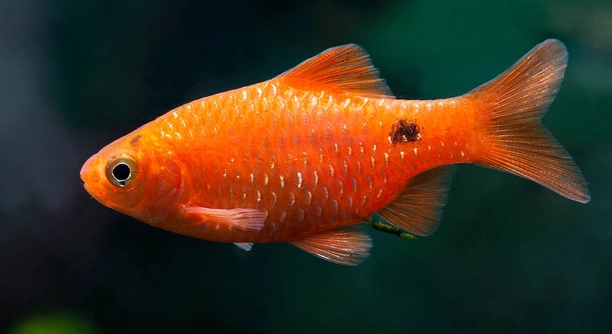
Rosy barbs can live with guppies, but caution is necessary. Rosy barbs are active and sometimes nip fins, which can stress guppies. Choosing the right tank size and keeping barbs in groups helps reduce aggression.
Learning how to balance their behavior and tank conditions can make this pairing smoother for both fish species.
Understanding the Nature of Rosy Barbs and Guppies
Rosy barbs are fast swimmers with a playful nature, while guppies are smaller and more delicate. This difference can create tension if not managed well. Rosy barbs sometimes chase or nip at fish with long, flowing fins. Guppies often become targets, especially in small or crowded tanks. However, rosy barbs are less likely to show aggressive behavior when kept in groups of at least six. This social setup spreads out their energy and keeps them busy. Guppies thrive in calm settings, so a peaceful environment is essential. A tank of at least 30 gallons helps reduce stress by giving each species room to swim freely. Adding plants and hiding spots also improves the setup. These features create barriers and allow guppies to retreat if needed. With proper planning and attention to tank dynamics, these two species can live together without problems. Balanced feeding and consistent monitoring also support peaceful coexistence.
Tank setup plays a big role in reducing stress between the two species.
Rosy barbs can be less aggressive when they have a proper group and enough space to move around. Keeping at least six barbs is ideal, as this helps them focus on each other instead of the guppies. A spacious tank of 30 gallons or more provides both species the room they need. It also allows you to create zones using live plants, driftwood, or decor that offers shelter for the guppies. Guppies prefer slow-moving water and calmer surroundings. Filters with adjustable flow settings can help manage water current levels. Temperature is another key point: guppies prefer 72–82°F, while rosy barbs do well between 64–74°F. Keeping the water around 74°F provides a middle ground that suits both. Feed them separately when possible to avoid competition. Guppies can be shy eaters, and they may not compete well with the faster barbs. These simple adjustments can create a safer space for both fish.
Signs of Trouble and What to Watch For
Watch for torn fins, hiding behavior, or sudden changes in swimming patterns. These are early signs of stress or bullying.
If guppies begin to hide constantly or show signs of torn fins, they may be getting harassed by the barbs. Rosy barbs tend to chase flashy fish, and guppies’ long tails can trigger this behavior. If aggression starts to rise, consider adding more hiding places or rearranging the tank layout. This breaks up territorial patterns and offers guppies a fresh chance to explore. In more serious cases, you might need to rehome one of the species. It’s best to act early when you notice signs of stress. Watch feeding behavior too—if guppies aren’t eating, it might be due to feeling threatened. Add floating plants or dense vegetation in their area to calm them down. Regular tank checks and paying attention to your fish’s body language will help avoid serious issues. These simple habits can make a big difference in keeping your fish healthy and safe.
Managing Feeding and Tank Routine
Rosy barbs eat quickly and may outcompete guppies at feeding time. Feeding them on opposite ends of the tank can help reduce tension. Use floating and sinking foods to meet both species’ needs without creating unnecessary competition.
Feeding both species properly helps maintain peace. Rosy barbs are aggressive feeders and often rush for food. Guppies, being smaller and slower, can miss out. To help, use a two-step feeding method. Drop food in one corner for the barbs first, then feed the guppies in another area. Use different types of food—flakes for guppies and small pellets or frozen foods for barbs. This keeps both fish satisfied and reduces stress. Feed small amounts two to three times a day. Overfeeding leads to water quality issues, which affects both species. A feeding routine helps your fish feel secure and can lower the chances of aggression in the tank.
Clean water helps reduce stress for both guppies and rosy barbs. Change 25% of the water weekly to maintain water quality. Use a filter suitable for a 30-gallon tank or larger. Make sure it runs smoothly and doesn’t create strong currents that guppies can’t handle. Test water regularly for ammonia, nitrite, and nitrate levels. Keep ammonia and nitrite at zero. Nitrate should stay under 40 ppm. Vacuum the gravel weekly to remove waste buildup. A stable pH between 6.8 and 7.8 works for both species. Temperature should stay close to 74°F. Stick to a schedule for water changes, filter checks, and feeding. This structure helps both fish species stay calm and healthy. A clean and stable tank supports their compatibility and lowers the risk of illness or fin-nipping behavior.
Best Tank Mates to Add for Balance
Adding peaceful species like Corydoras or small tetras can help balance tank energy and distract the barbs from chasing guppies. Avoid adding slow or long-finned fish that might become new targets for the barbs.
Choose tank mates carefully when housing rosy barbs and guppies together. Peaceful bottom dwellers like Corydoras catfish are a good option. They stay out of the way and clean up leftover food. Fast swimmers like zebra danios or hardy tetras can also work well. These active fish help redirect the barbs’ energy away from the guppies. Avoid adding slow fish like bettas or angelfish—barbs may nip at their fins. Stick to schooling fish that can handle themselves in a slightly active environment. Keep the overall stocking light to prevent overcrowding. Every new addition should be monitored closely during the first few days. Watch how the barbs behave and adjust the group size if needed. Balanced stocking helps maintain peace and keeps the guppies safe.
When the Pairing Doesn’t Work
If guppies start losing color, hiding often, or showing signs of fin damage, the pairing may not be working. Constant chasing or stress-related illness means it’s time to separate the species before things get worse.
Sometimes, even with the best setup, rosy barbs and guppies won’t get along. Each fish has its own personality, and some barbs are simply more aggressive than others.
Breeding Risks in a Shared Tank
Breeding guppies in a tank with rosy barbs can be difficult. Guppy fry are small and easy targets. Rosy barbs often eat the fry before they have a chance to grow. If you want to breed guppies, use a separate breeding tank. You can also add dense plants or breeding boxes to offer fry some protection. Even then, survival rates will stay low. Barbs are quick and curious, making it hard for baby guppies to hide. For better results, remove the pregnant guppy before she gives birth and return her after.
Final Thoughts on Compatibility
Not every tank setup will work for both species. A balanced tank, close monitoring, and backup plans are key if problems arise.
FAQ
Can rosy barbs and guppies live peacefully in the same tank?
Yes, they can coexist if the tank is large enough and properly arranged. Keeping at least six rosy barbs helps reduce their fin-nipping behavior, as they focus on each other instead of the guppies. Providing plenty of hiding spots and plants allows guppies to retreat when needed. Monitoring their behavior regularly is important to prevent stress or injury.
What tank size is ideal for housing rosy barbs and guppies together?
A minimum tank size of 30 gallons is recommended. This size offers enough swimming space and room for decorations or plants that create separate zones. More space reduces territorial disputes and stress for both species. A well-planted tank also benefits guppies by offering protection from active barbs.
Are rosy barbs aggressive towards guppies?
Rosy barbs can show mild aggression, especially by chasing and fin-nipping. Their active and fast swimming style may intimidate smaller guppies. This behavior usually lessens when barbs are kept in groups of six or more and have enough space. However, individual temperament varies, so some barbs may remain aggressive despite ideal conditions.
How should I feed rosy barbs and guppies in the same tank?
Feed barbs and guppies separately to avoid competition. Drop food on opposite sides of the tank, using different food types like flakes for guppies and pellets for barbs. Feeding smaller portions multiple times a day helps prevent overfeeding and stress. Watching feeding behavior ensures all fish get enough nutrition.
What signs show that rosy barbs are stressing out guppies?
Look for guppies hiding constantly, faded colors, torn or ragged fins, and reduced appetite. These signs indicate that guppies feel threatened or stressed by the barbs’ behavior. Early intervention is crucial to prevent serious injury or illness. Adding more hiding places or rearranging the tank can help.
Can rosy barbs eat guppy fry?
Yes, rosy barbs will likely eat guppy fry because of their size and natural curiosity. If breeding guppies is a goal, using a separate breeding tank or adding dense plants and breeding boxes is necessary. Protecting fry increases their chances of survival.
What water conditions suit both rosy barbs and guppies?
Both species prefer temperatures around 72–74°F and a pH between 6.8 and 7.8. Water hardness should be moderate. Regular water changes and maintaining clean water with zero ammonia and nitrites are vital. Using a gentle filter helps maintain water quality without stressing guppies with strong currents.
Which tank mates work well with rosy barbs and guppies?
Peaceful, active schooling fish like Corydoras catfish, zebra danios, or small tetras complement this pairing. They help balance tank energy and distract barbs from chasing guppies. Avoid slow-moving or long-finned fish that may become targets for fin-nipping.
What should I do if rosy barbs become too aggressive?
If aggression continues despite adjustments, consider increasing the number of barbs or rearranging the tank to break territories. If problems persist, separating the species into different tanks may be necessary to ensure their wellbeing.
How often should I clean the tank when keeping rosy barbs and guppies together?
Weekly water changes of about 25% are recommended. Regular gravel vacuuming and filter maintenance keep the environment healthy. Clean water reduces stress and illness risk, helping maintain peace between both species.
Final Thoughts
Keeping rosy barbs and guppies together can work well, but it requires careful planning and attention. Both species have different behaviors and needs, so balancing their environment is important. Rosy barbs are active swimmers and sometimes nip fins, while guppies are smaller and more delicate. This difference means you need to create a tank setup that gives each fish enough space and hiding places. A tank size of at least 30 gallons is a good starting point. Adding plants and decorations can help guppies feel safe when the barbs become too lively. The goal is to reduce stress and prevent injury by allowing the fish to move freely and avoid one another when needed.
Feeding is another key factor in maintaining harmony. Since rosy barbs tend to be faster and more aggressive eaters, guppies may miss out if food is given all at once or in one spot. Feeding your fish separately in different areas of the tank ensures everyone gets enough to eat. Using a mix of floating and sinking foods can also accommodate both species’ preferences. Keeping a consistent feeding schedule with small portions multiple times a day helps maintain water quality and avoids overfeeding. Clean water and proper filtration are essential, too, because poor water conditions can cause stress and make aggressive behavior worse. Regular water changes and tank maintenance support the health of all your fish.
Even with all precautions, not every tank will be a perfect match for rosy barbs and guppies. Some fish have personalities that make them less compatible, and aggression may still occur. It’s important to watch your fish closely and act quickly if you notice signs of stress, such as torn fins or hiding. Adding peaceful tank mates or rearranging the tank layout may help, but separating the species is sometimes the best solution. Overall, keeping these fish together is possible with patience and attention to their needs. Taking time to learn about their behaviors and providing a balanced environment will give your tank a better chance at peace and enjoyment.

Hello,
If you enjoy the content that we create, please consider saying a "Thank You!" by leaving a tip.
Every little bit helps us continue crafting quality advice that supports the health, happiness, and well-being of pets around the world, for pets of all shapes, sizes, and species.
We really appreciate the kindness and support that you show us!