
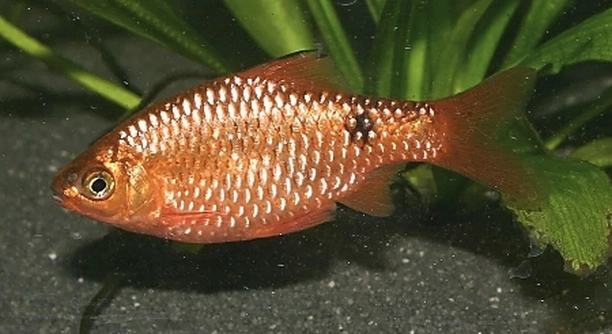
Do you ever wonder if your rosy barbs can live comfortably in tap water? Many fish owners face this question when setting up a new aquarium. Knowing the right conditions helps keep these colorful fish healthy and happy.
Rosy barbs can live in tap water if it meets specific conditions such as proper pH levels, temperature, and absence of harmful chemicals. Conditioning the water to match their natural environment is essential for their survival and well-being.
Understanding these key factors will help you create a suitable home for your rosy barbs. Proper care and attention to water quality make all the difference in their long-term health.
Understanding Tap Water for Rosy Barbs
Tap water varies widely depending on your location. It often contains chlorine or chloramine, which are harmful to fish if not removed. Additionally, tap water’s hardness and pH can differ, and rosy barbs need stable conditions to thrive. Ideally, the pH should be between 6.5 and 7.5, with moderate hardness. Temperature is also important, with a range of 64–72°F (18–22°C) being best. Testing your tap water before introducing rosy barbs is a smart step to ensure it won’t shock them. Using a water conditioner to neutralize chemicals and adjusting pH or hardness if necessary will create a safer environment. Sudden changes should be avoided, as rosy barbs prefer a steady habitat. Small adjustments help them adapt well and stay healthy over time.
Testing kits make it easy to monitor your water’s quality at home. Keeping these factors balanced prevents stress in your fish.
Regular water changes also play a big role in maintaining healthy water parameters. Removing waste and replenishing minerals keeps the environment fresh. You can use conditioned tap water for these changes, making sure it matches the tank’s temperature. This helps reduce stress and supports their immune system. Gradual acclimation when introducing new fish to tap water can avoid shock. Start by mixing tank water with the new water slowly over an hour or so. This process helps rosy barbs adjust safely. Keeping these details in mind ensures your fish live in a comfortable and stable environment, leading to their long-term well-being.
Conditioning Tap Water for Rosy Barbs
Removing chlorine and chloramine from tap water is essential before adding rosy barbs.
Water conditioners are designed to neutralize these chemicals instantly and make tap water safe. They also bind harmful metals that might be present. Choosing the right conditioner based on your water source guarantees the best results. Without treatment, these substances can harm fish gills and stress their systems. Besides chemical removal, conditioners often add essential minerals that support fish health. Regular use during water changes maintains water quality and consistency. Conditioning the water also helps stabilize pH and hardness levels. Testing water after treatment ensures it meets rosy barbs’ needs. This simple step protects your fish and creates a more natural environment. It’s a small but critical part of proper aquarium care that keeps rosy barbs lively and thriving for years.
Acclimating Rosy Barbs to Tap Water
Acclimation helps rosy barbs adjust to tap water conditions gradually, reducing stress and health risks.
The best way is the drip acclimation method. Place the new fish in a container with their original water. Slowly add small amounts of conditioned tap water over 1-2 hours. This allows their bodies to adapt to differences in temperature, pH, and hardness without shock. Avoid sudden changes, which can weaken their immune system or cause illness. Patience during this process improves their chances of settling comfortably in the tank.
Once acclimated, monitor the fish closely for signs of stress like gasping or hiding. Keeping water parameters stable and clean supports recovery and long-term health. Avoid adding new fish too quickly to prevent overcrowding and water quality problems. Acclimation is a simple step that protects your rosy barbs and helps them thrive in tap water.
Common Tap Water Issues and Solutions
Tap water may contain heavy metals or fluctuating pH levels harmful to rosy barbs.
Testing water regularly helps detect these problems early. If metals are present, use a water conditioner that detoxifies metals and prevents accumulation. pH swings can be stabilized by adding natural materials like driftwood or peat moss, which gently lower and buffer pH. Hard water can be softened by mixing in purified or reverse osmosis water. These adjustments create a safer environment tailored to rosy barbs’ preferences. Consistent maintenance, including partial water changes with treated water, keeps conditions balanced. Understanding and managing these common issues is key to maintaining a healthy aquarium for rosy barbs.
Monitoring Water Quality Regularly
Regular testing is vital to keep tap water safe for rosy barbs.
Using simple test kits helps track pH, ammonia, nitrites, and nitrates. This prevents sudden changes that can harm fish health.
Ideal Temperature and pH for Rosy Barbs
Rosy barbs thrive best in temperatures between 64°F and 72°F (18–22°C). The pH should stay stable between 6.5 and 7.5. Keeping these conditions steady supports their metabolism and immune system. Sudden fluctuations cause stress, making them prone to disease. A reliable heater and thermometer help maintain consistent warmth. If pH shifts, water conditioners or natural materials like driftwood can help adjust it gently. Stable water conditions create a healthy environment where rosy barbs can swim actively and show their natural colors.
Signs of Poor Water Quality
Cloudy water, fish gasping at the surface, and unusual behavior often indicate poor water quality.
FAQ
Can rosy barbs live directly in tap water without treatment?
Rosy barbs should not be placed directly into untreated tap water. Tap water often contains chlorine or chloramine, which are harmful to fish. Additionally, the water’s pH, hardness, and temperature might not match their needs. Using a water conditioner to neutralize chemicals and adjusting water parameters before introducing rosy barbs helps ensure their health and reduces stress.
How do I safely acclimate rosy barbs to tap water?
The safest method is drip acclimation. Place the fish in a container with their original water and slowly add small amounts of conditioned tap water over 1 to 2 hours. This gradual change allows their bodies to adjust to differences in temperature and chemistry without shock.
What water parameters are best for rosy barbs?
Rosy barbs thrive in temperatures between 64°F and 72°F (18–22°C) with a pH of 6.5 to 7.5. Moderate water hardness is ideal. Keeping these parameters steady is key to their health and reduces risk of illness.
How often should I test my tap water?
It’s a good practice to test tap water before each water change and regularly monitor the tank’s water at least once a week. This helps catch harmful changes early and ensures safe living conditions for your fish.
What can I do if my tap water has high levels of metals or fluctuating pH?
Use a water conditioner that neutralizes heavy metals and detoxifies the water. To stabilize pH, natural elements like driftwood or peat moss can be added to the tank. If water hardness is too high, mixing tap water with purified or reverse osmosis water can help.
Are tap water additives safe for rosy barbs?
Yes, many water conditioners and additives are safe if used as directed. They remove harmful chemicals and help balance pH and hardness. Always choose products made for freshwater aquariums and follow instructions carefully to avoid overdosing.
Can rosy barbs live in tap water with chlorine removed but no other treatment?
Removing chlorine is necessary, but other factors like pH and hardness also matter. Simply removing chlorine may not create a suitable environment if other parameters are off. Adjusting all aspects of the water creates a better habitat.
What signs indicate that tap water quality is harming my rosy barbs?
Signs include lethargy, gasping at the surface, faded colors, and unusual swimming patterns. Cloudy or foul-smelling water also indicates poor conditions. Immediate testing and water changes with treated water can improve the situation.
Is it okay to mix tap water with bottled water for rosy barbs?
Mixing tap water with purified or bottled water can help adjust hardness or soften water. However, bottled water should be free of additives and balanced in pH. Always test the mixture before use to make sure it suits rosy barbs’ needs.
How long can rosy barbs tolerate slight fluctuations in tap water conditions?
While rosy barbs are relatively hardy, consistent fluctuations can weaken their immune systems over time. Minor changes may be tolerated for a short time, but long-term stability is important for preventing stress and disease.
What is the best way to prepare tap water for a new rosy barb tank?
Test your tap water first. Then, treat it with a water conditioner to remove chlorine and chloramine. Adjust temperature, pH, and hardness if needed. Let the water sit for at least 24 hours to reach room temperature before adding fish. Regular monitoring after setup helps maintain good conditions.
Can I use tap water straight from the tap if I have a filtration system?
Some filtration systems remove chlorine and heavy metals but may not balance pH or hardness. It’s important to test filtered water and treat it if necessary. Filtration alone doesn’t guarantee a perfect environment for rosy barbs.
What is the role of water changes when using tap water for rosy barbs?
Regular water changes remove waste and toxins, replenishing minerals and maintaining stable water quality. Using conditioned tap water at the right temperature during changes helps keep rosy barbs healthy and reduces buildup of harmful substances.
Should I avoid tap water if my water is very hard or soft?
If tap water is extremely hard or soft, it may need adjustment before use. Mixing with purified water or using natural buffers can create a better balance. Untreated extreme water hardness or softness can stress rosy barbs and affect their health.
Can tap water cause diseases in rosy barbs?
Poor tap water quality can weaken fish and make them susceptible to infections. Chemicals, metals, or unstable parameters cause stress that lowers immunity. Keeping tap water properly treated and stable prevents many common illnesses.
How important is temperature control when using tap water?
Temperature affects metabolism and immune function in rosy barbs. Tap water should be heated or cooled to their preferred range before adding fish. Sudden temperature changes cause shock, so maintaining a stable environment is essential.
Final thoughts on keeping rosy barbs in tap water focus on understanding the water’s quality and how it affects these fish. Tap water is often the most convenient source for aquarium water, but it usually needs treatment before it is safe for rosy barbs. Chemicals like chlorine and chloramine, commonly found in tap water, can be harmful to fish if left untreated. Using a good water conditioner helps neutralize these substances quickly, making the water safer. It’s also important to test the water regularly for pH, hardness, and temperature to make sure it matches the needs of rosy barbs. Keeping these factors stable helps reduce stress and keeps the fish healthy.
Acclimating rosy barbs slowly to tap water is another key step. Sudden changes in water chemistry or temperature can shock the fish and lead to health problems. The drip acclimation method, where small amounts of new water are gradually introduced to the fish’s original water over a couple of hours, allows them to adjust safely. This simple practice makes a big difference in how well the fish settle into their new home. Along with proper acclimation, maintaining good water quality through regular water changes and monitoring keeps rosy barbs comfortable and lively.
Finally, it’s important to remember that not all tap water is the same. Some water sources may have high levels of metals, extreme hardness, or unstable pH. When this happens, extra steps like using specialized water conditioners, mixing tap water with purified water, or adding natural materials to adjust pH are necessary. Taking the time to understand your tap water and make needed adjustments creates a better environment for rosy barbs. With careful attention to water treatment, acclimation, and monitoring, rosy barbs can live happily and thrive in tap water conditions. This balance helps you enjoy their vibrant colors and active behavior for years to come.

Hello,
If you enjoy the content that we create, please consider saying a "Thank You!" by leaving a tip.
Every little bit helps us continue crafting quality advice that supports the health, happiness, and well-being of pets around the world, for pets of all shapes, sizes, and species.
We really appreciate the kindness and support that you show us!