
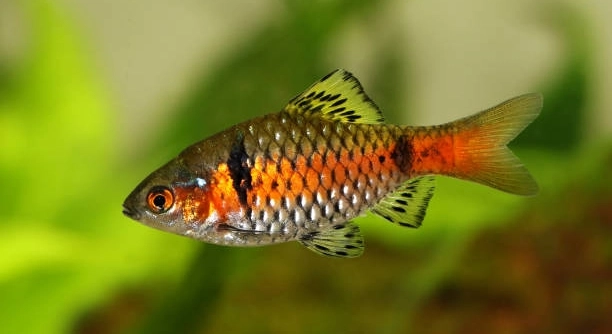
Are your rosy barbs struggling to stay active and healthy during the colder months, even with proper food and care routines?
Rosy barbs can survive in cooler water, but they do not thrive in it. These tropical fish prefer temperatures between 72°F and 82°F, and prolonged exposure to colder conditions can weaken their immune systems and affect their behavior.
Understanding their temperature needs can help prevent stress and health issues, ensuring your rosy barbs stay lively and comfortable in their tank.
Why Rosy Barbs Struggle in Cold Water
Rosy barbs are tropical freshwater fish that come from warm regions, so cold water isn’t ideal for their long-term health. When kept in temperatures below 70°F, they often become sluggish and less active. Cold water affects their metabolism, making it harder for them to digest food properly. Over time, this can lead to digestive problems and weight loss. Their immune systems also become weaker in colder temperatures, increasing the risk of diseases like ich or fin rot. Although rosy barbs are more tolerant of temperature drops than some tropical fish, extended exposure to cold water will likely lead to health complications. Keeping a consistent, warm environment is important for their well-being. Using a reliable aquarium heater and regularly monitoring water temperature can make a big difference. Consistency helps them stay active, maintain their color, and avoid stress-related issues caused by fluctuating or low temperatures.
In cold conditions, rosy barbs may stop eating and become withdrawn, which are early signs of stress.
A healthy tank environment includes warm water, proper filtration, and minimal temperature fluctuations. These small efforts support your rosy barbs’ comfort and reduce health concerns that often show up in cooler tanks. Understanding how temperature impacts their system helps you care for them more confidently.
Proper Tank Setup for Warmth
Consistent water temperature helps rosy barbs remain active, eat well, and show bright coloration. It also prevents sudden changes that can harm their immune system.
A tank heater is a must-have when caring for rosy barbs. Choose a heater with a built-in thermostat to keep the water between 72°F and 82°F. Regularly check the temperature with a thermometer, especially during winter months. If your home tends to get cold, place the tank away from windows or drafts to avoid sudden drops. Make sure the tank is large enough to support stable conditions—rosy barbs are active swimmers and do better in tanks of at least 20 gallons. Include gentle water flow and plenty of plants or decorations to give them space to move and hide. Weekly water changes help maintain clean conditions, which also support their health. Pay attention to their behavior—if they’re swimming smoothly and eating regularly, that’s a sign your setup is working well.
Signs Your Rosy Barbs Are Too Cold
If your rosy barbs are swimming slowly, hovering near the bottom, or refusing food, the water might be too cold for them. Dull coloration and clamped fins can also show that they’re not feeling well.
Rosy barbs are usually lively and responsive, so a sudden drop in activity is worth noting. Cold temperatures slow their metabolism, which affects how they move, eat, and even breathe. If you notice them hiding more than usual or struggling to stay balanced, check the water temperature right away. These signs often mean the tank isn’t warm enough to support their normal functions. While a short dip in temperature isn’t always dangerous, long-term exposure can lead to stress and make them vulnerable to illness. Early changes in behavior are key warnings that something may be off, and a quick adjustment can often prevent more serious problems from developing.
When rosy barbs become too cold, their immune systems slow down. This makes them more likely to develop fin rot, ich, or other infections. They might also stop eating or lose interest in swimming altogether. If they’re staying near the heater or avoiding the main part of the tank, it’s another sign they’re trying to warm up. Temperature stress can cause internal damage over time, even if symptoms seem mild at first. Reacting quickly to these signs gives them the best chance to bounce back. Always use a thermometer and adjust the heater when needed to avoid long-term issues. Healthy rosy barbs will swim actively, eat regularly, and interact with each other in the tank.
How to Warm the Water Safely
Raising the temperature too fast can shock your rosy barbs. Aim to increase it gradually—no more than 1–2°F every few hours. Sudden changes create more stress than steady, controlled adjustments.
Use a high-quality, adjustable heater with a built-in thermostat. If the water is too cold, turn the heater up slowly, checking the temperature every few hours. Keep the tank covered to hold in warmth, and move it away from windows or cool drafts. You can also float sealed bags of warm water in the tank for a short time to help raise the temperature gently. Avoid using hot tap water directly—it can change the chemistry of the tank and shock the fish. Patience is key. Let your fish adjust naturally. If their behavior improves after warming the tank, it’s a sign that the process is working. A stable, warm tank helps keep them comfortable and reduces stress.
How Cold Is Too Cold for Rosy Barbs
Anything below 70°F starts to create problems for rosy barbs. While they can survive short dips, long exposure below this range weakens their immune systems and affects their energy, appetite, and overall behavior.
Temperatures under 65°F are considered unsafe. At that point, they may stop eating altogether, become sluggish, and show signs of stress.
Do Rosy Barbs Need a Heater?
Yes, rosy barbs need a heater in most indoor setups. Room temperatures often drop too low, especially at night or during colder months. A reliable heater keeps the water stable within the 72°F to 82°F range. Without one, water temperatures can fluctuate too much, which puts stress on the fish. Heaters with built-in thermostats are best for maintaining the right temperature. Even if your house feels warm, tank water usually cools faster and doesn’t stay consistent. A consistent, warm environment helps rosy barbs stay active, colorful, and less prone to illness. A small investment in a heater makes a big difference in their health.
What Happens If You Don’t Use a Heater
Without a heater, rosy barbs become sluggish, lose color, and are more likely to get sick. The colder it gets, the more their behavior and health will decline.
FAQ
Can rosy barbs survive in outdoor ponds?
Rosy barbs can survive in outdoor ponds during warmer months, but they don’t do well in cold climates without extra care. If temperatures regularly fall below 70°F, you’ll need a pond heater or bring them inside for the colder season. Ponds should also be deep enough to prevent sudden temperature swings. In mild climates where water temperatures stay in a safe range, they may do fine year-round. However, it’s important to monitor conditions closely, as even one cold night can cause stress or illness. A backup plan is always a good idea if you’re keeping them outside.
Do rosy barbs hibernate in cold water?
No, rosy barbs do not hibernate. If they become still and less active in cold water, it’s a sign of stress or health decline. Their metabolism slows down, but this isn’t the same as hibernation. In the wild, they live in warmer waters and stay active year-round. Cold conditions can make them appear motionless or unresponsive, but this isn’t natural or safe for them. If your rosy barbs are acting this way, check the temperature and slowly warm the tank. Long-term exposure to low temperatures can lead to infections or organ damage if not corrected quickly.
How can I tell if my tank temperature is too low?
Use a thermometer to check your tank’s temperature at least once a day. If your rosy barbs are acting sluggish, hiding, or losing their color, the water might be too cold. Other signs include refusing food, clamped fins, or hovering near the heater. Don’t rely on room temperature—tank water loses heat faster than air. Digital thermometers with probes are more accurate than stick-on strips. If the temperature is below 70°F, raise it slowly using a heater. Always monitor both fish behavior and temperature readings to make sure conditions stay stable and safe.
Can I use a space heater to warm the room instead of a tank heater?
You can, but it’s not the most reliable solution. A space heater might help maintain the room’s air temperature, but water still cools down faster, especially overnight. Without a tank heater, you’ll likely see more temperature fluctuations, which can harm your fish. Using a dedicated aquarium heater is safer and more effective. If you still use a space heater, make sure the room stays warm at all times, not just during the day. A combination of both might help in colder environments, but the tank heater is what keeps the water temperature truly steady.
Are rosy barbs hardier than other tropical fish in colder water?
Yes, rosy barbs are considered more tolerant than many tropical fish. They can handle brief temperature drops better than delicate species like neon tetras or gouramis. However, “hardier” doesn’t mean they thrive in cold water. Long-term cold exposure still causes health problems. They may survive a short chill, but over time, their energy, immune response, and appetite decline just like with other fish. If you notice signs of distress or changes in behavior, don’t ignore them because rosy barbs seem “tougher.” Their health depends on consistent care, just like any tropical species.
How fast should I raise the temperature if it drops too low?
Raise the temperature slowly—no more than 1–2°F every few hours. Too fast, and you risk shocking your fish. Use your heater’s thermostat and check readings regularly. Avoid adding hot water directly, as it can create sudden spikes. If your heater isn’t responding fast enough, consider using warm water bags or increasing the room temperature slightly. Be patient and consistent. A gradual increase gives your rosy barbs time to adjust and reduces their stress. Monitoring their behavior during this process also helps you know if the changes are helping or if more adjustments are needed.
What’s the best temperature range for rosy barbs?
The ideal temperature range for rosy barbs is between 72°F and 82°F. They remain active, colorful, and healthy within this window. Try to avoid the extremes on either end—staying closer to the middle of the range often gives the best results. Sudden changes or constant fluctuation, even within this range, can still be stressful. Use a quality heater and thermometer to maintain consistency. If you’re keeping other fish with your rosy barbs, make sure their temperature needs align. Stability is more important than chasing a perfect number, so aim to keep the tank within a safe, steady zone.
Final Thoughts
Rosy barbs are beautiful and active fish, but they do best in warm water. While they may survive a small dip in temperature, they won’t thrive in cold conditions. Keeping the water between 72°F and 82°F helps support their energy, color, and overall health. A stable, warm environment also protects them from stress-related illnesses, which are more common when the tank temperature drops too low. Using a heater is the easiest and most reliable way to maintain the right conditions, especially if you live in a colder area or experience seasonal temperature changes indoors.
Cold water affects more than just how your fish behave. It slows down their immune systems, reduces their appetite, and makes them more likely to get sick. You might notice your rosy barbs swimming less, hiding more, or even refusing to eat when the tank gets too cold. Over time, this leads to poor health and possibly even loss. That’s why it’s important to watch for early signs and act quickly. Regular temperature checks and a good heater make a big difference. These small steps go a long way in keeping your fish healthy and active.
Understanding the needs of rosy barbs helps create a better home for them. They are generally hardy, but they still need the right conditions to stay strong. Cold water may not cause instant problems, but long-term exposure can have lasting effects. A warm, stable tank not only keeps them happy but also prevents many avoidable issues. Even if your tank looks fine from the outside, small temperature changes can affect the fish inside. By staying consistent with care and checking the temperature regularly, you’ll give your rosy barbs the comfort they need to thrive.

Hello,
If you enjoy the content that we create, please consider saying a "Thank You!" by leaving a tip.
Every little bit helps us continue crafting quality advice that supports the health, happiness, and well-being of pets around the world, for pets of all shapes, sizes, and species.
We really appreciate the kindness and support that you show us!