
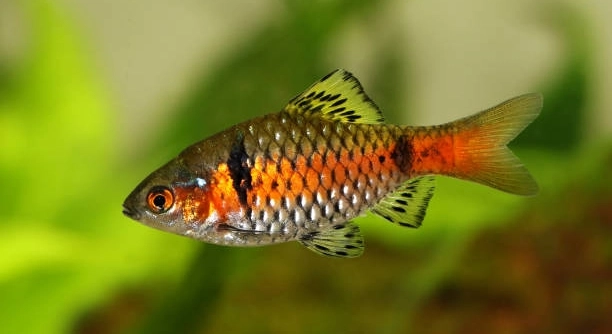
Rosy barbs are popular freshwater fish often kept by beginners. Many wonder if these lively fish can thrive in small fish bowls at home. Their vibrant colors and active nature make them a favorite for casual fish keepers.
Rosy barbs cannot live healthily in bowls due to limited space, poor oxygen levels, and unstable water conditions. Proper care requires larger tanks with filtration and enough room for swimming and growth. Bowls do not meet these essential needs.
Knowing why bowls are unsuitable helps ensure rosy barbs remain healthy and happy. Understanding their needs is important for anyone considering keeping these colorful fish.
Why Bowls Are Not Suitable for Rosy Barbs
Rosy barbs need space to swim actively and grow. Bowls usually have a very small volume of water, which limits their movement and causes stress. Without enough room, fish can develop health problems and may become weak. Bowls also lack proper filtration, leading to poor water quality. Waste builds up quickly in such a small space, which can harm the fish. Additionally, oxygen levels in bowls tend to be low because of the small surface area exposed to air. This makes it hard for rosy barbs to breathe comfortably. Temperature can fluctuate rapidly in bowls, causing further stress. In a well-maintained tank, water conditions remain more stable. This helps fish live longer and stay healthy. Even though bowls look simple and attractive, they do not meet the basic needs of rosy barbs or most other fish species.
Keeping rosy barbs in bowls often results in short, unhealthy lives. A proper aquarium is necessary to provide a safe environment.
Providing enough space, clean water, and stable conditions supports the natural behavior and wellbeing of rosy barbs, making an aquarium the better choice.
The Ideal Environment for Rosy Barbs
Rosy barbs thrive best in tanks of at least 20 gallons. A larger tank helps maintain stable water conditions and allows for proper filtration and aeration. This setup ensures waste is removed and oxygen levels stay high, promoting better health. Tanks also offer more space for swimming, which is vital for their activity and growth.
Maintaining a clean, well-filtered tank is key to preventing illness. Regular water changes and monitoring water parameters keep the environment safe. Adding plants and decorations provides hiding spots and reduces stress. Proper lighting and a balanced diet complete their care. Investing in an aquarium designed for fish creates a suitable habitat where rosy barbs can flourish. This setup respects their natural needs and helps them display their bright colors and lively behavior over time.
Common Problems When Keeping Rosy Barbs in Bowls
Rosy barbs often suffer from poor health in bowls due to cramped space and unstable water quality. These conditions can lead to stress, illness, and even early death. Without proper care, their vibrant colors fade and behavior changes.
Poor oxygen levels in bowls cause respiratory problems. Ammonia and nitrate quickly build up because waste is not filtered out properly. This toxic environment weakens their immune system. Stress from overcrowding and lack of hiding spots also lowers their resistance to disease. Many owners notice their rosy barbs become lethargic or develop fin rot. Additionally, temperature swings in bowls add to the fish’s discomfort and health risks. These problems highlight why bowls are not a good choice for keeping rosy barbs long-term.
A proper tank with filtration, stable temperature, and enough space prevents these issues. Regular maintenance is crucial for the fish’s survival and happiness.
How to Set Up a Better Home for Rosy Barbs
Choose a tank of at least 20 gallons to give rosy barbs enough room to swim freely and stay active. Install a good filter to keep the water clean and oxygenated. Regular water changes help maintain stable conditions.
Use a heater if needed to keep water temperature steady, ideally between 64 and 72°F. Add plants and decorations to create hiding places that reduce stress. Avoid overcrowding by limiting the number of fish according to tank size. Feeding a balanced diet with quality flakes or pellets supports their health. Testing water regularly for ammonia, nitrites, and nitrates is important to catch problems early. With proper care and setup, rosy barbs will thrive and show their natural colors vividly in a healthy environment.
Why Bowls Cause Stress for Rosy Barbs
Bowls limit movement and cause crowding, which stresses rosy barbs. Stress weakens their immune system, making them more prone to illness. Without space to swim and hide, fish feel vulnerable and anxious.
The lack of stable water conditions in bowls also increases stress. Sudden temperature and chemical changes affect their health negatively.
Signs of an Unhealthy Rosy Barb in a Bowl
Unhealthy rosy barbs often lose their bright color and become sluggish. Fin damage, unusual swimming patterns, and lack of appetite are common signs. These symptoms usually result from poor water quality and stress caused by the bowl environment.
Choosing the Right Tank Size
A tank of 20 gallons or more is ideal for rosy barbs. This size provides enough space for active swimming and helps maintain better water quality.
Monitoring Water Quality Regularly
Keeping an eye on water parameters helps prevent problems. Regular testing ensures safe living conditions for rosy barbs.
FAQ
Can rosy barbs live in small bowls?
Rosy barbs cannot live well in small bowls. Bowls lack enough space for swimming and proper filtration, which are necessary for their health. The water in small bowls changes quickly, causing stress and poor living conditions. A larger tank is needed for them to thrive.
How big should a tank be for rosy barbs?
A tank should be at least 20 gallons for a small group of rosy barbs. This size offers enough room for swimming and helps keep the water stable. Bigger tanks make it easier to maintain good water quality and give the fish a better environment.
What water temperature is best for rosy barbs?
Rosy barbs prefer water temperatures between 64 and 72°F (18 to 22°C). Keeping the temperature steady within this range helps reduce stress and supports their immune system. Sudden temperature changes can harm their health.
Do rosy barbs need a filter?
Yes, a filter is essential. It helps remove waste and toxins, keeping the water clean and oxygenated. Without filtration, waste builds up quickly, causing unhealthy conditions. Filters also help maintain stable water parameters.
How often should I change the water?
Changing 20-30% of the water every week is a good practice. Regular water changes keep ammonia and nitrate levels low and prevent harmful buildup. This supports a healthy environment for rosy barbs and helps prevent disease.
Can rosy barbs live with other fish?
Rosy barbs are peaceful but active fish. They do well with other medium-sized, non-aggressive fish that share similar water needs. Avoid very small or very slow fish, as rosy barbs can be too boisterous around them.
What do rosy barbs eat?
Rosy barbs eat a varied diet including flakes, pellets, frozen, and live foods. A balanced diet helps maintain their health and vibrant colors. Feeding small amounts 2-3 times daily is best to avoid overfeeding.
Why do rosy barbs lose color?
Loss of color often means stress or poor water quality. Illness, poor diet, or unsuitable tank conditions can cause dullness. Improving water parameters and nutrition usually restores their bright colors.
How many rosy barbs should I keep together?
Rosy barbs are schooling fish and feel safer in groups of at least five. Keeping fewer can cause stress and aggressive behavior. A group also encourages natural swimming and social activity.
Is a bowl ever okay for any fish?
Bowls are generally not good for fish long-term because they offer poor living conditions. Some species can survive briefly, but most fish, including rosy barbs, need larger, filtered tanks to stay healthy and live longer.
Final Thoughts
Keeping rosy barbs in bowls is not a good idea. Bowls are too small and cannot provide the space these fish need to swim freely. Without enough room, rosy barbs can become stressed and unhealthy. Stress weakens their immune system, making them more likely to get sick. Bowls also have poor water quality because they lack proper filtration. Waste builds up quickly in such a small space, which harms the fish. Temperature and oxygen levels also change fast in bowls, creating an unstable environment. All of these factors make it hard for rosy barbs to live a healthy life in a bowl.
A proper tank is essential for rosy barbs to thrive. A tank of at least 20 gallons gives them enough space to swim actively and grow. Larger tanks also help maintain better water quality by allowing for filters and proper aeration. Filters remove harmful waste and keep the water clean, which is important for the fish’s health. Keeping the water temperature stable between 64 and 72°F supports their wellbeing. Adding plants and decorations provides hiding spots, reducing stress and encouraging natural behavior. Regular water changes and monitoring water quality help maintain a safe and healthy environment.
If you want rosy barbs to live long and healthy lives, it is best to avoid bowls and invest in a proper aquarium setup. Taking the time to create a good habitat shows care and helps the fish display their bright colors and lively behavior. With enough space, clean water, and stable conditions, rosy barbs can thrive and be a beautiful addition to your home. Understanding their needs and providing the right environment makes all the difference in their health and happiness.

Hello,
If you enjoy the content that we create, please consider saying a "Thank You!" by leaving a tip.
Every little bit helps us continue crafting quality advice that supports the health, happiness, and well-being of pets around the world, for pets of all shapes, sizes, and species.
We really appreciate the kindness and support that you show us!