
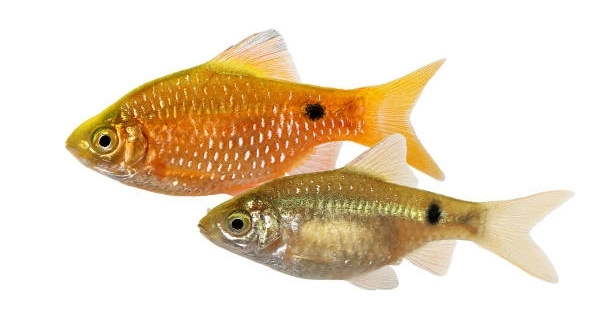
Have you ever sat near your aquarium and noticed your rosy barbs swimming around more excitedly when you walk by with their food?
Rosy barbs can learn to recognize feeding time through consistent routines and environmental cues. Over time, they associate specific patterns—such as light changes or movement near the tank—with being fed, displaying anticipatory behavior.
This learned behavior shows how simple routines can influence your fish’s daily habits and responses, adding a fascinating layer to their care and interaction.
How Rosy Barbs Respond to Patterns
Rosy barbs are active fish that thrive on regular routines. When feeding happens at the same time each day, they start to associate certain actions—like a person approaching the tank or the room lights turning on—with food. Over time, these cues become signals that feeding is about to happen. This kind of learned behavior is common in many animals, including fish. With consistency, your rosy barbs may begin to swim toward the surface or show more movement when they sense it’s time to eat. This doesn’t happen overnight, but with patience, the change becomes clear. Watching their behavior during these moments can help you understand what they’ve picked up. It’s also a good way to check that your fish are healthy and alert. When they no longer respond to feeding cues, it could signal stress or illness. Learning their habits can help you care for them more effectively.
This behavior is not based on instinct alone—it develops from repeated exposure to certain actions before feeding.
The ability to recognize patterns shows how adaptable rosy barbs are in home aquariums. Many owners notice changes in their fish’s behavior within just a few days of consistent feeding times. As this continues, the cues become stronger. Rosy barbs might start to gather in specific corners of the tank or swim with more intensity when they expect food. Some may even link the sound of the container opening with mealtime. These are signs of conditioned learning, which helps create a more interactive experience between you and your fish. Establishing these routines benefits both you and your fish—feeding becomes easier to manage, and your fish remain active and engaged. The key is to keep the signals consistent. Changes in timing or environment may confuse them or delay their response. By sticking to a clear schedule and minimizing distractions, your rosy barbs will likely continue responding to feeding cues with excitement and energy.
Why It Matters for Their Care
Consistent feeding cues can help reduce stress in your rosy barbs, especially in new or changing environments.
Routine plays an important role in the overall health of aquarium fish. For rosy barbs, predictable feeding times can promote regular digestion and reduce aggressive behavior during feeding. When fish know when to expect food, they’re less likely to compete or become overly anxious. This stability in routine creates a calmer tank environment. In group settings, this is especially helpful, as it lowers the risk of injury or bullying among fish. It can also improve water quality—if you feed at set times, it’s easier to manage how much food goes into the tank, which keeps excess waste to a minimum. Rosy barbs also stay more active and alert with regular feeding cues. Observing how they respond each day gives you useful information about their well-being. If behavior suddenly changes, it might signal something is wrong, allowing for quicker adjustments to care or setup.
Reinforcing Feeding Time Cues
Using the same feeding container, walking a certain way toward the tank, or turning on a specific light can all act as helpful signals for your rosy barbs. Repeating these steps builds a clear routine they start to follow.
Over time, these small, repeated actions become triggers for the fish. They begin to connect the sight or sound of the container with food. Even your footsteps can become part of the routine if you’re consistent. This kind of repetition works best when done at the same time each day. If you change things too often—feeding at random times or switching up your cues—it may confuse them and slow down their response. The goal is to make each feeding session feel familiar and expected. These habits are easy to build and make tank care smoother, especially if others in your home are involved in feeding too.
As these habits take hold, your fish become more predictable in their actions. They might swim to the same part of the tank or group together when they sense it’s time to eat. Watching them respond to your movements or the opening of the food container can be a simple but enjoyable part of your day. It shows that your efforts are working and your rosy barbs feel secure. This consistency not only helps their behavior but also gives you a clear routine to follow. Even when you’re in a rush, these cues make feeding faster and easier. Over time, this routine becomes second nature for both you and the fish.
When Feeding Habits Get Disrupted
Sometimes changes in the tank environment, like lighting or noise, can affect how your rosy barbs respond. If their usual cues are missing or altered, they may become confused or stop reacting to feeding time.
Disruptions can come from small things, such as moving the tank, changing the room setup, or switching the type of food you use. Even skipping feeding for a day or two can cause them to lose track of the pattern. You might notice they no longer swim to the usual spot or don’t respond when you walk by. If this happens, the best way to reset their routine is by going back to your original cues—same time, same light, same container. It may take a few days, but with patience, they will likely fall back into their old habits. Rebuilding trust through routine helps keep your rosy barbs healthy, calm, and easy to care for long-term.
Observing Changes in Behavior
If your rosy barbs stop responding to feeding cues, it might be a sign of stress, illness, or water quality issues. It’s important to notice these shifts early so you can act quickly and adjust their care as needed.
Paying attention to their daily habits helps you catch problems before they grow.
Supporting a Healthy Routine
Feeding routines are more than just habit—they support your fish’s overall health. Consistent meal times help with digestion, reduce stress, and keep the tank more peaceful. It also makes cleaning easier, since excess food won’t be floating around from random feedings. Your rosy barbs benefit from structure, just like other pets. If you live with others, it helps to agree on a schedule so the fish aren’t overfed. Watch how they respond after each feeding. If they remain active, alert, and swim normally, it’s a good sign your routine is working well. Small adjustments over time can make a big difference in their well-being.
Final Notes on Feeding Cues
Routine feeding habits build trust, improve health, and make it easier to care for your rosy barbs each day.
How quickly can rosy barbs learn to recognize feeding time?
Rosy barbs can start showing signs of recognizing feeding cues within a few days to a week if the routine is consistent. The key is repetition—feeding at the same time, using the same signals, and keeping the environment stable. Some fish might take longer, but regular patterns help speed up the learning process.
What are common feeding cues that rosy barbs respond to?
They often respond to visual and auditory cues, like the sight of a feeding container, the sound of food hitting the water, or even the light turning on near the tank. Movement near the tank, such as your footsteps or hand gestures, can also become signals that food is coming.
Can feeding routines reduce aggression in rosy barbs?
Yes, predictable feeding schedules help reduce stress and aggression. When fish know when to expect food, they compete less and show calmer behavior. Inconsistent feeding can lead to frantic chasing or fighting as they compete for unexpected meals.
What happens if feeding times are irregular?
Irregular feeding times can confuse rosy barbs and cause stress. They may become less responsive or even aggressive during feeding. It can also affect their digestion and overall health. Keeping a steady schedule is best for their well-being.
Can rosy barbs forget feeding cues?
If routines are interrupted for long periods, rosy barbs can lose their learned response to feeding cues. Changes like moving the tank, switching food types, or varying feeding times can disrupt their habits. Returning to consistent signals helps rebuild these behaviors.
Is it necessary to use the same type of food during feeding time?
While using the same food can help reinforce feeding cues, it is not strictly necessary. However, sudden changes in food can sometimes affect their interest and response to feeding. Gradual changes work better if you want to switch food types.
How do environmental changes affect feeding recognition?
Changes like lighting, noise, or water quality can interfere with how well rosy barbs recognize feeding time. Stress from these changes may make them less responsive or alter their behavior. Maintaining a stable environment supports consistent feeding habits.
Can all fish in the tank learn feeding cues, or only rosy barbs?
Most fish, including rosy barbs, can learn feeding cues if they are part of a consistent routine. However, different species may respond differently depending on their behavior and intelligence. Rosy barbs tend to be active and responsive, making them good learners.
What should I do if my rosy barbs stop responding to feeding cues suddenly?
First, check water conditions and overall health for any signs of illness or stress. Make sure feeding routines haven’t changed. If needed, reset the routine by feeding at regular times with clear signals and avoid distractions. Patience is important while they relearn.
Can feeding cues improve bonding between owner and fish?
Yes, regular feeding routines with clear cues create interaction opportunities. Fish recognize your presence and movements, which can strengthen familiarity and reduce stress. This makes caring for them more enjoyable and rewarding.
How much food should I feed during each session?
Feed only as much as your rosy barbs can eat within 2 to 3 minutes. Overfeeding can cause water quality issues and confuse their feeding behavior. Small, measured amounts help maintain their health and reinforce predictable feeding.
Are there signs that my fish are well-adjusted to feeding routines?
If your rosy barbs swim actively toward feeding spots, show excitement when cues happen, and eat their food promptly, they are well-adjusted. Calm behavior and consistent appetite are good indicators of a healthy routine.
Is it helpful to involve family members in maintaining feeding schedules?
Absolutely. Having everyone follow the same feeding routine ensures consistency, which is key for the fish to learn cues. It also prevents overfeeding or skipped meals, both of which can disrupt behavior and health.
Can environmental enrichment affect feeding recognition?
Yes, a stimulating environment with plants or decorations can help reduce stress and make fish more alert. Alert fish are better at learning feeding cues and responding appropriately. Just avoid clutter that blocks the view of feeding signals.
What should I avoid when trying to teach feeding cues?
Avoid changing feeding times, locations, or signals frequently. Don’t introduce loud noises or sudden movements that can startle fish. Also, avoid overfeeding, which may cause your fish to ignore cues or develop unhealthy habits.
Is it possible to train rosy barbs to feed on command?
To a degree, yes. With consistent cues and repetition, rosy barbs can learn to respond quickly when they recognize feeding signals. This makes feeding more efficient and shows how adaptable these fish can be.
How does feeding recognition affect the overall aquarium environment?
When feeding is predictable, fish behavior is calmer, which helps maintain better water quality and reduces stress. A stable environment encourages healthier fish and makes tank maintenance easier for you.
Can feeding recognition cues help in identifying health issues?
Yes, changes in how your rosy barbs respond to feeding cues can be early signs of illness or stress. If they stop reacting or lose interest, it’s a good idea to check water quality and their physical condition.
How long should I wait before deciding a feeding cue is working?
Give your rosy barbs at least a week of consistent feeding at the same time with clear signals. Many will start showing recognition during this period. If no change occurs, consider adjusting your cues or checking other factors like environment or health.
What if I have multiple species in the tank? Will feeding cues work for all?
Feeding cues can work with multiple species, but some fish may respond differently. Rosy barbs usually react well, but other species may need different routines or signals. Observe each species to find what works best for your aquarium setup.
Feeding routines play an important role in caring for rosy barbs. When feeding happens regularly at the same time each day, fish can learn to recognize the signs that food is coming. These signs might be the sound of the food container opening, the light turning on near the tank, or your footsteps as you approach. Over time, the fish begin to associate these signals with feeding. This helps reduce their stress and makes feeding easier for both you and the fish. Consistent routines also encourage healthy behaviors and improve their overall well-being.
When rosy barbs learn to recognize feeding time, they become more active and alert. They may swim to the surface or gather in one area of the tank, waiting for food. This response shows they feel comfortable and safe in their environment. Watching your fish respond to feeding cues can be a rewarding experience. It strengthens the connection between you and your fish and helps you better understand their needs. Maintaining clear and simple feeding signals helps keep their routine stable. If feeding times or signals change often, the fish can become confused or stressed. Keeping things consistent helps them stay healthy and happy.
Sometimes disruptions happen, such as changes in the environment or feeding schedule. These can cause your rosy barbs to stop recognizing their feeding cues. When this occurs, it is important to return to a regular feeding schedule and familiar signals. Patience is key, as it may take a few days for the fish to adjust again. Regular care, good water quality, and attention to their behavior all help support their learning and health. By keeping a steady routine and observing your fish closely, you can provide a calm and healthy home where your rosy barbs thrive.

Hello,
If you enjoy the content that we create, please consider saying a "Thank You!" by leaving a tip.
Every little bit helps us continue crafting quality advice that supports the health, happiness, and well-being of pets around the world, for pets of all shapes, sizes, and species.
We really appreciate the kindness and support that you show us!