
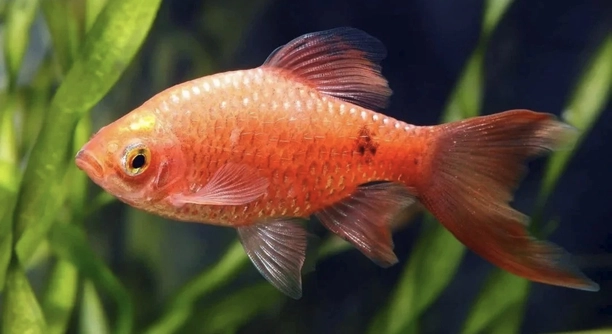
Rosy Barbs are popular freshwater fish often kept in home aquariums. Many fish owners like to observe their behavior and wonder if these lively fish can learn routines or recognize patterns in their environment. Understanding their learning ability can improve care and interaction.
Rosy Barbs have the capacity to learn simple routines through repetition and consistent environmental cues. Their behavior can adapt over time, showing responses to feeding times or certain signals, which indicates basic learning and memory functions within these fish.
Learning about how Rosy Barbs respond to routines helps owners create a better environment. Recognizing their ability to adapt can lead to more engaging and healthier care practices for these colorful fish.
How Rosy Barbs Learn Through Routine
Rosy Barbs learn routines mainly by associating certain cues with events like feeding. When fish are fed at regular times, they begin to recognize patterns and anticipate mealtime. This helps reduce their stress and increases activity during feeding. These fish also respond to environmental changes, such as light cycles or tank noises, by adjusting their behavior accordingly. Repetition and consistency are key in helping Rosy Barbs form habits. If a particular action, like tapping the tank, is always followed by food, they will start to connect the two. This learning is not as complex as in mammals but is enough for them to adapt well to home tanks. Owners can encourage these behaviors by maintaining a stable environment and predictable schedule. This creates a comfortable atmosphere that supports the fish’s natural ability to learn simple routines.
Fish respond best when changes are small and consistent over time.
Keeping a steady routine benefits Rosy Barbs by reducing stress and increasing interaction during feeding. It also helps owners observe the fish’s behavior more closely and notice any changes that might signal health issues. Consistent routines create a positive environment that helps fish thrive and makes caring for them more rewarding.
Training Tips for Rosy Barbs
Training Rosy Barbs requires patience and repetition. Start by establishing fixed feeding times each day. Use a distinct cue like tapping the tank or shaking the food container to signal feeding. Over time, the fish will learn to associate this cue with food. Keep sessions short and consistent to avoid confusing the fish. Avoid sudden changes in environment or schedule, as this can stress them. You can also introduce mild stimuli, such as moving a finger near the glass, to encourage interaction. However, the key is consistency. It may take several weeks for Rosy Barbs to show reliable responses, so be patient and observe closely. Training should be gentle and never cause stress or harm to the fish. Remember, their learning capacity is limited but noticeable when routines are clear and predictable.
Recognizing Signs of Learned Behavior
Rosy Barbs show learned behavior through consistent reactions to feeding cues and tank routines. These responses indicate memory and adaptation in their daily habits.
Fish quickly link actions like tapping or light changes to food, showing anticipation and readiness. This behavioral conditioning is subtle but clear with repetition. Over time, they swim closer to the source of the cue, waiting for feeding. This change in activity helps owners know the fish are adapting to their environment. Watching for these signs can improve care and interaction by reinforcing positive routines. Recognizing learned behavior helps in creating a calm and responsive aquarium atmosphere.
Additionally, learned responses help reduce stress during routine tank maintenance. When fish expect certain activities, they adjust their behavior, which benefits their overall wellbeing and makes managing the aquarium smoother.
Common Mistakes When Establishing Routines
Inconsistent feeding times confuse Rosy Barbs and disrupt their ability to learn routines. Irregular cues or changes in environment cause stress and unpredictable behavior. Avoid sudden changes in light schedules or tank layout during training periods. Overfeeding during training can reduce their motivation to respond to cues. Small, frequent feedings work better to reinforce habits. Patience is essential since rushing training may cause frustration for both fish and owner.
Ignoring subtle signs of stress like hiding or reduced activity delays progress. Regular observation helps catch these issues early, allowing for adjustments in routine. Keeping a stable environment supports learning and health. A calm tank with consistent cues helps Rosy Barbs thrive and build trust in their surroundings, leading to better interaction and enjoyment.
Benefits of Routine for Rosy Barbs
Routines help Rosy Barbs feel secure and reduce stress in their environment. Predictable schedules make their behavior calmer and more consistent.
Regular feeding times and cues improve fish health and encourage natural activity. This makes daily care easier and more enjoyable for both fish and owner.
How Environment Affects Learning
A stable environment supports Rosy Barbs in forming routines. Consistent lighting, temperature, and tank setup reduce confusion and stress. Sudden changes can disrupt learning and lead to erratic behavior.
Maintaining clear, calm surroundings helps fish focus on cues and adapt to routines faster. This creates a balanced space where they can thrive and learn simple habits.
Encouraging Interaction Through Routine
Using predictable cues during feeding encourages Rosy Barbs to interact more with their environment and their owner. This strengthens their learning and trust.
Avoid Overstimulating Your Fish
Too much noise or activity near the tank can stress Rosy Barbs and hinder their ability to learn routines.
FAQ
Can Rosy Barbs recognize their owner?
Rosy Barbs can learn to recognize the presence of their owner, especially if the owner regularly feeds them or interacts with the tank. They respond to familiar movements and cues near the aquarium. This recognition is linked to their routine rather than true personal identification.
How long does it take for Rosy Barbs to learn a routine?
It usually takes a few weeks of consistent practice for Rosy Barbs to show reliable responses to routines. Regular feeding times and repeated cues help them associate signals with food or activity. Patience and consistency are essential during this period.
What kind of cues work best for training Rosy Barbs?
Simple cues such as tapping on the tank, shaking the food container, or switching on a light work well. These actions should be consistent and always followed by feeding to reinforce the connection. Complex or irregular cues may confuse the fish.
Can Rosy Barbs be trained to perform tricks?
While Rosy Barbs are not capable of complex tricks, they can learn simple behaviors like swimming to a certain spot for food. Their learning is limited to basic conditioning and routine recognition, but this can still be rewarding for owners.
Is it harmful to try to train Rosy Barbs?
Training Rosy Barbs is generally safe if done gently and with respect for their stress levels. Avoid overstimulating them or changing routines abruptly. The process should be positive, focusing on feeding times and calm interaction.
What happens if the routine is broken?
If feeding or environmental routines are suddenly changed, Rosy Barbs may become stressed or confused. This can result in less activity, hiding, or changes in appetite. Reestablishing a consistent routine usually helps them recover quickly.
Do all Rosy Barbs learn routines equally well?
Individual fish may vary in their ability to learn. Some Rosy Barbs adapt quickly to cues and schedules, while others may be slower or less responsive. Factors like age, health, and personality play a role.
Can routines improve the health of Rosy Barbs?
Yes, routines reduce stress and encourage regular feeding, both of which are important for good health. Consistency helps fish maintain natural behaviors and avoid issues caused by unpredictable environments.
How do I know if my Rosy Barbs are stressed?
Signs of stress include hiding more than usual, loss of appetite, erratic swimming, or faded colors. If these occur after changes in routine or environment, it’s important to return to stability and monitor closely.
Are there other fish that learn routines better than Rosy Barbs?
Some fish, like goldfish or bettas, may show stronger learning responses and more interaction. Rosy Barbs have moderate learning ability but respond well to simple routines compared to many other species.
Rosy Barbs are capable of learning simple routines through consistent cues and repetition. Their ability to recognize feeding times or certain signals shows they have a basic level of memory and adaptation. This learning helps them adjust to their environment and makes caring for them easier. When routines are clear and steady, Rosy Barbs tend to be more active and less stressed. This creates a calm and comfortable tank atmosphere where they can thrive. By understanding their learning capacity, owners can improve their fish’s daily life and wellbeing.
Creating and maintaining a routine for Rosy Barbs requires patience and consistency. Fish do not learn quickly like some pets, but with regular schedules, they can develop habits that benefit both them and their owners. Small, repeated actions like tapping the tank before feeding or keeping feeding times the same each day help fish associate those cues with food. Avoiding sudden changes in the tank environment or schedule is important to prevent stress. A stable environment supports learning and allows Rosy Barbs to feel secure. This security is important for their health and behavior.
Incorporating routines into caring for Rosy Barbs can deepen the connection between fish and owner. While their learning is simple, these fish do respond to predictable signals and show signs of anticipation. This interaction makes aquarium keeping more engaging and enjoyable. Maintaining consistency in care routines not only supports the fish’s health but also allows owners to notice changes in behavior that might signal health problems. Overall, routines benefit Rosy Barbs by promoting natural behavior, reducing stress, and encouraging a healthy and balanced aquarium environment.

Hello,
If you enjoy the content that we create, please consider saying a "Thank You!" by leaving a tip.
Every little bit helps us continue crafting quality advice that supports the health, happiness, and well-being of pets around the world, for pets of all shapes, sizes, and species.
We really appreciate the kindness and support that you show us!