
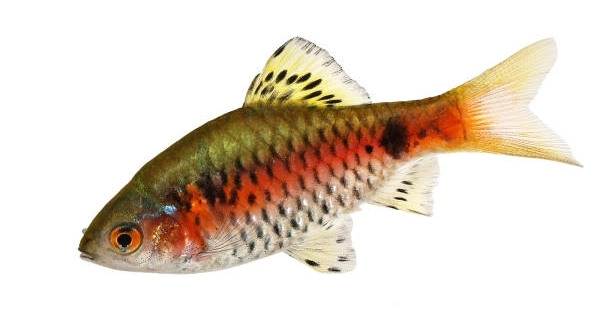
Rosy barbs are colorful freshwater fish popular in home aquariums. Many fish owners enjoy watching their behavior and wonder how these fish adapt over time. Understanding their learning ability can improve how we care for them daily.
Rosy barbs have shown the capacity to learn simple patterns through repeated exposure. Studies indicate they can recognize feeding times and respond to visual cues, demonstrating basic associative learning. However, their pattern recognition remains limited compared to more complex species.
Knowing how rosy barbs learn can help improve their environment and overall well-being. This insight offers valuable tips for fish enthusiasts who want to create a more engaging and healthy habitat.
How Rosy Barbs Learn Patterns
Rosy barbs rely mainly on their senses to understand their surroundings. They pay attention to changes in light, movement, and sounds in their tank. Over time, they begin to associate these signals with certain events, like feeding time. For example, if you always tap the glass before feeding, they may learn to expect food after the tap. This kind of learning is called associative learning, which is common in many fish species. Their ability to remember patterns helps reduce stress by creating a sense of predictability. However, their learning is mostly limited to simple routines and does not involve complex problem-solving. Regular, consistent interactions help improve their response to these patterns, making care easier and more enjoyable. Watching them adjust to daily rhythms can be quite rewarding for anyone keeping them in captivity.
Fish tend to respond better when cues are clear and consistent. Sudden changes can confuse them and cause stress.
By keeping their environment steady and predictable, rosy barbs thrive better. Adding small cues before feeding or tank cleaning can help them feel secure. Over time, they will anticipate these events, which encourages natural behaviors and reduces anxiety. This also makes it easier to notice when something is wrong since their reactions become more reliable. Observing how they adapt to these simple patterns reveals how sensitive and smart they can be in their own way. Caregivers can gently guide this learning by maintaining routines and offering positive experiences linked to specific signals.
Signs That Rosy Barbs Recognize Patterns
Rosy barbs often show excitement near feeding time. They swim actively or gather near the surface when they recognize the usual cues.
When they start to anticipate feeding or changes in the environment, it becomes clear they are learning. These fish may swim toward the glass or follow a specific movement, showing that they expect something to happen. Over weeks, they remember the time of day and react accordingly. These behaviors prove they are not just acting randomly but have developed basic memory and recognition skills. This understanding helps owners create better care schedules. It also provides a chance to interact positively with the fish, building a routine that supports their natural habits. Watching these small changes can deepen appreciation for the animal’s intelligence and responsiveness.
Common Training Methods for Rosy Barbs
Fish respond well to routines that involve repetition. Consistent feeding times and simple cues help them learn. Using light changes or gentle tapping before feeding creates reliable signals.
Repetition is key for training rosy barbs. If you always feed at the same time and use a small cue, they start to recognize the pattern. Over days or weeks, they may swim closer or show excitement when the cue happens. This kind of conditioning works best when the signals are clear and regular. Inconsistent signals can confuse the fish, making it harder for them to learn. Simple training methods, like tapping the tank or switching the light on and off, help the fish connect the cue to the expected result. This form of learning improves their comfort and interaction in captivity.
Another method involves placing food in visible spots before feeding. This teaches the fish to follow visual cues linked to feeding time. When food appears in a certain area or container, rosy barbs begin to recognize that as a sign they will eat soon. This visual pattern adds to their learning and helps them respond faster. Over time, they get better at associating specific actions or signals with outcomes. Using both visual and auditory cues can make training more effective, as the fish engage more senses. This variety helps keep their behavior active and less stressed.
Benefits of Pattern Learning in Rosy Barbs
Recognizing patterns can reduce stress in rosy barbs. Knowing what to expect helps them feel safer in their environment.
When fish learn simple patterns, they adjust better to daily life in captivity. They experience less anxiety because their environment becomes predictable. This can lead to healthier behavior, including more active swimming and better appetite. Pattern recognition also encourages mental stimulation, which is important for their overall well-being. With less stress, rosy barbs are less likely to show signs of illness or hiding. This makes caring for them easier and more rewarding. Understanding how these fish learn can help improve their tank conditions and create a calmer space where they can thrive.
Encouraging pattern learning allows fishkeepers to build a stronger bond with their fish. Regular interactions based on consistent signals help fish trust their environment. This trust reduces fear and promotes natural behavior. When fish know what to expect, they become more responsive and lively, which is enjoyable to observe. It also helps owners notice changes in behavior that might indicate health issues. By supporting this type of learning, tank owners improve the quality of life for their rosy barbs, making their care more successful and satisfying over time.
Challenges in Teaching Rosy Barbs
Rosy barbs have limited attention spans. Training sessions need to be short and simple to keep them engaged. Complex tasks can easily confuse them.
Consistency is essential. Irregular cues or changing schedules slow down their learning process. Patience is important when working with these fish.
How Environment Affects Learning
The environment plays a big role in how well rosy barbs learn. A quiet, stable tank with minimal distractions helps them focus on cues. Too much noise or movement can stress them out and reduce their ability to recognize patterns. Clear visibility and proper lighting also support better learning since the fish rely on sight for many signals.
Signs of Stress in Rosy Barbs
Stress in rosy barbs shows as hiding, loss of appetite, or erratic swimming. These signs mean their environment or routine may need adjusting.
Can rosy barbs really learn over time?
Yes, rosy barbs are capable of learning simple patterns through repetition and consistent cues. They respond best to routine signals like tapping the tank or switching lights on before feeding. These signals help them associate certain actions with expected outcomes, such as feeding time. While their learning ability is basic compared to some animals, they do show memory of daily events and can adjust their behavior accordingly.
How long does it take for rosy barbs to learn a pattern?
The learning speed depends on the consistency of cues and the simplicity of the pattern. Usually, rosy barbs begin to show recognition within a few days to a couple of weeks. Repeating the same signals at the same time daily helps them form reliable habits. Interruptions or changing routines slow down their learning process.
What types of patterns can rosy barbs learn?
They mainly learn simple, repetitive patterns like feeding times and visual or auditory signals linked to food. For example, tapping the glass before feeding or turning a light on can become a reliable cue. They can also learn to associate certain areas of the tank with feeding. However, complex tasks or multi-step training are beyond their capability.
Do rosy barbs get stressed if their routine changes?
Yes, sudden or frequent changes in their routine or environment can cause stress. Rosy barbs prefer predictable surroundings and schedules. When their expected patterns are disrupted, they may show signs of stress such as hiding, loss of appetite, or erratic swimming. Keeping a steady routine helps reduce stress and promotes better health.
How can I help my rosy barbs learn better?
Use clear, simple cues and repeat them consistently. Feeding at the same time every day, combined with a small signal like tapping the tank or switching a light on, helps build pattern recognition. Keep training sessions short to match their limited attention span. Avoid distractions and maintain a stable tank environment to improve learning.
Can rosy barbs learn to recognize their owners?
While rosy barbs do not recognize humans like pets such as dogs or cats, they can learn to associate their owner’s presence with feeding time. They may swim towards the tank or become more active when someone approaches, showing that they remember the link between people and food.
Is it possible to train rosy barbs to do tricks?
Training rosy barbs to perform tricks is limited due to their simple learning ability. They may respond to basic cues but are unlikely to perform complex behaviors on command. Training should focus on encouraging natural behaviors like feeding routines or moving toward signals rather than expecting tricks.
What are signs my rosy barbs are learning?
When rosy barbs start swimming to the surface or a specific tank area before feeding, it shows they recognize feeding patterns. Increased activity or following a cue like a tap or light change is a good sign. These behaviors indicate memory and anticipation linked to past experiences.
Can changing tank conditions affect their learning?
Yes, sudden changes in temperature, lighting, or water quality can impact their ability to learn. Stress caused by poor conditions reduces focus and responsiveness. Maintaining stable, clean water and a calm environment supports better learning and overall health.
Are there risks to overtraining rosy barbs?
Overtraining isn’t common with rosy barbs because their learning capacity is limited. However, too frequent or long training sessions can cause stress or fatigue. Keeping sessions brief and positive ensures the fish stay comfortable and engaged without feeling overwhelmed.
How do I know if my rosy barbs are stressed from training?
Watch for hiding, reduced swimming, loss of appetite, or sudden changes in behavior. These signs mean the training routine or environment might be too stressful. If this happens, reduce training frequency, simplify cues, or improve tank conditions to help the fish relax.
Can other fish learn patterns like rosy barbs?
Many fish species can learn simple patterns, but the ability varies widely. Rosy barbs are moderately good at this, while some species like goldfish or cichlids show more advanced learning. Understanding each species’ natural behavior helps set realistic training expectations.
Does tank size affect learning?
A well-sized tank with enough space for natural movement supports better learning. Overcrowded or too small tanks can increase stress and reduce attention to cues. Providing hiding spots and clear areas helps fish feel secure and focus on training signals.
What is the best time of day to train rosy barbs?
Training works best during regular feeding times when the fish are naturally active and expect food. Morning or early evening sessions often give the best results because fish tend to be more alert and hungry. Avoid training right after major tank changes or disturbances.
Can I use food rewards to train rosy barbs?
Food is the most effective reward for training. Offering small portions immediately after the fish respond to a cue reinforces the connection. Avoid overfeeding by giving tiny amounts and maintaining a balanced diet outside training times.
How does light influence learning in rosy barbs?
Rosy barbs rely on light cues to recognize patterns. Turning the tank light on or off before feeding acts as a clear signal. Proper lighting also helps them see their environment and cues better, improving learning and reducing stress.
Rosy barbs are simple fish with a limited but useful ability to learn patterns. They respond well to consistent cues, like feeding at the same time or tapping the tank before mealtime. This helps them feel more comfortable and secure in their environment. While they can’t learn complex tricks or behaviors, they do recognize simple routines. This ability to remember small details makes caring for them easier because they start to anticipate daily events. Knowing what to expect reduces their stress and helps maintain their health over time.
It’s important to keep training and routines clear and consistent when working with rosy barbs. They do best when signals are simple and repeated regularly. Too many changes or confusing cues can cause them to become stressed or lose interest. Short training sessions are better because these fish have short attention spans. A calm, stable tank with good lighting also supports their ability to learn. When their environment feels safe and predictable, rosy barbs show more natural behavior and respond better to cues. This makes the care process smoother and more rewarding.
Understanding how rosy barbs learn patterns offers helpful insight into their needs and behavior. By using clear signals and keeping routines steady, owners can create a healthy, low-stress environment for these fish. This also allows fishkeepers to notice when something is wrong, as changes in behavior become easier to spot. While their learning skills are simple, they still play an important role in how these fish live and interact. Keeping this in mind can help anyone caring for rosy barbs provide the best possible home for them.

Hello,
If you enjoy the content that we create, please consider saying a "Thank You!" by leaving a tip.
Every little bit helps us continue crafting quality advice that supports the health, happiness, and well-being of pets around the world, for pets of all shapes, sizes, and species.
We really appreciate the kindness and support that you show us!