
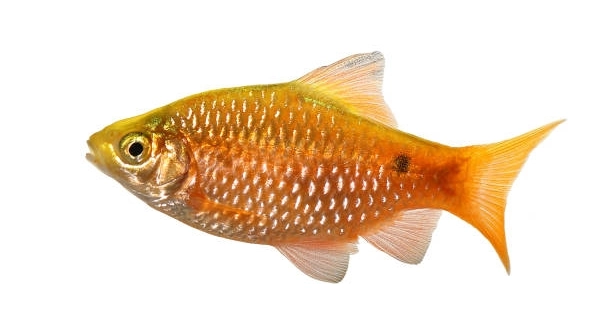
Have you ever noticed your rosy barbs behaving in unexpected ways and started wondering if they’re picking up habits from their tankmates?
Yes, rosy barbs can learn from observing other fish. Research shows that social learning plays a role in how these fish adapt to new situations, such as finding food or avoiding danger, by watching others in their environment.
Social behaviors in fish are more complex than they appear, and understanding them can improve how we care for our aquatic pets at home.
How Rosy Barbs Learn by Watching
Rosy barbs are active, social fish that often live in groups, both in the wild and in aquariums. Because of this, they tend to observe and react to the behavior of other fish around them. When one fish finds food, the others usually follow quickly. This isn’t just a coincidence. Studies show that rosy barbs can learn simple tasks faster when they watch another fish do it first. This kind of learning, known as social learning, helps them avoid danger, find food, and adjust to new environments more easily. In tanks, you might notice one fish exploring a new space or reacting to a change, and the rest doing the same shortly after. This behavior makes them easier to train and more responsive to their surroundings.
Rosy barbs often rely on group behavior for cues, and this can help them pick up new routines or habits from others.
Their ability to watch and learn also reduces stress in new situations. When a new object or change is introduced to the tank, a bold fish may approach it first. If that fish reacts calmly, others are likely to do the same. This can make tank maintenance or health treatments less disruptive overall. Watching others gives them a sense of safety and encourages confidence in unfamiliar situations. While they aren’t the most advanced learners in the animal kingdom, rosy barbs benefit a great deal from simple observation. This behavior also supports the idea that fish experience more complex decision-making than many assume, even in basic tank setups.
What This Means for Owners
Rosy barbs can become easier to care for when kept in groups that allow them to learn from each other.
Keeping your rosy barbs in a healthy group setup can lead to smoother feeding times, quicker adaptation to changes, and more consistent activity levels. Since they learn through watching, adding one trained fish to a group can help guide the others. For example, if you’re introducing a new feeding area or type of food, the more curious fish may try it first. The rest often follow. You may also find that training a few fish to swim through a hoop or approach a target can result in others picking up the behavior with little extra effort. This can be both helpful and enjoyable to watch. To support this natural behavior, offer a safe and enriched environment with a mix of visual cues, hiding spaces, and gentle changes that allow them to explore and learn comfortably.
Encouraging Learning Through Environment
Rosy barbs respond well to a stable, stimulating setup. A varied tank with plenty of plants, hiding spots, and open swimming space encourages exploration, which is key for observational learning to happen naturally.
Providing consistent routines in feeding and lighting helps them feel secure, making them more open to learning. Fish in calm, predictable environments are more likely to observe others and try new things. Use visual cues like specific feeding spots or colorful tank decorations to support memory and pattern recognition. Rosy barbs will start associating certain areas or times with activities, especially when they see other fish doing the same. This allows for smoother transitions when changes occur, like adding new tankmates or altering feeding schedules. A well-organized tank gives structure to their behavior and makes learning from others easier and more reliable.
If you want to take it further, try small training exercises. Introduce a floating ring or spot marker during feeding time. Place food near it, and allow one or two fish to find it first. Eventually, others will associate the ring with food as well. Over time, you can shape behaviors like swimming through or gathering in certain areas. The key is patience and repetition. Rosy barbs may not respond instantly, but their group-focused behavior means that what one fish learns, others tend to follow. Keep the space comfortable, avoid sudden changes, and always watch how your fish react—they’ll show you when something works.
Challenges to Keep in Mind
Not all rosy barbs will learn at the same pace. Some may stay shy or hesitant, especially in stressful environments or if the group dynamic is unbalanced.
Aggressive or overly dominant fish can interfere with learning by preventing others from exploring freely. If one fish is chasing or intimidating the others, it can lead to stress and disrupt observation. It’s important to watch how your fish interact and separate overly aggressive ones if needed. Also, rapid changes in tank setup, lighting, or routine can confuse the fish, making it harder for them to follow patterns. Stick to a regular schedule and give new additions time to adjust. Be patient with slower learners and avoid forcing behaviors. Instead, rely on the group’s natural curiosity to support learning. Proper care, space, and consistency are more effective than pressure or overhandling when trying to encourage new habits.
Signs Your Rosy Barbs Are Learning
You may notice one fish exploring a new item or space, and soon after, others do the same. This shows they’re observing and copying.
Another clear sign is when feeding habits change across the group after just one or two fish try something new.
Helping Shy Fish Learn Better
If you have timid rosy barbs, place confident fish with them during feeding or training moments. Use consistent cues like feeding rings or colored spots to build patterns over time. Keep distractions low and avoid moving decorations often. With time, even shy fish begin to follow the group’s behavior and adapt.
Why Group Size Matters
Rosy barbs do best in groups of five or more. Smaller groups may lead to stress or lack of stimulation, which slows learning.
FAQ
Can rosy barbs really learn by watching other fish?
Yes, they can. Rosy barbs often pick up behaviors by watching others in their group. This includes learning where food is placed, how to respond to changes, and even adjusting to new items or routines in the tank. While their learning ability is simple compared to mammals, their social nature makes observation a useful tool for them. You might see one fish lead the way, with others quickly following—that’s a sign they’re watching and learning from each other.
How do I know if my rosy barbs are learning something new?
You’ll notice small changes first. A few fish might approach a new item or area, then more will follow. If one fish starts eating a new type of food, the rest may soon try it as well. You might also see your fish gathering at a new feeding spot after a few days of repetition. These patterns show they’re picking up cues from one another and using them to make choices.
What helps rosy barbs learn better in a tank?
Consistency and structure are key. Use visual markers like rings, stones, or plants to help create routines. Feed at the same time each day, and try not to rearrange the tank too often. When the environment feels stable, rosy barbs are more comfortable trying new things. Having other fish that are already familiar with routines also helps—newer or shy fish will watch and slowly join in.
Do all rosy barbs learn at the same speed?
Not always. Some rosy barbs are more curious and bold, so they explore and learn faster. Others may hang back and take longer to adjust. That’s why it helps to have a balanced group, where bold fish can lead and more cautious ones can follow. If a fish seems isolated or unusually inactive, it may be stressed or unwell, which can slow learning.
Can rosy barbs learn tricks or trained behaviors?
They can learn basic behaviors, especially if food is used as a reward. For example, they can be trained to swim through a hoop or gather near a feeding ring. These actions take time and repetition, but rosy barbs respond well to patterns. Always use gentle techniques and avoid overfeeding. Keep sessions short and positive to reduce stress.
Will rosy barbs forget what they’ve learned?
They may stop following routines if the structure changes too much. If you stop using a feeding cue or move objects around often, they might lose the association. But if the environment stays consistent, they’ll keep repeating learned behaviors. Memory in fish is simpler than in humans, but it’s strong enough for daily patterns and basic habits.
What if one fish won’t follow the others?
This may happen with shy or stressed fish. Check that the water conditions are stable and that the fish is not being bullied. Also, make sure there’s enough space and hiding areas so the fish feels safe. Sometimes, just a few days of calm, routine care is enough for a hesitant fish to join in. Watching the group helps build its confidence.
Can other types of fish help rosy barbs learn?
Sometimes, yes. If the other fish are peaceful and have strong routines, rosy barbs might observe and follow them. However, not all species interact the same way, so results can vary. Stick with species known to be calm and compatible with rosy barbs. Aggressive or overly active fish can cause stress and interfere with learning.
Do baby rosy barbs learn from adults?
They can. Young fish watch and mimic older ones during feeding and exploration. This helps them adjust more quickly to the tank environment. If you’re raising fry in a shared space with adult rosy barbs, you may see them follow group behavior sooner than expected. Just be sure the adults are not aggressive toward them.
Is social learning common in other fish?
Yes, many fish species use social learning. It helps them find food, avoid predators, and navigate their environments. While not all fish rely on it the same way, species that live in groups—like rosy barbs—tend to benefit from it more. Watching others helps them respond more quickly to change without needing to experience everything directly.
Final Thoughts
Rosy barbs are more than just colorful, active fish in a tank. They show real signs of learning by watching others around them. This makes them easier to care for if you understand how they interact and learn in groups. You may not think of fish as learners, but rosy barbs prove that even small animals can pick up new habits by observing. This behavior makes feeding, adjusting to changes, and even mild training more manageable in a home aquarium. Watching one fish lead and others follow is a clear sign that social learning is taking place.
Creating a stable environment is one of the best ways to support learning in rosy barbs. When the tank stays consistent, with regular feeding times and a familiar layout, they feel safe enough to explore and try new things. Over time, they start linking certain cues—like the sight of a ring or a sound—with a specific activity. This builds simple habits that help both the fish and the owner. When you give them space to observe, learn, and follow each other, they begin to behave more confidently. Even shy fish can come out of hiding once they see others staying calm and active.
As you care for your rosy barbs, keep in mind that their learning isn’t instant. It takes patience and regular routines to help them build new behaviors. Don’t worry if some fish take longer to catch on. Not all fish will learn at the same pace, and that’s okay. Focus on keeping the group balanced and the environment steady. When done right, the group dynamic encourages the whole tank to adapt more easily. Watching your fish respond and grow in this way can also make the care process more enjoyable. You’ll begin to see that these small behaviors are signs of something bigger—a group of fish learning together, one step at a time.

Hello,
If you enjoy the content that we create, please consider saying a "Thank You!" by leaving a tip.
Every little bit helps us continue crafting quality advice that supports the health, happiness, and well-being of pets around the world, for pets of all shapes, sizes, and species.
We really appreciate the kindness and support that you show us!