
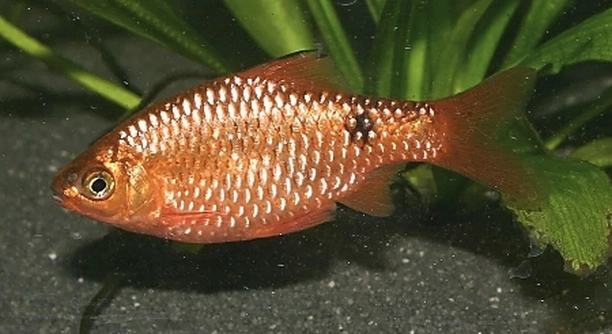
Rosy Barbs are popular freshwater fish known for their bright colors and active behavior. Many fish owners wonder if these lively creatures can learn from other fish in their community. Understanding their social habits helps improve care and tank harmony.
Rosy Barbs can observe and adapt to some behaviors of other fish, but their learning capacity is limited compared to more social species. Their interactions mainly focus on basic social cues rather than complex learning from others.
Exploring how Rosy Barbs respond to other fish offers insight into their needs and tank dynamics for better fishkeeping experiences.
Social Behavior of Rosy Barbs
Rosy Barbs are naturally active and social fish. They prefer to live in groups of five or more, which helps reduce stress and aggressive behavior. When kept alone or in too small a group, they may become shy or more aggressive. Their schooling nature means they swim together, often mirroring movements, which creates a lively and harmonious environment in the tank. Rosy Barbs respond to simple signals from their tank mates, such as changes in swimming speed or direction, which helps maintain group cohesion. However, their social behavior is mostly instinctual rather than learned from other species. These fish do not usually imitate complex behaviors or habits from different types of fish, but they do adjust their activity levels depending on the other fish around them. Keeping Rosy Barbs with peaceful, similarly sized fish tends to create a balanced community that benefits all tank inhabitants.
Their social instinct makes them easier to care for when kept in proper groups, which reduces stress and promotes natural behavior.
Watching how Rosy Barbs interact within their group can give clues about their mood and well-being. If they seem restless or isolated, it often points to an unsuitable tank setup or incompatible tank mates. Offering enough space and hiding spots can encourage healthier social interactions. While they don’t learn complex behaviors from other fish, their ability to respond to social cues helps them fit into community tanks smoothly. This balance is essential for maintaining peace in a mixed-species aquarium.
Learning Abilities Compared to Other Fish
Rosy Barbs have limited learning abilities compared to highly social or intelligent fish like cichlids or some catfish species. They mainly rely on instinct and simple responses to environmental changes. For example, they quickly learn to recognize feeding times and can adapt to tank routines. However, complex behaviors such as problem-solving or mimicking other fish’s actions are rare. Rosy Barbs are more focused on survival instincts like avoiding predators and maintaining their place within the group. While other species may demonstrate curiosity or tool use, Rosy Barbs remain straightforward in their behavior patterns. Their ability to learn is functional but basic, meaning they benefit more from stable environments than from challenges or new stimuli. This makes them good for beginners but less interesting for those seeking highly interactive fish.
Despite these limits, their social nature ensures they still thrive in community tanks where simple communication matters most.
Interaction with Other Species
Rosy Barbs generally coexist well with peaceful fish of similar size. They prefer active tank mates but can sometimes show mild aggression toward slower or smaller fish. Compatibility depends on the personality of individual fish and tank conditions.
Tank setup influences how Rosy Barbs interact with other species. Providing enough space and hiding spots reduces stress and aggression. When housed with calm fish like tetras or danios, Rosy Barbs tend to focus on schooling and play rather than chasing. However, they might nip at slow-moving fish with long fins, such as bettas or guppies. It’s important to monitor their behavior and separate any fish that show signs of stress or injury. The goal is to create a peaceful community where all fish can thrive without unnecessary conflict.
In mixed-species tanks, Rosy Barbs’ active nature can encourage more movement and energy, which benefits the overall tank environment. Their presence often stimulates other fish to be more active, making the aquarium livelier. Still, balancing species temperament and tank space is essential to avoid problems. Proper care and observation help maintain a healthy community where Rosy Barbs and their neighbors live comfortably.
Training and Conditioning Rosy Barbs
Rosy Barbs respond well to regular feeding routines, quickly learning to associate the presence of their owner or feeding tools with mealtime. This simple conditioning helps reduce stress and makes feeding easier. They can recognize specific sounds or motions related to feeding, which encourages prompt activity at feeding times. While not trainable in complex tasks, this behavior shows their ability to adapt to predictable events.
Using positive reinforcement, like feeding after tank cleaning or maintenance, can help Rosy Barbs stay calm during potentially stressful times. Offering a varied diet also improves their responsiveness and overall health. They appreciate foods like flakes, pellets, and occasional live treats, which keep them interested and active.
Though they don’t perform tricks or respond to commands, Rosy Barbs can become accustomed to their environment and routines, making care simpler. Their ability to learn basic patterns enhances their well-being and helps create a stable aquarium atmosphere. Regular interaction through feeding time builds a quiet bond between fish and owner.
Recognizing Tank Mates’ Behavior
Rosy Barbs can notice simple behaviors from other fish, like changes in swimming speed or hiding patterns. They use these cues to adjust their own actions, mostly to avoid danger or maintain group harmony.
They respond better to calm and consistent tank mates. Sudden or aggressive behavior can cause stress or trigger defensive actions in Rosy Barbs.
Impact of Environment on Learning
A stable environment helps Rosy Barbs react better to social cues and routines. Clear water, proper temperature, and enough space reduce stress and improve their ability to notice and respond to other fish. Unstable conditions lead to confusion and erratic behavior, limiting any chance of learning.
Role of Feeding in Social Learning
Feeding time is an important social moment for Rosy Barbs. Watching how other fish feed can influence their own feeding behavior, encouraging quicker or more competitive eating.
Signs of Stress in Rosy Barbs
Stress in Rosy Barbs often shows through hiding, reduced activity, or fin damage. These signs indicate problems with tank mates or environment.
FAQ
Can Rosy Barbs learn to recognize their owner?
Rosy Barbs can become familiar with their owner’s presence and routine, especially around feeding time. They may swim toward the glass or become more active when they see the owner approaching. This behavior is a form of simple conditioning, not true recognition. They learn to associate specific sights or movements with food but do not form bonds like some other pets might.
Do Rosy Barbs learn from aggressive fish in the tank?
Rosy Barbs generally avoid aggressive fish rather than learning from them. Aggression usually causes stress or defensive behavior. While they can recognize when a tank mate is aggressive and adjust by swimming away or hiding, they do not imitate aggressive behavior. Maintaining peaceful tank mates helps Rosy Barbs stay calm and healthy.
Can Rosy Barbs be trained to perform tricks?
Training Rosy Barbs to perform tricks is very limited. They respond best to routine feeding schedules and simple conditioning but do not have the cognitive ability for complex tasks or tricks. Their behavior is mostly instinct-driven, so attempts at trick training may cause frustration for both fish and owner.
How do Rosy Barbs communicate with each other?
Rosy Barbs communicate through body language and movement. Changes in swimming speed, direction, or posture signal mood or warnings. Schooling closely together shows social bonding, while sudden bursts of speed can signal alarm. They do not use sound or color changes like some fish but rely heavily on visual cues.
Is it important to keep Rosy Barbs in groups?
Yes, Rosy Barbs thrive in groups of at least five. Group living reduces stress, encourages natural schooling behavior, and prevents aggression. Alone, they become shy or stressed, which can affect their health. Group dynamics also allow them to interact socially, which supports their well-being.
Can Rosy Barbs learn to avoid predators?
Rosy Barbs have natural instincts to avoid predators, often swimming away or hiding when threatened. While this behavior is not learned from other fish in the tank, it is a survival skill they possess. In home aquariums, large aggressive fish should be avoided to prevent stress and injury.
Do Rosy Barbs respond to environmental changes?
Rosy Barbs react quickly to changes in water quality, temperature, or lighting. Stress from poor conditions can cause them to hide or behave erratically. Stable and clean environments help them stay calm and responsive. Sudden changes can confuse them, limiting their ability to adapt or learn.
How do Rosy Barbs behave during feeding?
During feeding, Rosy Barbs become more active and competitive, especially in groups. They quickly learn feeding routines and may swim eagerly when food is introduced. Watching other fish eat can prompt faster feeding responses. Providing enough food for all helps reduce stress and aggression during mealtime.
Can Rosy Barbs recognize other fish species?
Rosy Barbs can distinguish between different fish by size, shape, and behavior. They respond differently to peaceful fish versus aggressive or slow-moving species. This recognition helps them decide when to school, avoid, or compete. However, this recognition is basic and not based on complex learning.
What is the best way to encourage positive behavior in Rosy Barbs?
Creating a stable environment with proper tank mates and feeding routines encourages positive behavior. Avoid overcrowding, provide hiding spots, and maintain water quality. Regular feeding at consistent times helps them feel secure and responsive. Observing their interactions allows adjustments to keep the tank peaceful and healthy.
Rosy Barbs are lively fish that add color and movement to any freshwater tank. Their behavior is mostly guided by instinct and simple social cues rather than complex learning. While they do not learn complicated tasks or mimic other fish, they do respond well to routine and stable environments. Keeping them in groups helps reduce stress and encourages natural schooling behavior, which is important for their health. Understanding their limits in learning and social interaction helps fish owners provide better care and a more peaceful tank.
A calm, well-maintained tank with compatible tank mates supports Rosy Barbs’ natural behavior and reduces aggression. They respond to simple signals from their environment and other fish, but they do not imitate or adopt new behaviors from them. Feeding routines and predictable tank conditions help Rosy Barbs feel secure and active. Offering a varied diet and enough space encourages good health and lively behavior. Attention to their environment is key to maintaining their well-being and making sure they thrive in a community tank.
Overall, Rosy Barbs are a good choice for those who want active, colorful fish that do well in groups but do not require complicated training or special learning conditions. They adapt best when kept with peaceful fish and in tanks that offer enough room to swim and hide. While they won’t perform tricks or learn from other species, they respond to social cues and routine, making them enjoyable and relatively easy to care for. Providing proper care, space, and compatible tank mates helps ensure Rosy Barbs stay healthy and vibrant.

Hello,
If you enjoy the content that we create, please consider saying a "Thank You!" by leaving a tip.
Every little bit helps us continue crafting quality advice that supports the health, happiness, and well-being of pets around the world, for pets of all shapes, sizes, and species.
We really appreciate the kindness and support that you show us!