
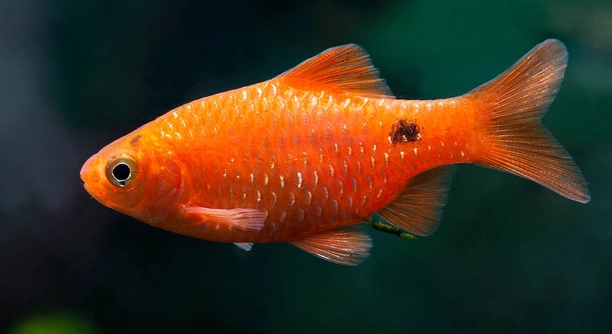
Rosy barbs are colorful and active freshwater fish popular in home aquariums. Many fishkeepers want to understand if these fish can learn specific feeding schedules to improve care and feeding efficiency in their tanks. This article explores that idea.
Rosy barbs are capable of recognizing feeding times through repeated exposure and routine. Their ability to learn depends on consistent cues, such as the presence of the keeper or specific environmental signals, which helps condition them to expect food at set intervals.
Knowing how rosy barbs adapt to feeding routines can help improve aquarium management and overall fish well-being. This article will guide you through how these fish respond to scheduled feeding.
Understanding Rosy Barbs’ Learning Ability
Rosy barbs have a natural ability to recognize patterns in their environment. When feeding occurs regularly at the same time and place, these fish begin to associate certain signals, such as the sound of food containers or the presence of a person, with mealtime. This conditioning takes place over several days or weeks, depending on how consistent the feeding schedule is. Rosy barbs can become alert and gather near the feeding area even before food is introduced. This behavior shows they have learned to anticipate feeding times. However, sudden changes in feeding times or environment can disrupt this pattern, causing confusion. Keeping a steady routine helps maintain their learned behavior and reduces stress, contributing to healthier and more active fish. Consistency and patience are key factors in encouraging rosy barbs to recognize feeding times effectively.
Rosy barbs’ learning is primarily based on repetition and environmental cues. They respond best to regular schedules and familiar signals.
Recognizing how rosy barbs learn can improve their feeding habits. A stable routine encourages anticipation and reduces stress. Understanding their response helps maintain their health and happiness over time.
Setting Up a Feeding Schedule
Establishing a clear feeding schedule is essential to help rosy barbs learn when to expect food. Feeding at the same time every day creates predictability for the fish. It is important to choose times that fit your daily routine to ensure consistency. Overfeeding should be avoided, as it can lead to health issues and reduce the fish’s motivation to respond to feeding cues. Measuring food portions and distributing them evenly keeps the environment clean and supports proper nutrition. Watching the fish during feeding helps identify whether they are responding to the schedule or showing signs of stress or disinterest. Adjustments can then be made to improve the feeding process.
Consistency in feeding times helps develop a natural rhythm for rosy barbs. Repeated exposure strengthens their ability to learn.
Feeding schedules not only help the fish but also benefit the keeper by providing a clear routine. Maintaining a regular schedule supports the fish’s natural behavior and health. When fish recognize feeding times, it can improve their activity and interaction. This routine can also reduce waste and maintain water quality. Using gentle cues such as tapping the tank or shaking the food container can reinforce the schedule. Over time, these cues become signals for feeding, further enhancing the fish’s learning. Adapting the schedule to fit both your lifestyle and the fish’s needs will create a balanced feeding environment that supports the well-being of rosy barbs.
Signs Rosy Barbs Have Learned Feeding Times
Rosy barbs show clear signs when they learn feeding schedules. They swim eagerly near the feeding spot before food appears and react to familiar cues like the sound of a food container. This anticipation reflects their ability to associate routine with mealtime.
Over time, these fish become more active and alert around feeding time. They may even follow the person who usually feeds them or gather in a specific tank area. This behavior shows they recognize the routine and expect food soon. However, they may lose interest if feeding times change frequently or if cues are inconsistent. Maintaining a steady schedule strengthens their response and makes feeding a predictable, stress-free event.
When rosy barbs expect food, they usually stop other activities and focus on feeding areas. This learned behavior improves their overall activity and well-being, making tank management easier and more enjoyable.
Common Mistakes in Feeding Routines
Inconsistent feeding times confuse rosy barbs and reduce their ability to learn schedules. Feeding at irregular intervals can lead to stress and lack of anticipation. Overfeeding causes waste buildup and unhealthy fish, while underfeeding weakens them.
Using too many distractions or changing feeding locations often disrupts their routine. Fish need a calm and predictable environment to associate cues with food. Ignoring signs of stress or poor appetite can worsen problems. Proper portion control and clear feeding signals improve fish health and maintain a clean tank.
Regular monitoring helps avoid mistakes and ensures rosy barbs respond well to their feeding schedule. Adjustments can be made by observing behavior and tank conditions to keep feeding times effective and beneficial for the fish.
Benefits of a Consistent Feeding Schedule
A regular feeding schedule helps rosy barbs develop a healthy routine and reduces stress. Predictable feeding times encourage natural behavior and keep fish active. This consistency supports better digestion and overall well-being.
Keeping to set feeding times also improves water quality. Less leftover food means fewer toxins in the tank, promoting a cleaner, healthier environment for your fish.
How to Reinforce Feeding Time Cues
Use gentle signals like tapping the tank or shaking the food container before feeding. These actions become familiar to the fish and prepare them for mealtime. Over time, rosy barbs respond quickly to these cues, gathering near the feeding spot even before food appears.
Adjusting Feeding Times When Needed
If feeding times must change, do so gradually. Shift the schedule by small increments over several days to help fish adjust. Sudden changes can cause confusion and stress.
Avoid Overfeeding Risks
Overfeeding can harm rosy barbs by polluting the water and causing health issues. Feed moderate portions to maintain fish health and tank cleanliness.
FAQ
Can rosy barbs really learn feeding times?
Yes, rosy barbs can learn feeding times through consistent routines and repeated exposure. When feeding happens at regular intervals, they start associating certain cues—like the sound of food or your presence—with mealtime. This conditioning makes them alert and active around feeding time.
How long does it take for rosy barbs to learn feeding schedules?
It usually takes a few days to a couple of weeks for rosy barbs to recognize feeding routines. The key factor is consistency. Feeding at the same times every day with the same signals helps them quickly form this habit. Interruptions or irregular feeding can delay learning.
What signals help rosy barbs know it’s feeding time?
Common signals include the sound of food containers, tapping the tank, or simply your approach. These cues become associated with feeding after repeated use. Over time, rosy barbs respond by gathering near the feeding area or swimming eagerly before food is offered.
Is it okay to feed rosy barbs multiple times a day?
Feeding rosy barbs two times a day is usually sufficient. Overfeeding can lead to poor water quality and health problems. Smaller portions given consistently encourage healthy eating habits and help maintain a clean tank environment.
What happens if I feed them at different times every day?
Feeding at different times can confuse rosy barbs, making it harder for them to learn feeding schedules. This inconsistency might cause stress and reduce their anticipation of food. A regular schedule keeps them active and less anxious.
Can rosy barbs remember feeding times if I change their schedule?
They can adapt to new feeding times, but sudden changes can cause temporary confusion. Gradually shifting the feeding schedule by small increments over several days helps them adjust more easily without stress.
How can I tell if rosy barbs are stressed by feeding routines?
Signs of stress include sluggishness, hiding, loss of appetite, or erratic swimming. If feeding times or routines cause these behaviors, consider adjusting the schedule or minimizing disturbances during feeding.
Should I use specific food to encourage learning feeding times?
Using a consistent type of food can help reinforce feeding routines. Rosy barbs respond well to flakes, pellets, or live foods. Offering the same food regularly creates predictability, aiding their learning process.
Can environmental changes affect their feeding schedule learning?
Yes, changes like new tank mates, water conditions, or tank rearrangements can disrupt feeding habits. Stability in the environment supports better learning. Sudden or frequent changes may cause the fish to lose their routine and feel stressed.
Is it necessary to monitor how much they eat?
Monitoring food intake prevents overfeeding and keeps rosy barbs healthy. Uneaten food pollutes the water and increases maintenance. Offering measured portions daily helps maintain balance and supports their well-being.
What should I do if rosy barbs stop responding to feeding cues?
If they stop responding, check for environmental stressors or health issues. Reestablish a consistent feeding schedule and use clear signals. Sometimes, refreshing the routine after disruptions helps reset their learned behavior.
Can rosy barbs learn to feed from different locations in the tank?
They can adapt to feeding in different spots, but consistency aids learning. Changing feeding locations often may confuse them. If moving feeding areas, do it gradually and keep other cues consistent for easier adjustment.
Do younger rosy barbs learn feeding times faster than older ones?
Younger fish tend to adapt more quickly to new routines due to higher activity levels and curiosity. Older fish can learn too, but may require more time and patience to form strong feeding associations.
How important is patience when teaching rosy barbs feeding times?
Patience is crucial. Consistency over days or weeks allows fish to form habits naturally. Rushing the process or changing routines often can hinder learning and cause stress, so steady and calm repetition is best.
Can feeding routines improve the bond between keeper and rosy barbs?
Yes, regular feeding times with familiar cues help build trust. Fish become comfortable and may even recognize their keeper. This interaction encourages natural behavior and enhances tank enjoyment.
Is it possible to train rosy barbs to respond to hand feeding?
Some rosy barbs can learn to take food from the keeper’s hand after repeated, gentle attempts. This requires patience and a calm approach to avoid startling the fish. Hand feeding strengthens feeding cues and interaction.
Are there risks in changing feeding routines frequently?
Frequent changes can stress rosy barbs and disrupt their learned behavior. This may lead to poor appetite, lower activity, and health issues. Stability in feeding routines supports their well-being and reduces tank maintenance problems.
How do I know if the feeding routine is working?
Signs include fish eagerly anticipating food, gathering near feeding areas, and maintaining healthy activity levels. Clear responses to feeding cues show the routine is effective. Monitoring fish behavior helps confirm success.
What is the best way to start a feeding schedule with rosy barbs?
Begin by feeding at the same times daily, using clear signals like tapping the tank. Offer moderate food portions and observe their response. Maintain this pattern for several weeks to establish a solid routine.
Can feeding schedules help reduce aggression in rosy barbs?
Consistent feeding times can reduce competition and aggression by providing clear expectations. When fish anticipate food together, they tend to focus on eating rather than fighting, improving tank harmony.
Do rosy barbs need special care if they miss a feeding time?
Missing a single feeding usually isn’t harmful if it doesn’t happen often. However, regularly skipping feeding times can stress the fish and affect health. Keeping a steady schedule helps avoid these issues.
Final Thoughts
Rosy barbs have the ability to learn feeding times through consistency and repeated cues. Their natural behavior allows them to associate specific signals, such as the sound of food or the presence of a keeper, with mealtime. When fed regularly at the same times each day, they quickly begin to anticipate food and become more active around feeding periods. This learned behavior not only helps keep them healthy but also makes caring for them easier. Keeping a steady feeding schedule reduces stress for the fish and creates a more predictable environment, which is important for their well-being. It also encourages their natural activity patterns and promotes better digestion.
Consistency is the key factor in helping rosy barbs learn feeding times. Feeding at irregular intervals or changing routines frequently can confuse the fish and cause stress. Overfeeding or underfeeding can also impact their ability to respond to feeding schedules. Providing moderate portions and maintaining a clean tank environment supports their health and encourages them to respond to feeding cues. Simple actions like tapping the tank or shaking the food container before feeding become familiar signals that prepare the fish for mealtime. Gradually shifting feeding times, when necessary, helps fish adjust without unnecessary stress. These small habits improve the feeding experience for both the keeper and the fish.
Understanding how rosy barbs respond to feeding routines improves overall aquarium care. A predictable feeding schedule supports their natural behaviors and promotes a healthy, active tank environment. When fish learn to expect food at certain times, they are less likely to become stressed or aggressive. This routine also helps keep water quality stable by reducing leftover food waste. Maintaining patience and observation is important to adjust feeding routines when needed. Watching for signs of stress or poor appetite allows for timely changes that benefit the fish. Overall, a consistent and thoughtful approach to feeding encourages rosy barbs to thrive in home aquariums.

Hello,
If you enjoy the content that we create, please consider saying a "Thank You!" by leaving a tip.
Every little bit helps us continue crafting quality advice that supports the health, happiness, and well-being of pets around the world, for pets of all shapes, sizes, and species.
We really appreciate the kindness and support that you show us!