
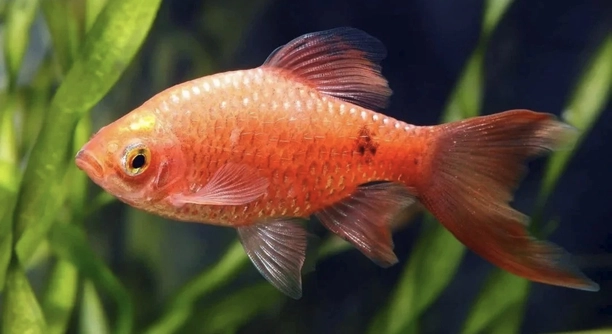
Rosy Barbs are popular freshwater fish kept in home aquariums. Many owners wonder about their senses and how they interact with their environment. Understanding their hearing abilities helps improve their care and wellbeing.
Rosy Barbs can hear sounds outside the tank to some extent. Their inner ear detects vibrations and low-frequency sounds transmitted through water and glass. However, their hearing is limited compared to terrestrial animals due to the tank’s physical barriers.
Knowing how Rosy Barbs perceive sounds beyond their tank helps fish owners create a more comfortable environment for these lively pets.
How Rosy Barbs Hear Sounds
Rosy Barbs detect sounds mainly through their inner ear and lateral line system. The inner ear helps them sense vibrations in the water, while the lateral line detects movement and pressure changes around them. Sound travels faster in water than in air, but the glass tank walls affect how these sounds reach the fish. Sounds outside the tank cause vibrations in the water, which the Rosy Barbs can sense to some degree. However, higher-pitched noises or sudden loud sounds may not transmit clearly because the tank absorbs or reflects much of the sound energy. This means Rosy Barbs rely more on vibrations and low-frequency sounds than on hearing specific noises as humans do. Understanding this helps aquarium owners keep the environment calm and avoid stressing the fish with loud or abrupt external noises.
Their hearing helps them respond to changes around the tank, improving their awareness and safety.
Adjusting noise levels near the tank can support healthier behavior and reduce stress for Rosy Barbs.
Impact of Sound on Rosy Barbs Behavior
Rosy Barbs are sensitive to vibrations and sounds, which can influence their behavior in the aquarium. Loud noises or frequent disturbances outside the tank may cause them to hide or become more active and stressed. They might also swim erratically or stay near the bottom until the environment feels safe again. On the other hand, soft, steady background sounds usually do not bother them. The tank’s filtration and air pumps create constant low-level noise that they get used to. Keeping external noise low near the tank helps maintain calm and natural behaviors in Rosy Barbs. Avoid tapping on the glass or sudden loud sounds, as these can startle the fish. Creating a stable sound environment supports their well-being and encourages normal social interactions within the group. Observing how your Rosy Barbs respond to noise changes is a good way to understand their comfort level.
Providing a quiet and peaceful environment helps keep Rosy Barbs happy and healthy over time.
Noise Sources Around the Tank
Common noise sources near the tank include household appliances, conversations, and music. These sounds create vibrations that can reach the water inside the aquarium.
Household noises often produce a range of sound frequencies. Low-frequency sounds, such as those from refrigerators or air conditioners, transmit vibrations more effectively through the tank walls. These constant vibrations may become background noise for Rosy Barbs, allowing them to adjust over time. Higher-frequency sounds, like voices or music, may not penetrate the tank as strongly but can still startle the fish if sudden or loud. It is important to monitor how your fish respond and reduce sudden loud noises around the aquarium to avoid stressing them.
Besides external sounds, tank equipment like filters and air pumps add consistent background noise. This helps mask other noises and can make Rosy Barbs feel more secure in their environment.
Tips to Reduce Stress from Noise
Positioning the aquarium away from noisy areas helps minimize stress for Rosy Barbs. Choose a quiet room or corner with less foot traffic and fewer sound interruptions. Avoid placing the tank near speakers, TVs, or heavy appliances.
Using sound-absorbing materials, like rugs or curtains near the tank, can also reduce vibrations. Regularly maintain tank equipment to keep noise levels low and consistent, as loud or irregular sounds from pumps or filters can disturb the fish. Creating a calm environment with minimal sudden noises supports the natural behavior and health of Rosy Barbs, making them more comfortable and less likely to show stress responses.
Signs of Hearing Sensitivity in Rosy Barbs
Rosy Barbs may react to sudden sounds by darting around or hiding. These quick movements often signal discomfort or stress caused by noise.
If they stay still or lose interest in food after loud sounds, it could indicate they are unsettled by the noise.
How Tank Setup Affects Sound Transmission
The materials and size of the aquarium influence how sound travels inside. Glass tanks transmit vibrations differently than acrylic ones. Larger tanks may dampen external noise better because of the water volume. Decorations like plants and gravel also absorb vibrations, reducing sound impact. Proper tank placement and setup help control how much outside noise reaches the fish.
Conclusion on Rosy Barbs and Hearing
Rosy Barbs can hear some external sounds, but the tank limits this ability.
FAQ
Can Rosy Barbs hear human voices?
Rosy Barbs can detect some vibrations caused by human voices, especially low-frequency sounds. However, because voices travel mostly through air and must pass through the tank glass and water, the fish do not hear words clearly like we do. They mainly sense the vibrations or pressure changes, which may alert them to nearby movement or activity.
Do sudden loud noises harm Rosy Barbs?
Sudden loud noises can startle Rosy Barbs and cause stress. While these noises usually do not cause physical harm, frequent exposure to loud sounds can affect their behavior and health over time. Stress may weaken their immune system and reduce appetite, so it is best to keep the environment calm and quiet.
How can I tell if my Rosy Barbs are stressed by noise?
Signs of noise-related stress include hiding, erratic swimming, loss of appetite, and lethargy. If your fish suddenly change their behavior after a loud noise or ongoing disturbances, noise could be the cause. Observing your fish closely during noisy events helps identify if they are affected.
Can aquarium equipment noises bother Rosy Barbs?
Yes, noisy filters, air pumps, or other equipment can stress Rosy Barbs. Constant loud or irregular sounds may disturb them. Regular maintenance to keep equipment quiet and smooth-running helps create a more comfortable environment for the fish.
Is it better to keep the tank in a quiet room?
Placing the tank in a quiet room with minimal loud noises is beneficial. It reduces sudden vibrations and noise disturbances. A calm location helps Rosy Barbs feel safe and behave naturally, which supports their overall health and wellbeing.
Do Rosy Barbs respond to music or background sounds?
Rosy Barbs may react to music or background sounds only if the vibrations are strong or sudden. Gentle and constant background noise usually does not bother them. However, loud or irregular sounds may cause stress, so it’s best to avoid playing music near the aquarium at high volume.
How does tank glass thickness affect sound transmission?
Thicker glass tends to reduce the amount of sound and vibration passing through the tank walls. This means fish in tanks with thicker glass may be less affected by external noises. Thinner glass transmits vibrations more easily, making fish more sensitive to sounds outside the aquarium.
Can decorations inside the tank help reduce stress from noise?
Yes, decorations like plants, gravel, and rocks can absorb some vibrations inside the tank. They help dampen sound and create hiding spots where Rosy Barbs can retreat if they feel threatened by noise or other disturbances.
Do Rosy Barbs get used to regular noises over time?
Rosy Barbs can habituate to consistent, low-level background noises such as filters or distant household sounds. When these noises remain steady, the fish tend to ignore them. Sudden changes or irregular noises, however, are more likely to cause stress or startle them.
What is the best way to protect Rosy Barbs from noise stress?
Keep the tank away from loud appliances, busy walkways, and speakers. Use rugs or curtains to absorb sound near the aquarium. Maintain equipment regularly to avoid loud mechanical noises. Creating a stable and quiet environment helps Rosy Barbs stay calm and healthy.
Rosy Barbs have the ability to sense some sounds and vibrations outside their tank, but their hearing is limited by the aquarium’s physical barriers. They rely mainly on detecting low-frequency vibrations through their inner ear and lateral line system rather than hearing specific noises like humans do. This means that while they can notice changes in their environment caused by sound, they do not perceive it in the same detailed way we experience. Understanding this helps fish owners create a better living space that respects the fish’s natural senses and reduces unnecessary stress.
The environment around the tank plays a big role in how Rosy Barbs respond to sound. Loud noises, sudden sounds, and vibrations can startle or stress the fish, causing changes in behavior such as hiding or erratic swimming. On the other hand, steady and low-level background noises, like the hum of filters or air pumps, are usually tolerated and even become part of the fish’s normal surroundings. Minimizing loud or abrupt sounds near the tank can make a significant difference in the wellbeing of Rosy Barbs. It is helpful to place the aquarium in a quiet area and keep noisy household activities away from it to ensure the fish feel safe and comfortable.
Taking steps to reduce noise and vibrations is an important part of good fish care. Simple actions like placing the tank away from loud appliances, using soft materials to absorb sound nearby, and maintaining equipment so it runs quietly all contribute to a healthier environment for Rosy Barbs. Providing plenty of hiding places inside the tank also helps the fish manage stress when unavoidable noises occur. By paying attention to how Rosy Barbs respond to their surroundings, owners can better support their health and natural behaviors. This careful approach helps these colorful fish thrive and enjoy a peaceful life in their aquatic home.

Hello,
If you enjoy the content that we create, please consider saying a "Thank You!" by leaving a tip.
Every little bit helps us continue crafting quality advice that supports the health, happiness, and well-being of pets around the world, for pets of all shapes, sizes, and species.
We really appreciate the kindness and support that you show us!