
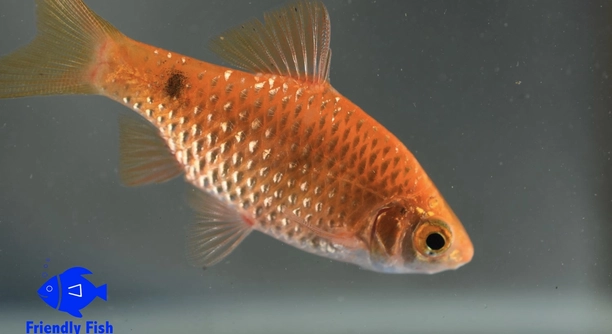
Are your Rosy Barbs acting more restless than usual, darting around or reacting strongly to movements in the room or tank changes?
Rosy Barbs can become overstimulated by excessive light, constant movement, loud sounds, or tank overcrowding. These stressors may lead to erratic swimming, aggression, or even a weakened immune response, affecting their overall health and behavior.
Understanding what triggers this behavior can help you create a calmer, healthier environment for your fish to thrive in every day.
What Causes Overstimulation in Rosy Barbs
Rosy Barbs are active by nature, but too much stimulation can stress them. Bright lighting, high foot traffic near the tank, and sudden loud noises often trigger this reaction. When their environment is constantly busy, it prevents them from settling into a regular, calm routine. Tank overcrowding is another common problem. If there are too many fish in a confined space, Rosy Barbs may compete for territory, leading to aggressive behavior. Overfeeding and fluctuating water conditions can also contribute to overstimulation. These fish need a consistent environment with enough space and structure to feel secure. Adding hiding spots, live plants, and keeping the tank in a quieter part of your home can make a big difference. By controlling these factors, you help your fish stay calm and balanced. Being mindful of their environment is one of the simplest ways to prevent overstimulation from becoming a regular problem.
Too much activity in and around the tank leaves little room for rest, which affects your Rosy Barb’s behavior and health.
Their overstimulation often shows up as fast, frantic swimming or hiding. Some may even nip at tank mates when stressed. These actions are not signs of aggression but more of a response to their surroundings. A consistent, low-stress setup helps ease this behavior over time. Avoid changing the tank layout too often or keeping the lights on for long periods. It’s also helpful to observe your Rosy Barbs at different times of the day. This lets you notice when they are most active and when they need quiet. Making slow, small changes based on what you see will help create a more balanced space for them. The goal is not to eliminate all activity but to keep it at a level your fish can manage. A stable routine and a quiet tank go a long way in helping your Rosy Barbs feel secure.
How to Calm an Overstimulated Rosy Barb
Create a more peaceful setup by adjusting light levels, reducing tank traffic, and giving your Rosy Barb enough hiding areas to retreat.
Start by moving the tank to a quieter part of the house, away from constant movement and loud sounds. Use a light timer to give them a regular day-night cycle, ideally no more than 10 hours of light per day. Add live plants or decorations that break up their view of busy rooms, helping reduce external stress. Keep tank mates peaceful and avoid overcrowding—six Rosy Barbs in a 20-gallon tank is a good balance. Stick to a consistent feeding schedule to avoid overfeeding, which adds waste and raises stress levels. Test water weekly and do small, regular water changes to keep conditions stable. Reducing reflection inside the tank can also help if they seem startled by their own image. Small, thoughtful changes over time help them settle. A calm environment supports better health, smoother behavior, and fewer signs of stress.
Signs Your Rosy Barb Is Overstimulated
Overstimulated Rosy Barbs often show sudden changes in behavior. These include fast swimming, chasing other fish, hiding more than usual, or reacting strongly to light or sound. These signs suggest they’re feeling overwhelmed in their environment.
You might notice your Rosy Barb pacing along the glass or darting around the tank for no clear reason. They may also appear restless when the room is busy or when tank lights are switched on. Some may even nip at tank mates, not out of aggression, but as a reaction to stress. Skittish movements when someone walks past or flicking against plants are also common. These behaviors are your fish’s way of showing discomfort. If this continues daily, it’s worth reviewing their tank conditions and routine. Small changes in their space can bring noticeable improvements. Observing them regularly helps catch these patterns early before they turn into long-term issues.
Stress may also affect their appetite and color. A normally bright Rosy Barb can appear dull or lose interest in food when overstimulated. You might even see changes in how they interact with others—they may isolate themselves or become overly reactive. Reduced activity at odd times of the day is another sign that something is off. If these behaviors become frequent, your fish is likely not feeling settled. Over time, this stress can impact their immune system, making them more prone to illness. Consistency, routine, and a quiet setting are key to reversing these signs. Being aware of their usual habits will help you spot when something is wrong. Adjusting tank conditions based on these cues makes a difference.
What to Avoid When Managing Their Environment
Avoid placing the tank near loud TVs, constant foot traffic, or high-use areas like kitchens or hallways. These environments stay too active for most fish and can lead to overstimulation in Rosy Barbs.
Skip frequent tank rearrangements, as constant changes confuse and stress your Rosy Barb. Avoid adding too many tank mates at once, especially if they’re fast swimmers or more dominant. Overfeeding is another problem—excess food can pollute the water and create a stressful environment. Keep water parameters steady by testing regularly and doing partial water changes weekly. Avoid using harsh tank lights or leaving them on too long. Avoid mirrors or clear backgrounds that reflect their image, which can make them feel threatened. Limit tapping on the glass or sudden hand movements around the tank. Sudden sound or light changes can also cause fear. A stable, predictable setup supports their health and creates a sense of safety.
How Overstimulation Affects Their Health
Overstimulated Rosy Barbs are more likely to get sick. Stress weakens their immune system, making them vulnerable to infections like ich or fin rot. Long-term stress can also reduce their energy levels and lead to poor eating habits.
Physical signs like clamped fins, pale coloring, or weight loss may appear. You might also notice slower swimming or increased hiding. These signs shouldn’t be ignored. A consistently calm environment helps reduce the risk of illness and supports recovery if they’re already stressed. Clean water, stable temperatures, and low disturbance levels are key to better long-term health.
Creating a Calmer Tank Routine
Stick to a regular feeding and lighting schedule each day. Avoid loud noises or fast movements around the tank. Use soft lighting and reduce unnecessary tank changes. When Rosy Barbs know what to expect, they behave more calmly and show healthier, more balanced activity throughout the day.
When to Step In
If your Rosy Barb’s stress signs continue despite changes, it may be time to assess tank mates or seek advice from an aquatic vet.
FAQ
Can Rosy Barbs become aggressive when overstimulated?
Yes, they can. When Rosy Barbs are overstimulated, they often show sudden bursts of energy or chase other fish around the tank. This isn’t true aggression but a stress reaction. If the tank is too busy or noisy, they may feel cornered or threatened, which leads to this behavior. Over time, constant overstimulation may turn into more regular chasing or nipping. Reducing tank activity and offering hiding spots helps lower this response. A calm, stable space keeps them relaxed and helps prevent these outbursts from becoming a daily problem.
How do I know if my Rosy Barb is overstimulated or just active?
Rosy Barbs are naturally energetic, but overstimulation looks different from normal activity. When overstimulated, they may dart around for long periods without resting or seem overly jumpy when you approach the tank. You might also notice unusual pacing or them hiding in corners more often. In contrast, a healthy, active Rosy Barb swims in smooth, purposeful movements and explores calmly. Overstimulation tends to come with other signs like reduced appetite, faded color, or sudden changes in social behavior. Watching them closely each day helps you spot the difference more easily.
Can tank lighting cause overstimulation?
Yes, bright or constant lighting can be overstimulating for Rosy Barbs. These fish prefer a natural day-night cycle, with about 8–10 hours of light each day. Too much lighting or sudden changes in brightness can stress them and lead to erratic behavior. If you notice your Rosy Barb becoming restless after the lights turn on, try switching to dimmer bulbs or using a light timer. Including floating plants or decorations also helps soften the light and gives them a place to rest. Keeping lighting gentle and predictable supports their well-being.
Do Rosy Barbs need time alone to settle down?
While they are social fish, Rosy Barbs do benefit from having space to retreat. If the tank is too crowded or active, they can become overwhelmed. Adding decorations like caves or thick plants gives them quiet areas to rest and recharge. They don’t need to be alone for long periods, but short breaks from constant movement or interaction help reduce stress. Just like people, they need a chance to feel safe and relaxed. Make sure your tank setup allows for both group swimming and individual hiding.
Can overstimulation make Rosy Barbs stop eating?
Yes, stress from overstimulation can lead to a loss of appetite. A Rosy Barb that normally eats eagerly might start ignoring food or eating less. This often happens when the environment is too noisy, bright, or unpredictable. Consistent feeding times, reduced distractions during meals, and a quiet space help encourage eating again. If their appetite doesn’t return after making changes, it may signal something more serious like illness. But in many cases, calming their surroundings is enough to help them feel safe and resume normal eating behavior.
Is a bubbler or air stone too stimulating for Rosy Barbs?
Not usually, but it depends on the strength and placement. A gentle flow is fine and helps oxygenate the water. However, strong bubbles or currents that constantly disturb the surface can create too much movement. This may lead to stress, especially in smaller tanks where they can’t escape the flow. If your Rosy Barbs are always avoiding the bubbler or swimming against the current, consider adjusting the settings or placing it in a different spot. A steady, gentle stream is usually best for maintaining comfort without overstimulating them.
What are some good tank mates that won’t overstimulate Rosy Barbs?
Peaceful, calm fish are the best companions. Good options include Corydoras, Cherry Barbs, and most types of peaceful tetras. Avoid fin-nipping species or overly fast swimmers that might trigger stress responses. Make sure the tank is large enough to give each group its own space. The more room you provide, the less likely it is that your Rosy Barbs will feel crowded or overwhelmed. Always monitor how they interact with new tank mates. If your Rosy Barbs become more agitated, consider removing the new fish or rearranging the tank slightly.
Do younger Rosy Barbs get overstimulated more easily?
Young Rosy Barbs are still adjusting to their environment and may be more sensitive to changes. They are also highly active by nature, which makes it harder to tell when they’re stressed. If you’ve just added them to a new tank, give them a calm setting to settle in. Avoid loud noises and keep the tank lighting low at first. Once they’ve adapted, they usually become more comfortable with regular activity. Still, keeping the tank consistent helps prevent stress in both young and adult Rosy Barbs.
Final Thoughts
Keeping Rosy Barbs calm and comfortable starts with understanding what causes them stress. Overstimulation doesn’t always happen suddenly—it builds up from things like bright lighting, loud noises, overcrowding, or constant activity around the tank. These fish are active, but that doesn’t mean they enjoy chaos. Too much movement or noise can make them feel unsafe. That stress shows up through fast swimming, hiding, or changes in color and appetite. Once you begin to notice these signs, small changes to their environment can go a long way in helping them feel better. Watching their behavior closely each day is one of the easiest ways to tell if something in their space isn’t right.
Giving Rosy Barbs a consistent routine is one of the best ways to prevent overstimulation. Keeping lights on a timer, feeding them at the same time daily, and limiting tank changes helps them feel secure. It also helps to place their tank in a quieter part of your home, away from TVs, speakers, or busy walkways. Providing enough plants, decorations, or small hiding spots allows them to rest when needed. And while they’re social fish, they still need room to move without feeling crowded. Choosing peaceful tank mates and avoiding overly active fish also helps reduce tension in the tank. Stability matters more than constant stimulation for their health and behavior.
If you notice that your Rosy Barb is acting differently and not improving with small adjustments, take a closer look at all parts of their care. Water quality, tank mates, lighting, and feeding routines all work together to shape how they feel. Most problems related to overstimulation can be managed with patience and consistency. Rosy Barbs are hardy, but they need a calm, balanced setup to stay healthy. When they feel secure, you’ll see brighter colors, smoother swimming, and stronger eating habits. Their behavior becomes more predictable, and they interact more peacefully with other fish. Creating a steady environment doesn’t take much, but it does require attention and care. In the long run, a calmer tank means healthier, happier Rosy Barbs.

Hello,
If you enjoy the content that we create, please consider saying a "Thank You!" by leaving a tip.
Every little bit helps us continue crafting quality advice that supports the health, happiness, and well-being of pets around the world, for pets of all shapes, sizes, and species.
We really appreciate the kindness and support that you show us!