
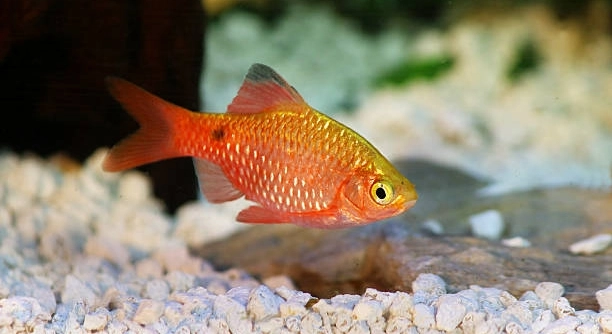
Have you ever noticed your rosy barbs acting strangely when you give more attention to other fish in the tank? These little behaviors might make you wonder if something deeper is going on beneath the surface.
Rosy barbs do not experience jealousy in the way humans do, but they may show signs of stress or aggression when tank conditions or social dynamics shift. These behaviors can be mistaken for jealousy but are typically rooted in environmental factors.
Understanding their social nature and how they interact with other fish can help you create a more balanced and peaceful tank environment.
Understanding Rosy Barb Behavior
Rosy barbs are active, social fish that often thrive in groups. They enjoy interaction and usually get along well with tankmates when the environment is stable. However, changes in tank dynamics can lead to visible shifts in their behavior. These fish may chase or nip at others if they feel stressed, overstimulated, or if the tank is overcrowded. Sometimes this behavior appears as if they are reacting to a lack of attention or the presence of new fish. But what seems like jealousy is often a response to competition for space or disrupted social order. Rosy barbs can become more dominant or territorial under certain conditions, which may confuse owners into thinking the fish is feeling left out or emotional. Providing them with the right environment, a balanced number of tankmates, and adequate space helps reduce these behaviors and encourages healthy interactions.
A peaceful tank setup allows rosy barbs to engage more naturally, reducing any signs of irritation or stress.
Understanding their tendencies will make it easier to recognize when something is off. Paying attention to how often they chase or hide, as well as their eating habits, helps you spot changes early. These cues are important in maintaining their well-being.
Signs Your Rosy Barb May Be Stressed
Chasing, fin-nipping, or hiding more than usual are often signs your rosy barb is uncomfortable or overstimulated by its environment.
In most cases, these behaviors happen when the tank is too small or the group of fish isn’t balanced. Rosy barbs do better when kept in small groups of five or more. Being alone or kept in pairs can make them anxious or more aggressive. Tank mates that are too slow or have long fins may also trigger unwanted behaviors. Environmental stressors like poor water quality or sudden changes in lighting or temperature can also impact their behavior. These fish are sensitive to their surroundings, and even small changes can cause a noticeable shift. If your rosy barb starts picking on one specific fish, it may not be out of jealousy, but rather due to a disrupted social order or lack of space. Observing their habits over time helps you pinpoint what’s influencing their behavior and make adjustments when needed.
Creating a Calm Tank Environment
A calm tank helps reduce stress-related behaviors in rosy barbs. Use plants, hiding spots, and open swimming areas to create balance. Keeping the water clean and the temperature stable also supports their overall comfort and social behavior.
Rosy barbs are more active and less aggressive when their tank environment meets their needs. Start by choosing a tank size of at least 20 gallons for a small group. Add live or artificial plants along the edges to provide cover while leaving space in the center for swimming. Avoid overcrowding, as this can increase competition and agitation. Using a gentle filter and maintaining steady lighting will also help avoid sudden disruptions. A peaceful setting allows them to form better group dynamics and reduces the chance of them acting out. When their environment is predictable and supportive, rosy barbs usually interact in calmer, more playful ways with their tankmates.
Feeding can also affect behavior. Offer food in different spots to reduce competition. Give a mix of high-quality flakes, occasional frozen foods, and plant matter. Feeding too little or only in one area can cause chasing and stress. A calm feeding routine, along with a stable tank setup, can ease tension and create a more peaceful group of fish. Rosy barbs respond well to structure, so keeping things consistent helps them feel secure.
Choosing Compatible Tankmates
Rosy barbs do best with tankmates that match their active nature. Avoid slow-moving fish or those with long fins, as they may get chased. Good matches include danios, platies, and other fast, peaceful species.
Rosy barbs are schooling fish, so keeping them in groups of five or more helps them feel secure and reduces tension. When they’re alone or kept in pairs, they often become more aggressive. Tankmates should be able to keep up with their pace and energy. Avoid species that are known to be shy or easily stressed. Aggression is less likely when rosy barbs have enough space, structure, and other fish with similar behavior patterns. Monitor interactions after introducing new fish. If chasing or fin-nipping occurs, it may help to rearrange the tank or add more plants to break up lines of sight. Selecting the right companions makes a noticeable difference in how calm and balanced the tank feels.
Watching for Behavior Changes
Paying attention to small changes in behavior can help you spot stress early. If your rosy barb becomes more aggressive, hides more often, or stops eating, it may be reacting to a problem in the tank.
Consistency helps. Feed at the same time each day and keep a regular cleaning schedule. This routine lowers stress.
When to Make Adjustments
If you notice repeated chasing, torn fins, or odd swimming patterns, it’s time to make a few changes. Start by testing the water and checking the temperature. Then, look at the number of fish and the layout of the tank. Adding more hiding spots or slightly changing the arrangement can reduce tension. If a specific tankmate is always being picked on, consider moving that fish to a different tank. Sometimes just increasing the group size of rosy barbs can stop the unwanted behavior. Small changes often make a big difference when done with care and observation.
Final Thoughts
Rosy barbs thrive in calm, balanced environments with active, compatible tankmates and enough space to swim and interact naturally.
FAQ
Can rosy barbs feel emotions like jealousy?
Rosy barbs don’t feel emotions the same way humans do. What may look like jealousy is usually a response to environmental stress, competition, or social imbalance in the tank. For example, if one fish receives more attention during feeding, others might chase or become more active. This behavior is not emotional but rather instinctual. It’s often triggered by limited resources, changes in their surroundings, or a lack of space. They act based on survival instincts, not feelings of being left out or emotionally hurt. Observing their patterns helps you respond in ways that keep them comfortable and balanced.
Why is my rosy barb chasing the same fish constantly?
Chasing often happens when there is a social imbalance, such as too few barbs in the group or when one fish appears weaker or slower. Rosy barbs need a group of five or more to stay socially stable. If they are kept in pairs or with timid fish, one may become dominant and begin harassing others. This behavior is not out of dislike or jealousy but comes from frustration, boredom, or poor tank conditions. Adding more rosy barbs and providing more cover can help spread out attention and reduce targeted chasing.
Do rosy barbs need tankmates at all?
Yes, rosy barbs are social fish that do better in groups. Keeping them alone or in small numbers can make them nervous or aggressive. A proper group gives them social comfort and helps regulate behavior. While they don’t need other species to thrive, compatible tankmates can add variety and movement that they enjoy. The key is choosing fish that are active and not easily stressed. A peaceful, energetic tank supports their natural behavior and lowers the risk of problems. Always avoid slow or long-finned fish, which can trigger unwanted chasing.
How can I tell if my rosy barb is stressed?
Common signs include hiding more often, fast or jerky swimming, faded colors, and loss of appetite. Fin-nipping or sudden aggression can also be signs of stress. It’s important to monitor any changes that happen quickly or seem unusual. Stress can come from poor water conditions, lack of space, or social tension. Testing the water regularly, keeping a regular feeding schedule, and checking the number of fish in the tank are all simple ways to catch problems early. When they’re calm, rosy barbs move smoothly, eat well, and interact with others regularly.
Can I keep rosy barbs with bettas or angelfish?
It’s best to avoid keeping rosy barbs with bettas or angelfish. These species have long fins and a slower swimming style, which may attract unwanted attention from the fast-moving barbs. Rosy barbs can become nippy, especially when curious or overstimulated, and this can cause stress or injury to slower fish. If you want to keep multiple species together, choose tankmates that are just as active and can hold their own without being aggressive. Fast, short-finned fish like danios, tetras, and mollies tend to be better companions.
How much space do rosy barbs need?
A small group of five rosy barbs needs at least a 20-gallon tank. If you plan to add more fish or mix species, go for a larger setup. Rosy barbs are very active and need space to swim freely. Cramped tanks often lead to aggression and stress. More space also helps reduce chasing and gives each fish room to establish its own area. Adding plants and decorations can break up open areas and give them places to rest. When space is adequate, their social behavior becomes more natural and calm.
What should I do if my rosy barb gets aggressive overnight?
Sudden aggression is usually a sign something in the tank changed. Check for temperature shifts, new tankmates, or changes in water quality. Also, consider whether the group size has become unbalanced. Sometimes one fish may get sick or weak, which changes the social structure. Fixing the issue might mean rearranging the tank, adding hiding spots, or separating the fish that’s being targeted. It’s also helpful to feed in multiple places to reduce food-related tension. Once things are stable again, the aggressive behavior usually fades.
Can female rosy barbs be aggressive too?
Yes, female rosy barbs can show signs of dominance, though males are usually more active and competitive. If the group is too small or if the tank is crowded, even females can begin chasing others or becoming territorial. Providing enough space and keeping a healthy balance of males and females helps reduce this behavior. Watch for signs like guarding a certain spot, chasing others repeatedly, or acting restless during feeding. Most of the time, adjusting the group or adding more hiding spots can help restore balance.
Final Thoughts
Rosy barbs are active, social fish that can bring a lot of movement and energy to a home aquarium. While they may sometimes act in ways that seem emotional—like chasing tankmates or becoming more dominant—these behaviors are usually tied to their environment. They don’t feel jealousy like humans do, but they do react to stress, space issues, or changes in group dynamics. Recognizing the difference helps prevent misunderstandings and keeps your tank balanced. When rosy barbs have enough room, stable water conditions, and the right number of companions, they are generally peaceful and playful.
Tank setup plays a big role in their behavior. A tank that’s too small or overcrowded often leads to problems like chasing or fin-nipping. Adding plants, open space, and hiding spots gives each fish a place to move freely and feel secure. Grouping them in numbers of five or more helps ease social tension and supports their natural schooling habits. Tankmates should also match their energy level. Slower or long-finned fish often become targets simply because they move differently. Choosing compatible fish makes life easier for everyone in the tank and reduces the chances of aggressive behavior from your rosy barbs.
Taking the time to watch how your rosy barbs behave each day helps you spot issues early. Changes in activity, color, eating, or social behavior often point to something that needs adjusting. It could be water quality, an imbalance in the group, or the need for more hiding spots. These small adjustments go a long way in creating a calm, healthy space for your fish. Rosy barbs respond well to consistency and structure, so feeding them at the same time each day and maintaining regular tank care makes a big difference. With the right setup and attention, rosy barbs are easy to care for and enjoyable to watch. Their social nature and energy make them a great addition to a peaceful community tank when their needs are met.

Hello,
If you enjoy the content that we create, please consider saying a "Thank You!" by leaving a tip.
Every little bit helps us continue crafting quality advice that supports the health, happiness, and well-being of pets around the world, for pets of all shapes, sizes, and species.
We really appreciate the kindness and support that you show us!