
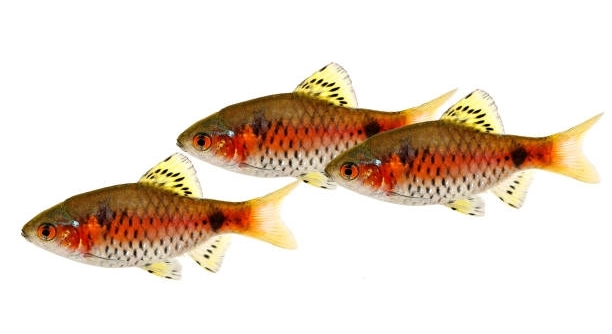
Have you ever noticed your rosy barb looking rounder than usual and started to wonder if something might be wrong?
Yes, rosy barbs can get fat. This can happen due to overfeeding, lack of exercise, or underlying health issues such as bloating or organ problems. Proper care and feeding are essential to avoid complications.
Learning how to tell the difference between a healthy fish and one that may be overweight can make a big difference in their quality of life.
Why Your Rosy Barb Might Be Gaining Weight
Rosy barbs can gain weight for a few different reasons, and it’s important to look at the full picture to understand what’s going on. Overfeeding is the most common cause. These fish have strong appetites and will often eat more than they need if food is available. A poor diet, especially one high in protein or low in variety, can also lead to unhealthy weight gain. Lack of movement plays a role too. If the tank is too small or doesn’t offer enough room to swim, your fish might not be getting the activity it needs. Sometimes, weight gain may not be related to food at all. Female rosy barbs carrying eggs will naturally appear rounder. However, this should come and go. If the swelling stays or worsens, it could point to something more serious like internal issues or bloating. Paying close attention to their habits and body shape matters.
Some swelling may look like weight gain but could actually be a sign of illness.
If your rosy barb looks bloated, especially on one side, or is swimming oddly, it might be more than just overeating. Swim bladder problems, fluid retention, or internal infections can make a fish appear fat when they’re actually sick. It’s important to note how fast the change happened—sudden swelling is a warning sign. If your fish has stopped eating, avoids swimming, or hides often, it’s worth checking water conditions and separating the fish if needed. Clean water, stable temperature, and balanced pH are key to avoiding stress that leads to illness. Observe your fish during feeding time. Are they slow or uninterested? Do they struggle to swim upward? These are clues something might be off. A vet who handles fish can help if the symptoms don’t go away with small changes in care.
What You Can Do to Help
The first thing to check is how much and how often you’re feeding your rosy barb.
Limit feedings to twice a day, offering only what they can eat in two minutes. Uneaten food should be removed right away. Stick to a varied diet with flakes, vegetables like peas (skinned and boiled), and small live or frozen foods like daphnia. Avoid feeding only high-protein items like bloodworms, as these can lead to long-term problems if overused. Check your tank size too. Rosy barbs are active swimmers and do better in groups with space to move. A 20-gallon tank or larger is ideal for a small group. Adding plants, rocks, and open areas encourages swimming and natural behavior. If your tank lacks movement, consider upgrading the filter for stronger water flow. Keep an eye on your water parameters. Poor water quality affects digestion and can make weight issues worse. Regular weekly water changes and testing help maintain a safe environment. Small, consistent changes make a big difference in your fish’s health.
How to Tell If It’s Fat or Something Else
A rosy barb that is gaining weight evenly on both sides and still swims normally is likely just overfed or inactive. Sudden swelling, especially if uneven or paired with odd behavior, could mean illness or egg retention.
Look closely at where the swelling is. If the belly is round but the fish remains active and eats normally, it’s probably weight-related. If the swelling appears more on one side or near the back end, it could be a health issue. Fish that float awkwardly, sink to the bottom, or twist while swimming often have internal problems. Females may swell before laying eggs, but this goes down within a few days. A constantly round shape that doesn’t change over time should not be ignored. Monitor behavior, appetite, and body shape over several days to help spot what’s really happening. These small details can help you respond early.
Changes in color or scale texture are also signs something might be wrong. A healthy rosy barb has smooth, shiny scales and moves with ease. If your fish starts to look dull, clamped, or swollen in the face or eyes, it may be dealing with more than weight gain. Also, look for stringy poop or signs of constipation. A cooked, skinned pea can help with mild digestive issues. If symptoms continue, isolate the fish in a separate tank to prevent spreading illness. Use a soft net to avoid injury and keep the water clean and calm. Most issues caught early can be managed with simple care steps and better feeding habits. Keep watching for any small but important changes.
Tips to Keep Rosy Barbs Healthy and Active
Active rosy barbs are less likely to gain unhealthy weight or develop stress-related issues. Keeping them in a group of at least five helps them stay social and active. A spacious tank encourages swimming and natural habits.
Add plants, smooth rocks, and open areas to give them space to move and explore. A strong filter creates gentle current, which rosy barbs enjoy and which also promotes exercise. Don’t overcrowd the tank. Too many fish in a small space leads to poor water quality and stress, both of which can impact health and behavior. Check the temperature often—between 72°F and 78°F is best for keeping them comfortable. Feed them with variety and in the right amounts, and avoid giving treats too often. Watch how they behave during feeding and swimming. Active, alert fish with good color are usually in good shape.
Routine care plays a big role in long-term health. Clean the tank weekly, even if it looks clear. Change about 25–30% of the water each time, and vacuum the gravel to remove waste buildup. Test the water regularly for ammonia, nitrites, and pH levels. A stable environment keeps their immune system strong. Be gentle when doing tank maintenance—sudden changes can stress them out. When choosing tank mates, pick peaceful species that won’t nip at fins or compete aggressively for food. If you ever need to use medication, follow the directions closely and remove any carbon filters. Keep observing your rosy barbs even when they seem fine. Staying aware of their habits will help you catch small problems early, before they become serious.
Common Mistakes That Lead to Weight Gain
Feeding too often or giving large portions can cause your rosy barb to gain weight quickly. It’s easy to overestimate how much they need, especially when they beg for food.
Relying on just one type of food, like flakes or pellets, can create an unbalanced diet.
When to Be Concerned About Bloating
If your rosy barb’s belly suddenly swells and doesn’t go down after a day or two, it could be more than just overeating. Look for signs like floating strangely, sitting at the bottom, or avoiding food. Bloating can come from constipation, egg binding, or internal infection. Treating constipation early with a cooked, peeled pea often helps. If symptoms continue, separating the fish and improving water conditions are important first steps. Medicated food or baths may be needed if an infection is suspected. Always check water quality first—bad water can make any problem worse. Fast action gives your fish a better chance of recovery.
How Tank Size Affects Rosy Barb Health
A tank that’s too small makes it hard for rosy barbs to swim, burn energy, and stay active. Small spaces also get dirty faster and can raise stress levels.
FAQ
How can I tell if my rosy barb is just full or actually overweight?
A rosy barb that’s simply full will look round right after eating but return to normal within a few hours. If your fish looks constantly plump and the belly stays round all day, it could be overweight. Watch for slow movement and check how the body looks overall—fat buildup usually shows evenly on both sides. If your fish is still active and eats normally, it may just need less food and more space to swim. Sudden or uneven swelling, however, is more likely a sign of something else.
How much should I feed my rosy barb?
Feed your rosy barb small amounts twice a day. Only give what they can finish in under two minutes. Leftover food should always be removed to prevent it from affecting water quality. Overfeeding is one of the main causes of weight gain. A mix of high-quality flakes, vegetables like boiled peas, and occasional protein like brine shrimp or daphnia works well. Avoid giving fatty or protein-rich foods like bloodworms too often. Consistent feeding with variety helps support a healthy digestive system and balanced weight.
Can rosy barbs get fat from stress?
Not directly, but stress can lead to weight gain in indirect ways. A stressed rosy barb might move less, hide more, or stop eating healthy food. This lowers their activity level and affects how they process food. Poor water conditions, overcrowding, and aggressive tank mates all contribute to stress. When stress is constant, their immune system weakens, which can cause bloating or make them more vulnerable to illness. Managing stress helps them stay active, which naturally supports a healthier weight and better behavior.
What should I do if my rosy barb looks swollen overnight?
Sudden swelling should always be taken seriously. Start by checking water parameters for ammonia, nitrites, nitrates, and pH. Poor water quality often causes bloating or other internal issues. Next, observe the fish’s behavior—are they swimming normally, eating, or showing signs of distress? If the swelling is even and the fish seems fine otherwise, try feeding a boiled, skinned pea the next day. If the swelling gets worse, isolate the fish in a clean tank and consider using antibacterial or antiparasitic treatment.
Do female rosy barbs get bigger than males?
Yes, female rosy barbs are often slightly rounder and larger than males, especially when carrying eggs. Their bodies tend to look fuller in the belly area, while males usually have slimmer, more streamlined shapes. It’s normal for a female’s size to change slightly when she’s ready to spawn. However, the swelling should go away afterward. If her belly stays large or starts looking uneven, it may not be related to eggs and should be checked closely.
Is it okay to skip feeding my rosy barb for a day?
Yes, skipping a feeding day once a week can actually help prevent overeating and digestive issues. It gives their system time to process food and avoid waste buildup. In fact, many fish keepers use a “fasting day” to support digestive health, especially for fish prone to bloating or constipation. Just make sure your fish are otherwise healthy and not already underweight.
What tank size is best to prevent rosy barbs from becoming overweight?
A group of five or more rosy barbs should be kept in a tank of at least 20 gallons, though bigger is better. Larger tanks give them more space to swim, stay active, and avoid stress. Smaller tanks often lead to inactivity and water quality problems, both of which can contribute to weight gain or illness. A longer tank (rather than a tall one) gives them more horizontal swimming room, which is best for their active nature.
How long does it take to see weight loss in a rosy barb?
If you adjust feeding and improve tank conditions, small changes can be seen in about one to two weeks. The fish may become more active, and the belly may look slightly smaller. However, progress is slow and should be steady—sudden weight loss is not healthy. Stick to a routine and don’t try to rush results by underfeeding. Balanced care and regular observation are the best way to help them return to a healthy size without added stress.
Final Thoughts
Keeping rosy barbs at a healthy weight doesn’t need to be difficult. Most of the time, the problem comes from feeding too much or not giving them enough space to move around. These fish are active by nature, so they do best in a clean, roomy tank with plenty of swimming space. Watching how much you feed and offering a variety of foods can prevent most weight issues. It’s also helpful to skip feeding once a week to give their system a break. A simple routine of feeding the right amount, checking water quality, and watching their behavior can go a long way in keeping them healthy.
It’s also important to know the difference between natural body changes and signs of illness. A slightly round belly might be normal, especially in females. But if the swelling is sudden, uneven, or comes with changes in behavior, it could be something more serious like constipation, internal swelling, or even infection. Taking the time to observe your rosy barb closely will help you notice when something feels off. Simple steps like offering a boiled pea, checking tank size, or doing more water changes can often fix small problems before they get worse. If the fish doesn’t improve or starts acting sick, it’s a good idea to separate it and look into treatment options.
Owning fish like rosy barbs means paying attention to little details. They rely on you to keep their environment safe and balanced. When they’re fed properly, kept in good conditions, and given space to move, they usually stay active, colorful, and healthy. Keeping an eye on their weight and making small changes when needed can help prevent stress and illness in the long run. Every fish is different, and it may take time to figure out what works best in your tank. But with patience, care, and regular maintenance, you can give your rosy barbs a good life—and it often shows in their behavior, energy, and appearance.

Hello,
If you enjoy the content that we create, please consider saying a "Thank You!" by leaving a tip.
Every little bit helps us continue crafting quality advice that supports the health, happiness, and well-being of pets around the world, for pets of all shapes, sizes, and species.
We really appreciate the kindness and support that you show us!