
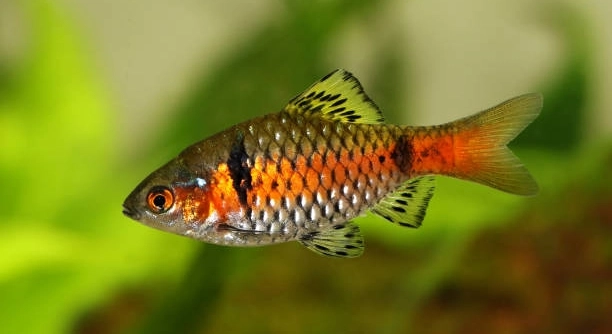
Rosy barbs are popular freshwater fish known for their lively colors and active swimming. Many aquarium enthusiasts enjoy keeping them with other fish to create a vibrant tank environment. Their interactions with tank mates can affect their overall behavior and well-being.
Rosy barbs do not experience boredom in the way humans understand it. Their behavior is influenced mainly by environmental stimulation and social dynamics within the tank. Providing appropriate companions and an enriched environment supports their natural activity levels and health.
Understanding how tank mates impact rosy barbs can improve your aquarium’s harmony and your fish’s quality of life. The following details will help you create a balanced and engaging aquatic environment.
Understanding Rosy Barbs’ Social Behavior
Rosy barbs are naturally social fish that prefer living in groups. They feel more secure and display healthier activity when kept with others of their kind or compatible species. If isolated, they may become stressed, which can affect their health and coloration. When they have proper companions, they tend to interact more, swim actively, and explore the tank environment. Tank mates should be chosen carefully to avoid aggressive behavior or overcrowding. Providing hiding spots and plants encourages natural behavior and reduces stress. Environmental enrichment, such as varied decorations and changing the layout occasionally, also keeps them stimulated. While they don’t get bored, lack of stimulation can lead to lethargy or repetitive movements. Ensuring a balance between social interaction and environmental variety is key to their well-being.
Social dynamics affect rosy barbs’ behavior more than boredom, so tank composition is crucial for their health.
A well-planned tank helps maintain rosy barbs’ active and healthy nature. Including suitable companions and varying the environment supports their natural instincts. Avoid aggressive fish, and provide enough space for swimming. Consistent water quality and diet further improve their overall condition, making the tank a lively, balanced space where rosy barbs thrive.
Signs of Stress and How to Address Them
Stress in rosy barbs often results from poor tank conditions or incompatible tank mates. Observing changes in behavior, such as hiding, loss of color, or erratic swimming, helps identify stress early. Stress can weaken their immune system, leading to illness if not addressed promptly.
Adjusting tank mates and environment can reduce stress effectively.
When stress signs appear, start by checking water quality and tank temperature to ensure they are within proper ranges. Remove aggressive or overly competitive fish to restore harmony. Adding plants or decorations creates hiding spots, helping shy barbs feel safer. Feeding a balanced diet also strengthens their resilience. Regular monitoring and timely adjustments help maintain a calm environment, allowing rosy barbs to display their natural colors and behavior, making the tank peaceful and enjoyable for all fish.
Ideal Tank Mates for Rosy Barbs
Rosy barbs do best with peaceful or semi-aggressive fish that share similar water and temperature needs. Avoid overly aggressive or very small fish.
Suitable tank mates include danios, mollies, and certain tetras. These species generally coexist well, reducing stress and aggression. They swim at similar levels and have comparable activity patterns, which helps maintain balance. Avoid slow-moving or delicate fish, as rosy barbs’ energetic nature might stress them. Regularly observe interactions to catch any signs of bullying early. A mixed community tank can work well if space and conditions are adequate, providing variety and companionship without conflict.
Careful selection of tank mates keeps rosy barbs active and comfortable, promoting a harmonious aquarium environment.
Environmental Enrichment for Rosy Barbs
Adding plants, decorations, and hiding spots creates a stimulating environment for rosy barbs. These features encourage exploration and natural behavior, preventing boredom-like lethargy.
A mix of live plants and artificial decorations offers both shelter and open swimming space. Varied textures and colors attract the fish’s curiosity. Rearranging the tank layout occasionally provides new challenges and interest. Including floating plants can mimic their natural habitat, offering shade and security. Proper lighting and moderate water flow enhance comfort. Enrichment supports mental and physical health, making rosy barbs more vibrant and active. Regular maintenance ensures the environment remains clean and inviting, which is essential for their well-being.
Feeding and Interaction
Providing a varied diet keeps rosy barbs engaged and healthy. High-quality flakes, pellets, and occasional live or frozen foods meet their nutritional needs.
Feeding small amounts multiple times a day mimics their natural foraging behavior. This routine encourages activity and interaction within the tank.
Recognizing Behavioral Changes
Behavioral changes often indicate shifts in the tank environment or social structure. Watch for signs like increased aggression, hiding, or reduced activity. These may signal stress, illness, or unsuitable tank mates, requiring prompt attention.
Tank Size and Space
Rosy barbs need ample swimming space. A minimum of 20 gallons is recommended for a small group. More space reduces aggression and supports natural schooling behavior.
Importance of Consistency
Maintaining consistent water conditions, lighting, and feeding schedules reduces stress. Stability in the tank environment helps rosy barbs thrive and maintain healthy behavior.
FAQ
Can rosy barbs get bored of their tank mates?
Rosy barbs do not experience boredom as humans do. Their behavior depends on social interaction and environmental stimulation. If the tank is well-maintained with compatible companions and interesting surroundings, they remain active and engaged. Lack of variety or poor tank conditions may cause inactivity, but this is not true boredom.
How many rosy barbs should be kept together?
Rosy barbs are schooling fish and should be kept in groups of at least five. Smaller groups can lead to stress and timid behavior. A larger group encourages natural schooling and social behaviors, which improves their overall health and activity levels.
What are the best tank mates for rosy barbs?
Ideal tank mates include fish with similar temperaments and water requirements, such as danios, mollies, and some tetras. Avoid slow-moving or very small fish, as they can become targets of bullying. Keeping compatible species together reduces stress and aggression in the tank.
How can I tell if my rosy barbs are stressed?
Signs of stress include loss of color, hiding, erratic swimming, and reduced appetite. Stress often results from poor water quality, incompatible tank mates, or insufficient space. Addressing these issues quickly can restore their health and normal behavior.
What should I feed rosy barbs to keep them healthy?
A balanced diet with high-quality flakes or pellets, supplemented by live or frozen foods like brine shrimp or bloodworms, is ideal. Feeding small amounts multiple times a day supports their natural foraging behavior and keeps them active.
Is tank size important for rosy barbs?
Yes, a minimum tank size of 20 gallons is recommended for a small group. More space reduces stress and aggression, allowing rosy barbs to swim freely and exhibit natural schooling behaviors.
How often should I rearrange decorations in the tank?
Rearranging tank decorations occasionally can provide mental stimulation and encourage exploration. However, it should be done gradually to avoid stressing the fish. Changing the environment every few weeks or months is sufficient.
Do rosy barbs need hiding places?
Yes, providing plants and decorations for hiding spots helps reduce stress, especially for shy or less dominant fish. Hiding places mimic their natural habitat and allow them to retreat when needed.
Can rosy barbs live with aggressive fish?
Rosy barbs generally do not do well with highly aggressive species. Aggressive tank mates can cause stress, injury, or death. It’s best to avoid aggressive fish and choose peaceful or semi-aggressive companions instead.
What water conditions do rosy barbs prefer?
Rosy barbs thrive in water with a temperature between 64°F and 72°F, pH of 6.5 to 7.5, and moderate hardness. Maintaining stable water parameters is crucial to their health and behavior.
How can I reduce aggression in a community tank with rosy barbs?
Ensure ample space, provide hiding spots, and choose compatible tank mates. Avoid overcrowding, and keep a balanced group size to reduce competition. Regular observation helps catch early signs of aggression so adjustments can be made promptly.
Are rosy barbs active swimmers?
Yes, rosy barbs are lively and active swimmers. They need open swimming areas and a stimulating environment to express their natural behaviors. Lack of activity may indicate stress or poor tank conditions.
Can rosy barbs recognize their owners?
While they may not recognize owners as individuals, rosy barbs can become accustomed to feeding routines and may respond to your presence. This familiarity encourages interaction but should not be confused with attachment.
How often should I test the water for rosy barbs?
Testing water parameters weekly is recommended. Regular checks for ammonia, nitrites, nitrates, pH, and temperature help maintain a safe environment. Prompt adjustments prevent stress and illness.
What are common illnesses in rosy barbs?
Common issues include ich, fin rot, and fungal infections. These often result from poor water quality or stress. Early detection and treatment with appropriate medication improve recovery chances.
Can rosy barbs live with bottom dwellers?
Yes, they can coexist with peaceful bottom dwellers like corydoras catfish. These species occupy different tank levels, minimizing competition and aggression, which promotes a balanced aquarium environment.
How long do rosy barbs typically live?
With proper care, rosy barbs can live 5 to 7 years. Good water quality, a balanced diet, and suitable tank mates all contribute to their longevity.
Is it necessary to provide a varied diet for rosy barbs?
Yes, variety ensures they receive all essential nutrients. A mix of flakes, pellets, and occasional live or frozen foods supports their immune system and coloration.
Should I feed rosy barbs at night?
No, rosy barbs are diurnal and feed during daylight hours. Nighttime feeding is unnecessary and may cause water quality issues from uneaten food.
Can rosy barbs jump out of the tank?
They are known to jump occasionally, especially if stressed or startled. A secure tank lid is important to prevent escapes and injuries.
Rosy barbs are lively fish that thrive in well-balanced tank environments. Their behavior depends heavily on the company they keep and the conditions around them. While they do not experience boredom like humans, their activity and mood are influenced by tank mates and environmental factors. Choosing the right companions and creating a stimulating space supports their natural instincts and keeps them healthy. Paying attention to how they interact with others and ensuring they have enough room to swim helps maintain a peaceful aquarium. Proper care makes a significant difference in how rosy barbs behave and enjoy their surroundings.
Maintaining good water quality and feeding a varied diet are essential parts of keeping rosy barbs happy. Consistency in tank conditions reduces stress, which is crucial because stress can lead to illness or changes in behavior. Providing hiding places, plants, and occasional changes in tank layout adds interest to their environment. These elements encourage natural exploration and reduce any signs of lethargy. Observing your fish regularly allows you to notice changes early and adjust care as needed. Keeping these factors in balance helps rosy barbs live longer and display their best colors and behaviors.
In summary, rosy barbs rely on their environment and social setting to stay active and healthy. They do not get bored but do need stimulation and suitable tank mates to thrive. Monitoring their behavior, maintaining clean water, and offering a varied diet all contribute to their well-being. With the right care, rosy barbs can be lively and vibrant additions to your aquarium. Creating a comfortable and engaging tank will ensure they remain enjoyable and healthy for years to come.

Hello,
If you enjoy the content that we create, please consider saying a "Thank You!" by leaving a tip.
Every little bit helps us continue crafting quality advice that supports the health, happiness, and well-being of pets around the world, for pets of all shapes, sizes, and species.
We really appreciate the kindness and support that you show us!