
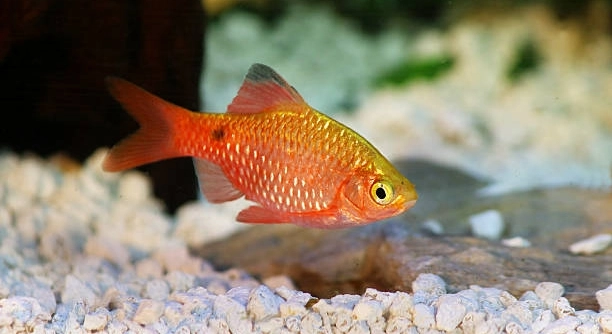
Rosy barbs are popular freshwater fish known for their bright colors and active behavior. Many aquarists enjoy watching their interactions in home aquariums. Observing how they behave around each other can reveal interesting social patterns.
Rosy barbs can form mini hierarchies within groups, establishing dominance and submission ranks. These social structures help reduce conflict and organize access to resources like food and territory, reflecting natural behaviors seen in wild populations.
Understanding the social order of rosy barbs can improve tank management and ensure a peaceful environment for your fish. This article will explore the signs and reasons behind these mini hierarchies.
Understanding Social Behavior in Rosy Barbs
Rosy barbs display clear social behaviors that affect how they interact in a tank. When kept in groups, they often establish a pecking order where some fish take on dominant roles while others remain submissive. This hierarchy helps maintain peace by reducing constant fighting for food or space. Dominant fish tend to be more vibrant in color and may swim more confidently around the tank. Subordinate fish usually keep a lower profile, avoiding direct confrontation. These behaviors are natural and similar to what occurs in their native habitats. The presence of a hierarchy can help aquarists recognize which fish are stressed or less active. Observing these social cues allows for better tank management and ensures the health of all fish. Maintaining proper group size and providing enough hiding spots also supports a balanced social environment.
Hierarchy formation in rosy barbs is a normal, healthy behavior for their species.
Proper understanding of their social dynamics helps prevent aggressive outbreaks and keeps the tank environment stable for all fish involved.
Signs of Mini Hierarchies in Your Tank
Signs of mini hierarchies include chasing, color changes, and positioning within the group.
Dominant rosy barbs often chase or nip at less dominant fish. Subordinates may show faded colors or avoid certain tank areas. Watching these interactions closely reveals the social ranking within the group. When dominant fish secure preferred spots near food or hiding places, it confirms the presence of a hierarchy. Recognizing these signs early can help prevent injury and stress among tank mates.
Understanding these subtle behaviors makes it easier to adjust tank conditions or group sizes if needed. For example, adding more space or additional hiding places can reduce tension. Sometimes, removing a highly aggressive fish may be necessary to protect others. Monitoring how rosy barbs interact daily gives important clues about their social structure and well-being.
Knowing what to look for allows you to support a peaceful and balanced community in your aquarium.
Factors Influencing Hierarchy Formation
Group size strongly impacts hierarchy in rosy barbs. Smaller groups may not show clear ranks, while larger groups usually develop stronger social structures. Space also plays a role; crowded tanks can increase aggression and stress.
When space is limited, competition for territory and food becomes more intense. This often leads to clearer dominance hierarchies as fish assert control over resources. In larger tanks with enough hiding spots, aggression tends to decrease, and hierarchies may be less obvious. The presence of plants or decorations also affects social dynamics by offering refuge for less dominant fish. Tank conditions like water quality and feeding schedules can influence behavior too. Consistent care helps reduce stress, supporting a stable hierarchy where all fish coexist with fewer conflicts.
Balancing group size and tank environment is essential to maintaining peaceful social order among rosy barbs. This balance allows natural behaviors to emerge without causing harm.
Managing Aggression in Rosy Barb Groups
Aggression usually occurs when dominance is challenged or resources are scarce. Identifying and addressing causes early helps maintain harmony in the tank.
Introducing additional hiding spots reduces stress by giving lower-ranked fish safe areas. Feeding multiple times a day in different locations helps prevent food competition. If aggression persists, adjusting the group size or removing a particularly aggressive fish might be necessary. Sometimes, rearranging tank decorations can reset territories and decrease conflicts. Regular observation is crucial to spot changes in behavior. Managing aggression improves the overall health and well-being of the entire group, making your aquarium a calmer and more enjoyable space.
Taking proactive steps in tank setup and care helps prevent escalation and supports a stable social balance.
Common Misunderstandings About Rosy Barb Behavior
Many people think all chasing is harmful aggression, but some chasing is normal social interaction. It helps establish order without serious harm.
Chasing rarely leads to injury if the tank environment supports retreat and hiding spots. Understanding this difference reduces unnecessary worry and improves care.
Impact of Tank Setup on Social Structure
Tank layout greatly influences how rosy barbs form hierarchies. A well-decorated tank with plenty of plants and hiding spots allows lower-ranked fish to avoid constant conflict. Open swimming areas support natural movement and display of social roles. Poorly arranged tanks can increase stress and aggression by limiting escape routes and increasing competition for space. Regular changes in decorations can help break up established territories, preventing prolonged conflicts. Proper setup encourages peaceful coexistence and allows natural social behaviors to develop without excessive fighting.
Feeding and Hierarchy Dynamics
Feeding habits affect dominance behavior and social balance in rosy barb groups.
FAQ
Can rosy barbs live peacefully without forming hierarchies?
Rosy barbs naturally form social groups with some level of hierarchy. While minor hierarchies help reduce constant fighting, in very small groups or individual pairs, these structures may be less obvious or not develop fully. Peaceful coexistence depends on proper group size, tank space, and hiding places. Without these, stress and aggression may increase. So, while they can live without clear hierarchies in limited numbers, a healthy social structure benefits their well-being and reduces conflicts.
How many rosy barbs should be kept together to form a stable group?
A minimum of six rosy barbs is usually recommended to establish a balanced social group. Smaller groups often lead to increased aggression because fish can’t spread out dominance or submissive roles properly. Larger groups help distribute social tension and reduce bullying. Keeping at least six provides enough individuals for natural behaviors like schooling and hierarchy formation, making your tank environment more stable and less stressful for the fish.
What signs indicate that the hierarchy is causing stress or harm?
Look for constant chasing that results in injuries or excessive hiding from certain fish. Faded colors, loss of appetite, or lethargy in some individuals are also warning signs. If dominant fish repeatedly corner others or if fighting causes visible damage, the hierarchy might be too harsh. In these cases, tank adjustments like increasing space, adding hiding spots, or rearranging decorations are necessary. Sometimes, separating the most aggressive fish improves the group’s health.
Can tank decorations influence hierarchy behavior?
Yes, tank decorations such as plants, rocks, and caves create territories and hiding spots. These elements allow subordinate fish to escape dominance pressure, reducing aggression and stress. A well-decorated tank encourages natural social behavior by providing boundaries for territories and refuge zones. Lack of decoration often leads to increased fights and dominance displays as fish compete for limited space. Rearranging decorations occasionally can also disrupt established territories, helping to reset social order.
Does feeding schedule affect dominance and aggression?
Feeding frequency and distribution play a key role in reducing competition and aggression. Feeding smaller amounts multiple times a day in various tank locations helps prevent dominant fish from monopolizing food. When food is scarce or delivered only once, dominant fish may aggressively chase others away, increasing stress. Consistent feeding schedules ensure all fish get enough nutrition, supporting healthier social dynamics. Watching feeding behavior closely can reveal social tensions and help you adjust your routine accordingly.
Is it necessary to remove aggressive fish from the tank?
Removing aggressive individuals is sometimes the best solution if conflicts cause harm or stress. Some fish naturally take on dominant roles that disrupt group balance, especially in limited tank space. If attempts to reduce aggression through tank rearrangement or adding hiding places fail, separating or rehoming aggressive fish protects the rest. This step improves the overall health of the group and helps maintain a peaceful environment.
Do rosy barbs’ colors change based on their social rank?
Yes, dominant rosy barbs often display brighter and more intense colors. This visual signal reinforces their position within the group and can intimidate lower-ranked fish. Submissive fish may appear paler or less vibrant, reflecting stress or reduced confidence. Color changes are normal and provide insight into the social dynamics of your tank. Noticing these shifts helps track the health and behavior of individual fish over time.
Can environmental stress disrupt the hierarchy?
Environmental stressors like poor water quality, temperature fluctuations, or overcrowding can destabilize social order. Stress weakens fish immune systems and increases aggression or withdrawal. Maintaining clean water, stable temperature, and proper stocking levels supports a healthy hierarchy and reduces conflict. When environmental conditions worsen, social structures break down, leading to more fighting or hiding. Consistent tank maintenance is essential for stable social behavior.
How often should I monitor rosy barb interactions?
Daily observation is ideal for catching early signs of stress, aggression, or health issues. Watching interactions during feeding and rest periods provides a clear picture of social dynamics. Regular monitoring lets you detect changes quickly and make adjustments to tank conditions. This proactive approach prevents problems from escalating and helps maintain a peaceful community where all fish thrive.
Will adding other fish species affect rosy barb hierarchies?
Introducing other species can influence social behavior. Some species are more peaceful, while others may compete aggressively for space or food. Non-aggressive tank mates that occupy different areas or swim layers usually reduce direct competition. However, aggressive or territorial species may disrupt rosy barb hierarchies, increasing stress and fighting. Careful selection of compatible tank mates is important to preserve social balance and minimize conflicts in a mixed community aquarium.
Final Thoughts
Rosy barbs naturally form mini hierarchies when kept in groups. These social structures help organize their interactions and reduce constant fighting over food, space, and territory. Understanding this behavior can improve how you care for them in your aquarium. Recognizing the signs of hierarchy, such as chasing or changes in color, helps you monitor their well-being. By providing a suitable environment with enough space and hiding spots, you support a stable social order that benefits all fish.
Managing group size is also important. Keeping at least six rosy barbs allows for a balanced social structure. Smaller groups tend to increase tension because fish compete more directly for dominance. A larger group spreads out social roles and reduces stress. Along with proper tank decorations, space, and feeding routines, this helps maintain peace and limits aggression. Regular observation is necessary to catch early signs of stress or harm so you can adjust conditions promptly.
Overall, successful care of rosy barbs involves understanding their natural social behaviors and creating an environment that supports them. Mini hierarchies are normal and can be healthy if the tank setup allows fish to express their roles without excessive conflict. With careful attention to tank size, decoration, feeding, and monitoring, you can enjoy the lively and colorful presence of rosy barbs while keeping the group balanced and peaceful. This makes for a healthier, happier aquarium for both the fish and you.

Hello,
If you enjoy the content that we create, please consider saying a "Thank You!" by leaving a tip.
Every little bit helps us continue crafting quality advice that supports the health, happiness, and well-being of pets around the world, for pets of all shapes, sizes, and species.
We really appreciate the kindness and support that you show us!