
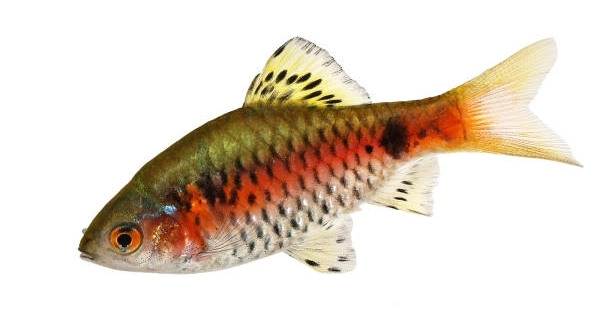
Many fish owners enjoy playing music near their tanks, wondering how their pets react. Rosy barbs are popular aquarium fish that might sense changes in their environment. Tank vibrations caused by music could influence their behavior and well-being.
Rosy barbs can detect tank vibrations, including those from music, through their lateral line system. This sensory organ allows them to perceive water movement and vibrations, affecting their responses to external stimuli in the aquarium.
Understanding how music vibrations affect rosy barbs can help improve tank conditions and promote healthier fish. Learning about these effects adds valuable insight for aquarium enthusiasts and caretakers.
How Rosy Barbs Sense Vibrations
Rosy barbs have a special organ called the lateral line that runs along the sides of their bodies. This organ helps them detect vibrations and movements in the water. When music plays near their tank, the sound waves create tiny vibrations in the water. The lateral line picks up these vibrations, allowing the fish to sense changes in their surroundings. These signals can make rosy barbs more alert or sometimes stressed, depending on the intensity and frequency of the vibrations. Not all music causes the same reaction; louder or bass-heavy tunes might create stronger vibrations that the fish can easily detect. On the other hand, soft or calm music may cause less disturbance. Understanding this can help fish owners choose what kind of sounds to play near their tanks to avoid stressing their rosy barbs.
Rosy barbs’ sensitivity to vibration varies with the type of sound and tank setup.
Many factors affect how much a fish senses vibrations, including tank size, water level, and the material of the tank. A larger tank with thicker glass can dampen vibrations better than smaller, thinner tanks. The volume and bass of the music also play a role—strong bass frequencies create more noticeable vibrations. Additionally, the location of the speakers matters; vibrations travel through surfaces, so placing speakers on or near the tank can increase the intensity felt by the fish. Being mindful of these factors can help maintain a comfortable environment for rosy barbs, reducing the chances of stress or unusual behavior caused by music vibrations.
Effects of Music Vibrations on Rosy Barbs
Music vibrations can influence rosy barbs’ behavior in different ways.
Some fish may become more active or swim faster when exposed to certain vibrations, while others might hide or show signs of stress. Constant or loud vibrations can lead to fatigue or health issues over time. It is important to observe the fish’s reactions carefully to ensure their comfort.
In some cases, music vibrations may stimulate rosy barbs and encourage natural behaviors like schooling or exploring. However, if the vibrations are too strong or constant, they could disrupt their normal routines. Stress caused by these vibrations might weaken their immune systems or reduce feeding. Fish owners should aim for gentle background music and avoid placing speakers directly on the tank. Watching how the fish behave when music plays can help determine if the vibrations are beneficial or harmful. By adjusting the volume, type of music, and speaker placement, it is possible to create a more peaceful and supportive environment for rosy barbs.
Managing Tank Vibrations from Music
Limiting the volume and bass of music near the tank can reduce vibrations felt by rosy barbs. Placing speakers away from the tank surface helps minimize direct transmission of sound waves into the water.
Using soft, calming music or nature sounds produces gentler vibrations that are less likely to disturb the fish. It is best to avoid heavy bass or loud music sessions near the aquarium. Positioning speakers on a separate stand or shelf, rather than on the tank or close furniture, decreases vibration transfer. Adding padding or vibration-absorbing materials beneath the tank can also help. Monitoring fish behavior during music playback will indicate if changes are needed. Small adjustments in sound level and speaker placement make a significant difference in maintaining a peaceful environment for rosy barbs.
Regularly checking for stress signs like erratic swimming or hiding ensures that music vibrations do not negatively impact the fish. Keeping vibration levels low contributes to healthier, calmer rosy barbs and a more enjoyable aquarium experience.
Signs of Stress from Vibrations
Rosy barbs may show stress by swimming rapidly, hiding, or losing appetite. Changes in color or lethargy can also occur.
Observing these behaviors can help fish owners identify if vibrations from music are causing discomfort. Persistent stress affects fish health over time and should not be ignored. Adjusting music volume or stopping playback can relieve stress. Ensuring a stable, quiet environment is important for their well-being.
If stress signs appear, try reducing sound intensity and monitor the fish closely. Improving tank setup and using vibration dampeners may also help. Maintaining calm surroundings supports rosy barbs’ health and natural behavior.
Best Types of Music for Rosy Barbs
Soft instrumental or classical music tends to create gentle vibrations that are less stressful for rosy barbs. Avoid heavy bass or fast-paced genres that produce strong vibrations.
Calm, steady rhythms help maintain a peaceful environment in the tank. These sounds are more likely to soothe rather than disturb the fish.
Tank Setup Tips to Reduce Vibrations
Using a sturdy stand and placing vibration-absorbing pads under the tank can minimize vibrations. Keep speakers on separate furniture to avoid direct contact with the tank.
These simple adjustments help control how much vibration transfers into the water, making the environment more comfortable for rosy barbs.
Observing Fish Behavior
Pay close attention to how rosy barbs react when music is playing. Sudden changes in movement or hiding are signs to adjust the sound.
Keeping track of their behavior ensures the tank remains a calm and safe space.
Using Technology for Vibration Control
Consider using sound systems designed with low vibration output or Bluetooth speakers placed away from the tank.
These tools help manage vibration levels without sacrificing sound quality.
FAQ
Can rosy barbs hear music or just feel vibrations?
Rosy barbs do not hear music the way humans do. Instead, they sense vibrations in the water through their lateral line system. This helps them detect movements and changes around them. So, when music plays near their tank, they mainly feel the vibrations rather than hear the actual sound.
Is it harmful to play music near a fish tank?
Playing music at a low volume with gentle vibrations usually isn’t harmful. However, loud music or strong bass can create intense vibrations that may stress fish, including rosy barbs. Constant exposure to these vibrations might cause health or behavioral issues. It’s best to monitor fish responses and adjust the music accordingly.
What kind of music is best for rosy barbs?
Soft, calm music such as classical, instrumental, or nature sounds works best. These types create gentle vibrations that are less likely to disturb the fish. Avoid heavy bass, rock, or fast-paced music since they can produce strong vibrations that upset the fish.
How can I tell if my rosy barbs are stressed by music vibrations?
Look for signs like erratic swimming, hiding, loss of appetite, or dull coloration. These behaviors can indicate stress. If you notice these signs during or after playing music, it’s a good idea to lower the volume, change the music type, or stop the music altogether.
Can vibrations from speakers damage the tank or equipment?
Strong vibrations over time might loosen decorations or cause stress cracks in fragile tanks, especially if the tank material is thin. It’s safer to keep speakers off the tank or place vibration dampeners between the tank and its stand. This also helps protect the fish from excessive vibration.
Does the size or material of the tank affect vibration sensitivity?
Yes, larger tanks and those made of thicker glass or acrylic absorb vibrations better, reducing the impact on fish. Smaller tanks or thin glass may transmit vibrations more easily. The water level and tank stand also influence how much vibration reaches the fish.
Should I avoid playing music if I have multiple fish species?
Different species react differently to vibrations. While rosy barbs might tolerate soft music, more sensitive species could get stressed easily. If you have a mixed tank, it’s best to keep music low and monitor all fish for any negative reactions.
Are there alternatives to music that won’t disturb rosy barbs?
Yes, many fish owners use white noise machines or gentle water sounds, which create minimal vibrations. This can provide a calming background without causing stress. Additionally, keeping the aquarium in a quiet room helps maintain a stable environment.
How long can I play music near my rosy barbs without causing problems?
Short sessions with low volume and gentle music are generally safe. Long or constant exposure to vibrations may increase stress. It’s best to limit music time and observe your fish’s behavior regularly to ensure their comfort.
Can I train my rosy barbs to get used to music vibrations?
Fish can adapt to repeated stimuli over time if the vibrations aren’t too strong. Gradually introducing soft music at low volume might help rosy barbs become accustomed to the vibrations. However, it’s important to avoid forcing exposure that causes stress.
Does the placement of the speakers matter?
Yes, placing speakers directly on or near the tank transfers more vibration into the water. Speakers placed on separate stands or shelves, away from the tank, reduce vibration transfer. Using vibration-absorbing pads beneath the tank or speakers also helps.
Is it better to use wireless or wired speakers for aquarium music?
Wireless speakers offer more flexibility in placement, allowing you to position them away from the tank to reduce vibrations. Wired speakers may limit placement options and could be placed closer to the tank, increasing vibration risk.
What should I do if my rosy barbs show stress despite all precautions?
If your fish continue to show stress signs, it’s best to stop playing music near the tank. Focus on creating a calm, quiet environment. You can also consult a vet or aquatic specialist for advice tailored to your tank setup and fish health.
Can vibrations affect fish breeding or health long-term?
Prolonged stress from strong vibrations may negatively impact breeding success and overall health. Stress weakens the immune system, making fish more vulnerable to disease. Keeping vibrations low and the environment stable supports healthier fish and better breeding outcomes.
Is it safe to use underwater speakers to play music for rosy barbs?
Underwater speakers send sound directly through the water, creating strong vibrations. This can be stressful or harmful to rosy barbs. Generally, it’s safer to play music through speakers outside the tank at low volume to avoid excessive vibration inside the water.
Rosy barbs are sensitive to vibrations in their environment, including those caused by music playing near their tank. These vibrations are detected through their lateral line system, which helps them sense movement in the water. While soft, gentle music may not bother them much, loud or heavy bass sounds can create strong vibrations that might stress the fish. It is important to remember that each fish may react differently, so paying attention to their behavior is key. Stress signs like hiding, erratic swimming, or loss of appetite should be taken seriously and addressed by adjusting the music or its volume.
Creating a comfortable environment for rosy barbs means managing the vibrations they experience. This can be done by choosing calming types of music such as classical or nature sounds and keeping the volume low. Placement of speakers also matters; keeping them off the tank or on separate furniture helps reduce the transfer of vibrations into the water. Using padding or vibration-absorbing materials beneath the tank can further reduce vibrations. Regularly observing how the fish respond when music plays is important to ensure they remain calm and healthy. If the fish show any signs of discomfort, reducing or stopping the music is the best course of action.
Ultimately, the well-being of rosy barbs depends on creating a stable and peaceful tank environment. While music can add a pleasant atmosphere for people, it should never come at the expense of the fish’s health. By managing sound levels, selecting appropriate music, and monitoring fish behavior, owners can enjoy playing music without causing harm. Taking these simple steps helps maintain a healthy aquarium where rosy barbs can thrive, swim actively, and display their natural beauty without unnecessary stress.

Hello,
If you enjoy the content that we create, please consider saying a "Thank You!" by leaving a tip.
Every little bit helps us continue crafting quality advice that supports the health, happiness, and well-being of pets around the world, for pets of all shapes, sizes, and species.
We really appreciate the kindness and support that you show us!