
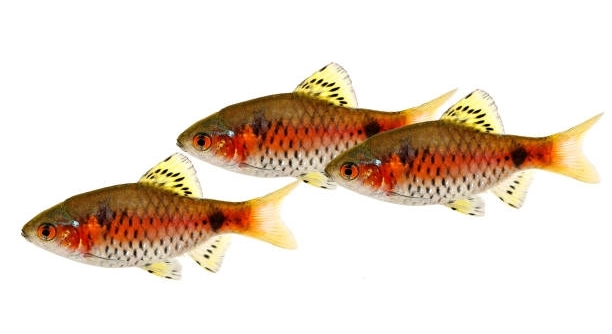
Have you ever noticed your Rosy Barbs acting differently when kept in smaller groups, and wondered if they feel uncomfortable or stressed?
Rosy Barbs can feel confined in small groups due to their strong social nature. Inadequate group size may lead to stress, reduced activity, and aggression. These fish thrive best when kept in schools of at least six individuals.
Learning how group size affects their behavior can help you create a healthier, more peaceful environment for your Rosy Barbs at home.
Why Rosy Barbs Need a Proper Group Size
Rosy Barbs are social fish that depend on the presence of others to feel secure and behave naturally. In the wild, they form large groups and rely on constant movement and interaction. When kept in small numbers, especially fewer than six, they often become anxious or aggressive. This can result in fin nipping, hiding, or constant chasing within the tank. A lack of stimulation from group interaction can also lead to dull coloration and reduced appetite. These signs often go unnoticed until the fish begin to act out of character. Creating a stable group allows them to swim in a more relaxed and coordinated manner. It also encourages healthier feeding habits and a more peaceful aquarium. For anyone keeping Rosy Barbs, it’s important to understand that the number of fish directly affects how they behave and feel. A properly sized group will bring out the best in their personality.
Keeping just one or two Rosy Barbs may seem manageable, but it’s far from ideal for their mental and physical well-being.
When Rosy Barbs are placed in a school of six or more, their behavior begins to shift noticeably. They swim more freely, explore their surroundings confidently, and rarely show signs of stress. The presence of multiple fish allows them to develop a natural pecking order, reducing the constant chasing seen in smaller groups. With more companions, there’s less pressure on any one fish, and this helps to spread social energy evenly. It’s also easier to observe their playful side, as they often swim in unison and chase each other in short bursts of energy. Adding more Rosy Barbs doesn’t just benefit their behavior—it also supports their physical health. A comfortable environment encourages strong immune systems and better appetite. These fish are at their best when their basic social needs are met, and the group size is one of the most important parts of that balance.
How Tank Conditions Can Add to the Stress
In a small group, poor tank conditions can make the situation worse. Low water quality, limited space, or lack of plants can add stress.
Rosy Barbs need clean water, open space to swim, and a few hiding spots to feel comfortable. A tank that’s too small or lacks proper filtration can raise stress levels, especially when the group is too small to offer social support. Ammonia buildup, poor oxygenation, and infrequent water changes can lead to irritability and even illness. A stressed fish is more likely to display aggressive or withdrawn behavior, both of which are worsened by an inadequate social environment. Including live plants and smooth decorations can offer a sense of shelter, helping the fish feel safer. It’s also essential to make sure the tank is long enough to allow free swimming. When the environment supports their natural movement and group interaction, Rosy Barbs become more peaceful and active. Keeping both the group size and habitat in check leads to better overall results.
Signs Your Rosy Barbs Feel Confined
When Rosy Barbs feel confined, they may show signs like chasing tankmates, hiding more often, or displaying dull colors. These behaviors are often linked to stress caused by limited social interaction or a lack of space.
Rosy Barbs in small groups often become more aggressive or withdrawn. You might notice one fish constantly chasing the others or spending long periods hiding near the bottom or behind plants. They may also eat less and become less active during the day. Their natural behavior involves swimming in groups and exploring openly, so when that pattern changes, it’s usually a clear signal. A lack of vibrant color can also indicate stress. Healthy Rosy Barbs kept in proper groups tend to be brightly colored and move around energetically. When their environment doesn’t support this, their physical and emotional health starts to decline quickly.
If your Rosy Barbs are frequently displaying these behaviors, it’s worth taking a closer look at their tank setup and group size. Stress-related behavior often reduces once the group is expanded or the space becomes more supportive. Even just adding a few more barbs can significantly change how they behave. They begin to form better social patterns, chase less, and explore more. This shift often happens within days. Also, avoid adding incompatible fish that can trigger even more tension in the tank. Providing hiding spots and maintaining good water quality also helps, but increasing the group size remains the most effective solution. Social needs are deeply rooted in their nature, and when met, the improvement is easy to see.
What to Do if You Can’t Keep a Large Group
If keeping a large group isn’t possible, you’ll need to adjust other parts of the environment to support your Rosy Barbs. Focus on space, enrichment, and minimizing stress.
Start by making sure the tank is large enough for movement, even if the group is small. Use decorations, plants, and soft lighting to provide comfort and break up sight lines. This helps reduce aggression and gives fish safe zones. A longer tank layout is ideal, allowing swimming space across the width. Enrichment also plays a big role—adding new plants or rearranging the layout from time to time can help keep your barbs engaged. Keep water conditions stable and clean to reduce additional stress. If possible, consider adding peaceful species that don’t compete for territory but offer more activity in the tank. While it’s not the same as schooling, it can create a more stimulating environment that supports emotional balance and discourages isolation-related behavior.
Mistakes to Avoid with Rosy Barb Groups
Avoid keeping Rosy Barbs in pairs or trios. These group sizes often lead to bullying or stress for the weaker fish.
Do not mix them with slow or long-finned species. Rosy Barbs are active swimmers and may nip at fish that can’t keep up.
How to Introduce New Rosy Barbs
When adding new Rosy Barbs, quarantine them first to prevent spreading illness. Introduce them gradually by floating their bag in the main tank for 20 minutes, then mix tank water in slowly. Once released, monitor their behavior. Expect some chasing at first, but this usually settles within a few days. Make sure the tank has enough space and hiding spots to reduce conflict. Adding more than one at a time helps balance the group and avoids singling out one fish. The new additions should be close in size to the existing barbs. Keep feeding consistent to minimize food competition during the adjustment period.
Final Tip on Group Dynamics
The more balanced the group, the more peaceful and active your Rosy Barbs will be throughout their time in your tank.
FAQ
Can Rosy Barbs live alone?
Rosy Barbs should not be kept alone. They are active, social fish that rely on group interaction to feel secure. A single Rosy Barb often becomes anxious or aggressive and may develop unhealthy behaviors like hiding constantly or swimming erratically. Loneliness can also weaken their immune system over time. Even in a well-maintained tank, one Rosy Barb will not thrive on its own. For their overall well-being, a group of six or more is best. This allows them to swim in a coordinated way, feel safe, and engage in natural social behaviors daily.
What is the minimum number of Rosy Barbs I should keep?
The minimum number recommended is six. Groups smaller than this often lead to stress-related issues such as fin-nipping, chasing, or loss of appetite. Six or more gives them the security of a proper school and spreads out any social tension. It also reduces the chance that one fish becomes a target for aggression. Larger groups help create a more relaxed and active environment. If your tank can support more, adding eight or even ten can further improve group dynamics. Just make sure the tank is large enough to give them space to swim freely without crowding.
Can Rosy Barbs be aggressive if kept in small groups?
Yes, aggression is more common in small groups. Without enough tankmates, dominant fish may target one or two others repeatedly. This leads to injuries, stress, and poor feeding behavior. Rosy Barbs are not naturally aggressive when kept in a proper group size. In larger schools, aggressive tendencies spread out and usually fade. If you notice persistent chasing or fin damage, the group may be too small or the tank too crowded. Increasing the group size and improving the layout with hiding spots usually helps reduce this issue.
Can Rosy Barbs live with other fish instead of more barbs?
Rosy Barbs prefer to live with their own kind. While they can share a tank with other peaceful, fast-moving fish, this doesn’t replace the need for a proper group of barbs. Other species may not communicate or move the same way, leaving the Rosy Barb feeling isolated. They do best when surrounded by fish of similar size, speed, and behavior. If you’re limited on space, it’s still better to prioritize building a group of Rosy Barbs over mixing in different fish. A balanced group brings out their healthiest, most active behavior.
Is it okay to keep just two or three Rosy Barbs?
Two or three is not enough for this species. It may seem like a small group is easier to manage, but it usually leads to stress and unhealthy social dynamics. In small numbers, one fish may dominate or bully the others. Also, the lack of school support makes them feel unsafe, so you might see them hiding more or acting nervously. If your tank size limits the number you can keep, consider choosing a different fish that’s more suited to living in pairs or trios. Rosy Barbs really need a proper group to feel at ease.
How big should the tank be for a group of Rosy Barbs?
A group of six Rosy Barbs needs at least a 30-gallon tank. This gives them room to swim, form natural group patterns, and avoid constant bumping into one another. If you want to keep more than six, consider upgrading to a 40- or 50-gallon tank. These fish are active and appreciate open horizontal space. A long tank is better than a tall one since they spend most of their time swimming back and forth. Proper filtration and regular water changes are also important, especially in a fully stocked tank.
Can Rosy Barbs feel stressed if the group size changes suddenly?
Yes, sudden changes in group size can unsettle them. Removing tankmates or adding just one new fish at a time may shift the social balance and create stress. Ideally, add multiple new fish at once to avoid singling one out. If you must remove a fish, watch the others closely afterward. You may see a temporary increase in chasing or changes in swimming patterns. Keeping the group stable and consistent helps them feel more secure. Any change should be done gradually and with proper observation in the following days.
How can I tell if my Rosy Barbs are happy in their group?
Happy Rosy Barbs swim in a relaxed, active way, often in small coordinated groups. They interact without constant chasing and show bright, even coloration. Feeding time should be energetic, with all fish participating. You’ll also see them exploring different areas of the tank and occasionally darting in play. If they’re hiding often, nipping fins, or losing color, those are signs something is off. Healthy group behavior includes gentle chasing, occasional schooling, and visible curiosity. Observing their daily activity can tell you a lot about whether their environment is working well for them.
Final Thoughts
Rosy Barbs are naturally social fish that depend on group interaction to stay active, healthy, and balanced. When kept in a small group or alone, they often display stress-related behaviors like hiding, aggression, or dull coloration. These signs are easy to miss at first, but over time they can lead to serious health issues. A group of at least six allows them to express their natural behavior, feel secure, and swim more freely. This doesn’t just improve their mood—it also helps their physical health by supporting stronger immune systems and better feeding habits. Rosy Barbs are more peaceful and lively when their need for social interaction is met.
A proper tank setup is also important. Enough space, clean water, and places to hide can reduce stress and prevent conflict. These factors become even more important if you’re unable to keep a full group. A longer tank gives them room to swim, and live plants offer shelter and comfort. While other tankmates may add activity to the space, they do not replace the social bond Rosy Barbs need from their own kind. Observing how they behave after adjusting the group size or environment can help guide you in making further changes. Even small improvements can make a noticeable difference in their behavior.
Keeping Rosy Barbs happy comes down to understanding their social needs and providing a stable, well-maintained space. A balanced group creates a calm and active environment, where the fish feel secure enough to swim openly, feed well, and explore without fear. Watching a healthy group of Rosy Barbs interact is rewarding, and it reflects the care you’ve given them. Their energy, color, and playful swimming patterns all improve when their group feels right. Whether you’re new to fishkeeping or have experience, meeting their need for social connection will lead to a better tank experience overall. It’s a simple step that brings real, lasting results.

Hello,
If you enjoy the content that we create, please consider saying a "Thank You!" by leaving a tip.
Every little bit helps us continue crafting quality advice that supports the health, happiness, and well-being of pets around the world, for pets of all shapes, sizes, and species.
We really appreciate the kindness and support that you show us!