
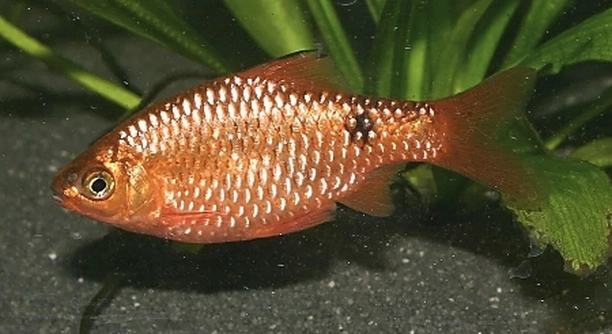
Rosy barbs are colorful freshwater fish popular in many home aquariums. Their behavior and daily patterns can be fascinating to observe. Many fish owners notice how these lively creatures respond to changes in light throughout the day.
Rosy barbs possess an internal biological clock that helps them distinguish day from night. This circadian rhythm allows them to respond to light cues and adjust their activity levels accordingly, ensuring they remain active during daylight and rest when it’s dark.
Understanding how rosy barbs manage their day and night cycle offers valuable insight into their care and environment. This knowledge can improve how we create comfortable habitats for these vibrant fish.
How Rosy Barbs Use Light to Tell Time
Rosy barbs rely heavily on light to regulate their daily activities. Their eyes detect changes in brightness, signaling when it’s time to be active or rest. During the day, they swim actively, forage for food, and interact with their environment. When darkness falls, their activity slows down, and they seek shelter to rest. This natural rhythm is essential for their health and well-being. Sudden changes in light, such as turning aquarium lights on or off abruptly, can disrupt their pattern, causing stress. A consistent light schedule that mimics natural daylight and night cycles helps maintain their internal clock. It also supports their feeding habits and breeding cycles, which are tied to the time of day. For aquarium owners, understanding this behavior ensures a better environment, reducing stress and promoting vibrant, healthy fish. Providing a regular light-dark schedule is a simple yet effective way to care for rosy barbs.
Light plays a key role in maintaining rosy barbs’ biological rhythm. Consistent exposure to light and darkness supports their natural habits.
Setting up a proper lighting schedule is vital. Ideally, rosy barbs should experience about 10 to 12 hours of light daily. Avoid leaving the lights on for too long, as it can lead to overstimulation. Likewise, total darkness for extended periods is harmful since it disrupts their rest. A timer can help maintain regular cycles without much effort. Observing their activity levels can indicate if the lighting is appropriate. Fish that are restless at night or inactive during the day may be experiencing stress from irregular light patterns. Consistent light management improves their overall health and behavior, making the aquarium a more pleasant space for both the fish and their owner.
The Impact of Light on Rosy Barb Behavior
Rosy barbs respond quickly to changes in light intensity. Bright light encourages exploration and social interaction, while dim or absent light signals rest time. This behavioral shift is closely tied to their survival instincts in the wild, helping them avoid predators during low visibility. In an aquarium, replicating these natural conditions supports their well-being. Sudden or unnatural lighting changes can cause confusion and stress, which may affect their immune system. By controlling light exposure, owners can promote calm and reduce aggressive behaviors that sometimes arise from stress. Proper lighting also influences their coloration, helping maintain their vibrant appearance. Overall, managing light is a straightforward but crucial aspect of caring for rosy barbs, impacting their daily routine and long-term health.
Rosy Barbs’ Vision and Light Sensitivity
Rosy barbs have well-developed eyes that detect changes in light intensity. Their sensitivity helps them adjust behavior to different times of day, promoting survival and comfort in their environment.
Their vision allows them to respond quickly to light shifts, guiding activities like feeding and schooling. In low light, their movement slows, conserving energy and avoiding predators. Bright light increases alertness and social interaction, improving their chances of finding food and mates. These adjustments happen naturally, supporting their circadian rhythm. Aquarium lighting should reflect these patterns to maintain fish health and reduce stress. Overly bright or constantly changing light can confuse them, disrupting daily routines.
Because rosy barbs rely heavily on light cues, the quality of aquarium lighting matters. Using full-spectrum lights that mimic natural daylight can enhance their vision and coloration. Additionally, gradual dimming and brightening help simulate sunrise and sunset, easing their transition between day and night. These lighting techniques foster natural behaviors, encouraging active swimming during the day and restful periods at night. Paying attention to these details improves the overall aquarium environment for rosy barbs.
Adjusting Aquarium Light for Rosy Barbs’ Health
Keeping a stable lighting schedule is important for rosy barbs. Too much or too little light can affect their well-being and behavior.
Sudden or prolonged changes in lighting can cause stress and lead to weakened immune responses. Fish may become lethargic or overly aggressive under inconsistent light conditions. A timer helps maintain a regular cycle, typically 10 to 12 hours of light daily, followed by darkness. This routine supports natural feeding and rest patterns, promoting growth and vitality. Dimming lights gradually simulates dawn and dusk, making transitions smoother. Proper lighting also encourages breeding behavior in rosy barbs, as they rely on light cues for reproduction cycles. Consistent lighting care benefits both the fish and the aquarium’s visual appeal.
Natural Day-Night Cycles in the Wild
In the wild, rosy barbs experience natural sunrise and sunset, which guide their daily rhythm. These gradual light changes signal when to feed and when to rest.
Their environment provides consistent cues that help maintain their internal clock. This natural light pattern is important for healthy behavior and survival.
Artificial Lighting vs. Natural Light
Artificial aquarium lighting can mimic natural light but often lacks the gradual shifts of dawn and dusk. This difference may affect rosy barbs’ behavior.
Using adjustable lights or timers to create smooth transitions can better support their natural rhythms and reduce stress.
Importance of Light Duration
The length of time lights stay on impacts rosy barbs’ health and activity levels. Overexposure to light can lead to stress and fatigue.
Limiting light to 10-12 hours daily helps maintain balance between active periods and rest, promoting their overall well-being.
Signs of Light Stress
Rosy barbs showing faded colors, hiding, or erratic swimming may be stressed by improper lighting. Adjusting the light intensity or schedule can help.
FAQ
Can rosy barbs see in the dark?
Rosy barbs have good vision in low light but cannot see well in complete darkness. They rely on dim light to navigate and find shelter at night. Total darkness signals rest time, helping them conserve energy until daylight returns.
How important is light for rosy barbs’ feeding habits?
Light plays a crucial role in their feeding routine. During daylight, rosy barbs actively search for food and interact with other fish. Without proper lighting, their appetite and activity can decrease, affecting their health. A consistent light schedule helps keep their feeding behavior normal.
What happens if aquarium lights are on too long?
Excessive light can stress rosy barbs, leading to fatigue and a weakened immune system. It may also encourage algae growth in the tank, reducing water quality. Limiting light exposure to around 10-12 hours daily prevents these issues and supports fish well-being.
Can sudden changes in lighting harm rosy barbs?
Yes, sudden changes can confuse and stress them. Abrupt light shifts interfere with their circadian rhythm and cause behavioral problems like hiding or erratic swimming. Using timers or gradual dimming helps smooth transitions and reduce stress.
Is natural sunlight better than artificial light for rosy barbs?
Natural sunlight provides full-spectrum light and natural timing, which is ideal. However, direct sunlight can cause temperature spikes and algae growth in tanks. Quality artificial lights designed for aquariums can effectively mimic natural light while avoiding these problems.
How can I simulate natural light cycles in my aquarium?
Using timers to set consistent light and dark periods is the easiest way. Gradually increasing and decreasing light intensity can simulate sunrise and sunset. This approach supports natural behavior, reduces stress, and improves overall fish health.
Do rosy barbs need complete darkness at night?
Yes, they require a period of darkness to rest properly. Continuous light or very dim light at night disrupts their rest cycle, leading to stress and poor health. Providing 10-12 hours of darkness each night ensures they recover and stay active during the day.
Can lighting affect rosy barbs’ color?
Lighting impacts their coloration. Proper full-spectrum lighting helps bring out their vibrant colors, while poor lighting can cause dullness. Consistent light schedules also support healthy skin and scale condition.
What signs show that lighting is affecting my rosy barbs negatively?
Faded colors, hiding, lack of appetite, or restless swimming may indicate light-related stress. Adjusting the light duration, intensity, or schedule usually helps improve their behavior and appearance.
Is it necessary to turn off the aquarium light every day?
Yes, turning off the light daily is important. It mimics natural night cycles and supports the fish’s internal clock. Leaving the light on 24/7 can lead to stress and health problems.
Can too little light be harmful to rosy barbs?
Insufficient light disrupts their activity and feeding patterns. They may become inactive or stressed, which affects their growth and immune system. Maintaining a balanced light schedule is key for their well-being.
How do rosy barbs react to seasonal changes in daylight?
In the wild, seasonal daylight variations affect their breeding and feeding behavior. In an aquarium, stable lighting reduces stress caused by these changes. Adjusting light duration slightly to mimic seasons can encourage natural behaviors.
Are there specific types of aquarium lights best suited for rosy barbs?
Full-spectrum LED lights designed for freshwater tanks are ideal. They provide balanced light that enhances coloration and supports biological rhythms. Avoid overly bright or harsh lights that can cause stress.
Can lighting influence breeding behavior in rosy barbs?
Yes, proper lighting is one factor that encourages spawning. Consistent day-night cycles and the right light intensity can trigger reproductive behaviors and improve breeding success.
What role does light play in rosy barbs’ overall health?
Light regulates their internal clock, affecting activity, feeding, and rest. Balanced lighting helps maintain stress levels, immune function, and natural behavior. It is essential for a healthy, thriving fish environment.
Rosy barbs depend on light to help them tell day from night. Their internal biological clock works with the light cues they receive to keep their daily rhythm steady. When the lights are on, they become active, swimming around and searching for food. When it gets dark, they slow down and rest. This cycle is important for their health and well-being. Keeping a consistent light schedule in the aquarium helps support their natural behavior and reduces stress. Without regular light and dark periods, rosy barbs can become confused, which may affect their appetite and energy levels.
The quality and timing of light in the aquarium play a big role in how well rosy barbs do. Using full-spectrum lighting that mimics natural daylight helps bring out their bright colors and keeps their eyes healthy. It is also helpful to create smooth changes between light and darkness, similar to sunrise and sunset. This gentle shift makes it easier for the fish to adjust and keeps their internal clock running well. Avoiding sudden changes in lighting reduces stress and prevents behavior problems like hiding or erratic swimming. For the best care, it is good to provide about 10 to 12 hours of light each day and make sure they have enough darkness to rest properly.
Understanding how rosy barbs react to light can improve how we care for them. By paying attention to their environment and setting up proper lighting, we help them live healthier and more natural lives. Consistent light cycles support feeding, activity, and even breeding behaviors. They also reduce stress and promote a calm tank atmosphere. Taking the time to arrange the right light schedule is a simple step that can make a big difference in the health and happiness of rosy barbs. With the right care, these beautiful fish can thrive and brighten any aquarium.

Hello,
If you enjoy the content that we create, please consider saying a "Thank You!" by leaving a tip.
Every little bit helps us continue crafting quality advice that supports the health, happiness, and well-being of pets around the world, for pets of all shapes, sizes, and species.
We really appreciate the kindness and support that you show us!