
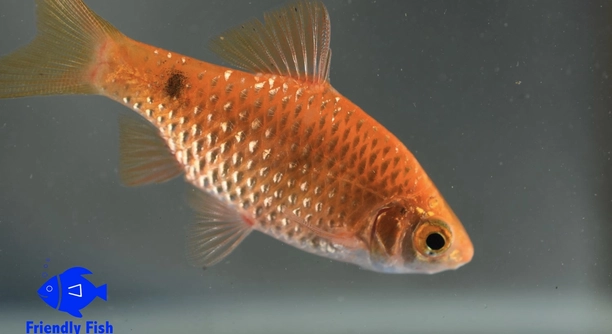
Rosy Barbs are small, colorful fish that many aquarium lovers enjoy keeping. Their lively movements and bright hues make them a popular choice for home tanks. Observing their behavior can be quite fascinating, especially during breeding season.
Rosy Barbs do exhibit mating behaviors, but they do not perform elaborate mating dances like some other fish species. Their courtship involves chasing and displaying vibrant colors to attract mates, which is a more subtle form of interaction.
Understanding how Rosy Barbs behave during mating can help hobbyists create better environments for breeding. This article explores their unique ways of attracting partners and what to expect in your aquarium.
How Rosy Barbs Show Their Mating Behavior
When Rosy Barbs are ready to mate, their behavior changes noticeably. Males become more vibrant, showing off their bright red and orange colors to attract females. They swim actively around the tank, sometimes chasing the females gently. This chasing is not aggressive but part of their courtship. The males may also nudge the females lightly to encourage spawning. These actions are their way of signaling readiness without flashy dances. Spawning usually happens among plants or near the tank bottom, where the female lays eggs. The male then fertilizes them by releasing sperm. After spawning, the adults may eat the eggs if not separated, so careful tank management is important to protect the eggs. This simple form of interaction is common in many barb species and reflects their natural behavior in the wild. Watching these subtle signs can be rewarding for those breeding Rosy Barbs at home.
Mating behaviors in Rosy Barbs are natural and mostly consist of color display and gentle chasing. These behaviors help the fish communicate readiness without complicated rituals.
The straightforward nature of Rosy Barbs’ mating makes them easier to care for in breeding setups. They do not require elaborate conditions but benefit from a well-planted tank to feel secure during spawning. Keeping males and females together allows their natural behavior to occur, with males showing off their brighter colors. Ensuring proper water quality and temperature helps support their reproductive cycle. Watching their natural courtship provides insight into their needs and habits, helping improve care and breeding success.
Setting Up the Tank for Mating
Creating a good environment is key to encouraging Rosy Barbs to mate. A planted tank with calm water conditions works best.
A well-planted tank gives Rosy Barbs places to hide and lay eggs safely. Plants like Java moss or fine-leaved species provide excellent spawning sites. Gentle water movement and stable temperatures also reduce stress and encourage natural behavior. A tank size of at least 20 gallons helps maintain water quality and provides enough space for the fish to swim freely. Balanced feeding with live or frozen foods can improve their health and readiness to breed. Avoiding overcrowding reduces competition and aggression, making the fish more comfortable to engage in mating. Observing these tank conditions will make breeding attempts more successful and less stressful for the fish.
Recognizing Mating Readiness in Rosy Barbs
Males display brighter colors and become more active when ready to mate. Females may appear rounder as they carry eggs.
Watching these changes can help you know when your Rosy Barbs are preparing to spawn. Males will often chase females more frequently and flare their fins to show off. Females may hide in plants before releasing eggs. These signs show they are in breeding condition. Knowing this helps with timing for tank preparation or separating adults to protect eggs from being eaten.
Feeding high-quality live or frozen foods during this period supports their health and encourages spawning. Maintaining stable water conditions also helps keep the fish comfortable and ready to breed, reducing stress that might delay mating behavior.
Protecting Eggs and Fry
After spawning, eggs need protection to increase survival chances. Adults might eat the eggs if left together.
Separating the adults from the eggs or using a breeding tank can help prevent this. Eggs typically hatch in about two days, and fry become free-swimming after several days. Providing gentle filtration and frequent small feedings of infusoria or specially prepared fry food supports healthy growth. Keeping water clean and stable is essential during this delicate phase to avoid disease and stress. Watching the fry grow and develop can be very rewarding, as they slowly gain color and personality over time.
Common Mistakes When Breeding Rosy Barbs
Overcrowding the tank can stress Rosy Barbs and reduce spawning success. Lack of hiding spots may cause eggs to be eaten.
Poor water quality is another frequent issue. Regular water changes and proper filtration are essential to keep the environment safe for both adults and fry.
Feeding Tips for Breeding Rosy Barbs
A varied diet rich in protein improves the health and breeding readiness of Rosy Barbs. Live foods like brine shrimp and bloodworms are ideal supplements during breeding.
Providing nutritious meals consistently helps the fish develop strong eggs and increases the chances of successful spawning. Avoid overfeeding to maintain water quality.
Watching Rosy Barbs’ Behavior Post-Spawning
After spawning, Rosy Barbs often return to their normal activity levels. Males may lose some of their bright color.
Monitoring this change helps know when the breeding cycle has ended and when to prepare for the next one.
FAQ
Can Rosy Barbs mate with other barb species?
Rosy Barbs can sometimes breed with closely related barb species, but it is not very common or recommended. Crossbreeding can produce hybrids that may have unpredictable traits or weaker health. For best results, it’s ideal to keep only Rosy Barbs together when trying to breed.
How long does it take for Rosy Barb eggs to hatch?
The eggs usually hatch within 24 to 48 hours after spawning, depending on the water temperature. Warmer water speeds up development, while cooler temperatures slow it down. After hatching, the fry remain attached to the surface for a day before swimming freely.
Do Rosy Barbs need special lighting to breed?
Special lighting is not necessary for Rosy Barbs to breed. Normal aquarium lighting with a regular day-night cycle is sufficient. Too much bright light might stress the fish, so providing a balance with some shaded areas from plants helps create a comfortable environment.
What should I feed Rosy Barb fry?
Newly hatched fry need very small, easy-to-eat food like infusoria or commercially prepared liquid fry food. As they grow, you can introduce finely crushed flakes or baby brine shrimp. Feeding small amounts multiple times a day supports healthy growth and reduces leftover food in the tank.
How often do Rosy Barbs spawn?
Rosy Barbs can spawn multiple times during the warmer months if conditions are right. In a well-maintained tank with stable temperature and good nutrition, they might spawn every few weeks. However, giving the fish breaks between spawning helps maintain their health.
Will adult Rosy Barbs eat their eggs or fry?
Yes, adult Rosy Barbs often eat their own eggs or fry if left together. This is a natural behavior to reduce competition for resources. To protect the eggs and young fry, it’s best to remove adults after spawning or use a separate breeding tank.
Can I use a breeding trap for Rosy Barbs?
Breeding traps or nets can be helpful to separate eggs from adults, reducing the chance of egg predation. They should allow good water flow and have enough space for the eggs to develop safely. This method makes it easier to care for both adults and fry separately.
How do water parameters affect Rosy Barb breeding?
Stable water conditions are important for successful breeding. Ideal temperature ranges from 22 to 26°C (72 to 79°F). pH should be slightly acidic to neutral, around 6.5 to 7.5. Sudden changes in water quality or temperature can stress the fish and delay spawning.
Is it necessary to condition Rosy Barbs before breeding?
Conditioning, or feeding high-quality live or frozen foods for 1–2 weeks before breeding, improves their health and readiness. This practice encourages stronger coloration and better egg production. It also helps reduce stress and increases the likelihood of successful spawning.
How can I tell male and female Rosy Barbs apart?
Males are generally slimmer with brighter red or orange coloration, especially on the fins and belly. Females tend to be rounder, especially when carrying eggs, and their colors are more muted. These differences become more obvious during breeding season.
Are Rosy Barbs aggressive during mating?
Rosy Barbs are generally peaceful but males can show mild chasing behavior during courtship. This chasing is not harmful and is part of their natural mating ritual. It’s important to provide enough space so that females can avoid excessive chasing if needed.
Can Rosy Barbs breed in community tanks?
Breeding Rosy Barbs in community tanks is possible but difficult. Other fish may eat eggs or fry, and competition can cause stress. For better success, breeding them in a separate tank or using breeding traps is recommended to protect young fish.
What signs show that Rosy Barbs have finished spawning?
After spawning, males usually lose their bright colors and return to normal swimming patterns. Females stop hiding and appear less round. Eggs or fry presence is the best confirmation that spawning took place. Watching these signs helps know when to remove adults if necessary.
How long does it take for Rosy Barb fry to mature?
Rosy Barb fry grow quickly and reach juvenile stage within a few weeks. Full maturity usually occurs around 6 to 8 months. During this time, their colors develop gradually, and they start to show adult behaviors.
Can I breed Rosy Barbs without a heater?
Breeding without a heater is possible in naturally warm climates but less reliable. Stable temperatures around 22 to 26°C are best for encouraging spawning and healthy fry development. Using a heater ensures consistent conditions regardless of room temperature changes.
What is the best way to introduce breeding pairs?
Introducing males and females gradually in a spacious tank with hiding places reduces stress. Observing their interactions helps confirm compatibility. Avoid overcrowding to prevent aggression, and maintain good water quality to support their health during breeding.
This FAQ covers many practical details about Rosy Barb breeding to help you better understand their needs and increase your chances of success.
Rosy Barbs are beautiful and lively fish that bring a lot of enjoyment to aquarium keepers. Their natural behaviors, including mating habits, are simple and easy to observe. Unlike some fish species that perform elaborate mating dances, Rosy Barbs show their readiness through color changes and gentle chasing. Understanding these behaviors helps in providing the right environment for them to breed successfully. Watching their interactions can be interesting, especially when you know what signs to look for. This makes caring for them more rewarding and less stressful for both the fish and the owner.
Creating the right conditions for Rosy Barbs to mate is important. They need a well-planted tank with stable water temperature and good quality. Having places to hide and spawn gives the fish confidence and reduces stress. Feeding them a nutritious diet, especially live or frozen foods, improves their health and increases the chances of breeding. It is also important to protect the eggs and fry from adult fish, as Rosy Barbs may eat their own young if given the chance. Separating adults after spawning or using breeding traps can help keep the eggs safe and improve survival rates.
Patience is key when breeding Rosy Barbs. Their simple courtship means there is no quick or flashy display to rush the process. Keeping the tank clean, maintaining steady water conditions, and providing good food support their natural breeding cycle. Over time, you will learn to recognize their subtle signs of readiness and enjoy the experience of raising healthy fry. This gentle approach to breeding fits well with the easygoing nature of Rosy Barbs, making them a good choice for both beginner and experienced fishkeepers.

Hello,
If you enjoy the content that we create, please consider saying a "Thank You!" by leaving a tip.
Every little bit helps us continue crafting quality advice that supports the health, happiness, and well-being of pets around the world, for pets of all shapes, sizes, and species.
We really appreciate the kindness and support that you show us!