
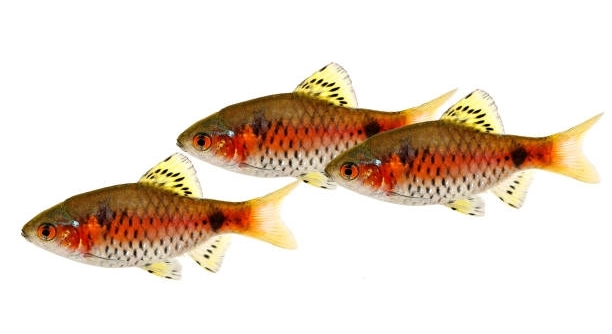
Rosy barbs are popular freshwater fish known for their lively colors and active behavior. Many aquarium owners enjoy watching them interact in the tank. Their movements often seem unique, sparking interest in their individual traits and habits.
Rosy barbs do display individual quirks that differentiate one from another. These differences include variations in swimming patterns, feeding behavior, and responses to environmental changes. Such individuality is influenced by genetics, social interactions, and habitat conditions within the aquarium.
Recognizing these traits helps hobbyists better understand and care for their fish. Exploring their behavior reveals more about their natural personalities and needs in a home aquarium.
Recognizing Individual Behaviors in Rosy Barbs
Observing rosy barbs closely reveals small but clear differences in how each fish behaves. Some may be more curious, swimming boldly around the tank, while others stay near plants or decorations, seeming more reserved. Feeding time often highlights these quirks, as certain fish are quick to snap at food, while others wait their turn. These variations are natural and reflect the fish’s unique personality and comfort level in their environment. Changes in tank conditions, such as water temperature or light, can also affect their behavior. When fish show different reactions to these changes, it further confirms their individuality. Watching these distinct behaviors can make caring for rosy barbs more rewarding, as it allows for a deeper connection and understanding of each fish. It also helps in monitoring their health and well-being by noting any sudden behavior changes that might signal stress or illness.
Individual differences are common and not a cause for concern in a healthy tank.
Understanding these unique behaviors improves how you set up and maintain your aquarium. Adjusting feeding routines or tank arrangements to suit the fish’s preferences can lead to a calmer, more balanced environment. Paying attention to individual activity helps in spotting early signs of health issues. For example, a usually active fish becoming lethargic might need more attention. Encouraging natural behaviors through proper tank design and social groupings also benefits their overall well-being. This attention to detail turns a simple fish tank into a lively ecosystem where each rosy barb thrives. Such care ensures the fish remain healthy and active, making your aquarium a pleasant and engaging display. Recognizing these subtle quirks makes the experience of keeping rosy barbs more enjoyable and fulfilling.
Factors Influencing Quirks in Rosy Barbs
Tank conditions, social dynamics, and genetics all play roles in shaping the unique behaviors of rosy barbs.
The environment within the aquarium has a major impact on how rosy barbs behave individually. Water quality, temperature, and space all contribute to their comfort and activity levels. Social factors, such as group size and hierarchy, influence how confident or shy a fish may appear. Genetic traits inherited from parents also determine baseline personality differences, just as they do in other animals. Changes in any of these factors can alter how a fish acts. Keeping stable conditions supports consistent behavior, while sudden changes can cause stress or unusual actions. Monitoring these influences helps maintain a healthy, balanced aquarium where each fish’s natural personality can shine. Maintaining good water quality and appropriate social settings encourages positive behaviors and reduces conflicts or stress-related issues.
Identifying Unique Swimming Patterns
Rosy barbs show a variety of swimming styles. Some glide smoothly, while others dart quickly. These patterns help distinguish individual fish.
These swimming habits are influenced by personality and health. A confident rosy barb often explores the entire tank, while a shy one sticks to corners or plants. Changes in swimming speed or style can indicate stress or illness. Regularly watching these movements gives insight into each fish’s mood and well-being. It also helps in spotting any dominant fish that may be affecting the group dynamic. Understanding these patterns supports better tank management and fish care.
Swimming patterns can also be shaped by tank layout and companions. An open tank encourages more active swimming, while crowded spaces may limit movement. Social hierarchy influences swimming routes too; dominant fish might claim prime swimming areas. Recognizing these factors helps in creating an environment where all rosy barbs feel safe to express their natural behavior, leading to a healthier aquarium.
Social Behavior and Individuality
Rosy barbs communicate through subtle body language and movement. Social interactions show their distinct personalities clearly.
Dominance, playfulness, and avoidance are common behaviors reflecting each fish’s character. Some rosy barbs lead groups, while others prefer to stay on the sidelines. These roles develop naturally based on temperament and social comfort. Observing these interactions provides clues about each fish’s confidence and status within the tank. It also helps prevent bullying by adjusting group size or introducing new tank mates carefully. Monitoring social behavior contributes to a peaceful aquarium, where every fish’s quirks are respected and managed effectively.
Feeding Habits Vary Among Rosy Barbs
Some rosy barbs eagerly compete for food, while others wait patiently. These differences show their individual feeding styles and comfort levels during mealtime.
Feeding behavior is a good indicator of personality. Bold fish tend to be quicker and more aggressive, while shy ones may take longer to approach food. Observing these habits can help adjust feeding strategies to ensure all fish get enough nutrition.
Impact of Tank Environment
The tank’s size, decorations, and water conditions influence how each rosy barb behaves. A well-structured environment encourages natural quirks and reduces stress.
Genetic Influence on Behavior
Genetics play a key role in shaping a rosy barb’s temperament. Inherited traits affect activity levels, curiosity, and social interactions within the group.
Monitoring Changes Over Time
Tracking behavior changes helps detect health or environmental issues early, allowing timely care adjustments to maintain a balanced tank.
FAQ
Can rosy barbs really show individual personalities?
Yes, rosy barbs do exhibit individual personalities. Each fish can behave differently based on temperament, environment, and genetics. Some are more active and outgoing, while others are calm or shy. These unique traits become noticeable through their swimming, feeding habits, and social interactions within the tank.
How can I tell if a rosy barb is shy or bold?
A bold rosy barb tends to swim openly around the tank and quickly approach food during feeding time. A shy one usually hides among plants or decorations and hesitates when food is introduced. Observing their position in the tank and response to movement helps identify their personality type.
Do rosy barbs change their behavior over time?
Yes, their behavior can change with age, health, and environmental conditions. Young rosy barbs may be more active and curious, while older fish often slow down. Stress or poor water quality can also cause sudden behavior shifts. Regular observation is important to notice these changes early.
Can tank mates affect individual quirks in rosy barbs?
Definitely. The presence and behavior of tank mates influence how a rosy barb acts. Aggressive or dominant fish may cause others to become more reserved or hide. A peaceful group encourages natural behavior and allows each fish’s personality to show more clearly. Group dynamics play a big role in their interactions.
Is it normal for some rosy barbs to eat more than others?
Yes, it is normal. Differences in appetite reflect individual needs and social ranking within the tank. Dominant fish often eat first and more, while shy fish may eat less or wait longer. Feeding smaller amounts multiple times a day helps ensure all fish get proper nutrition.
How does tank size affect rosy barbs’ behavior?
Tank size impacts activity levels and social behavior. Larger tanks offer more space to explore and express natural quirks. Smaller tanks can cause stress, crowding, and competition. Providing enough room reduces aggressive behavior and supports a healthy, balanced environment for all fish.
Can stress mask a rosy barb’s true personality?
Yes, stress can suppress natural behavior and make a normally active fish appear withdrawn or lethargic. Causes include poor water quality, overcrowding, or sudden changes in the tank. Reducing stress factors helps rosy barbs return to their normal activity and express their individual traits again.
What role does genetics play in rosy barb behavior?
Genetics determine basic temperament traits such as activity level, boldness, and social behavior. While environment influences behavior, inherited traits set the foundation for how a rosy barb naturally acts. Different breeding lines may show variations in personality and appearance.
How can I encourage natural behavior in rosy barbs?
Maintaining clean water, a well-planted tank, and a balanced social group helps encourage natural behaviors. Providing hiding spots and varied food supports comfort and exploration. Avoiding sudden changes or overcrowding reduces stress and allows fish to express their individual quirks freely.
Is it necessary to separate aggressive rosy barbs?
If aggression causes injury or prevents other fish from feeding, separating or rearranging the tank may be necessary. Monitoring behavior closely helps decide when intervention is needed. Providing enough space and hiding spots often reduces aggression without the need for separation.
How often should I observe my rosy barbs to understand their quirks?
Daily observation during feeding and tank maintenance is ideal. Watching for consistent behavior patterns over weeks helps identify individual quirks and detect changes. This routine allows early action if any fish shows signs of stress or illness.
Can I train rosy barbs to recognize me or feed from my hand?
Rosy barbs can become familiar with their owner’s presence and may respond to feeding routines. Hand feeding is possible but requires patience and consistency. This interaction strengthens the bond and allows closer observation of their unique behaviors.
What signs indicate a rosy barb is stressed or unhealthy?
Signs include erratic swimming, loss of appetite, hiding excessively, or changes in color. Lethargy and clamped fins are also common indicators. Noticing these early allows timely treatment and adjustments to tank conditions to support recovery.
Does water temperature influence individual behavior?
Yes, water temperature affects metabolism and activity levels. Rosy barbs are more active in their ideal temperature range (around 20-25°C or 68-77°F). Temperatures outside this range can make fish sluggish or overly restless, altering their typical behavior.
Can rosy barbs develop habits or routines?
They can develop habits, especially related to feeding and daily light cycles. Consistent feeding times lead to predictable activity spikes. Recognizing these routines helps in caring for them and observing any deviations that might indicate issues.
Is it possible for rosy barbs to become territorial?
While generally peaceful, some individuals may show territorial behavior, especially in crowded tanks. Dominant fish may defend certain areas or resources. Providing enough space and hiding spots minimizes territorial disputes.
These frequently asked questions cover many aspects of rosy barbs’ individuality and care. Understanding these points helps create a better environment and enriches the experience of keeping these charming fish.
Rosy barbs are more than just colorful additions to an aquarium. Each fish brings its own subtle personality and unique behaviors that make watching them a more engaging experience. These individual quirks can show through how they swim, interact with others, and respond to feeding times. Recognizing and appreciating these differences allows for better care and a deeper connection with the fish. It also helps in creating a balanced environment where each rosy barb can feel comfortable and express its natural traits. Understanding their individuality is important for both new and experienced fishkeepers.
Providing the right conditions plays a big role in allowing these individual behaviors to come through. A clean tank with proper water parameters, enough space, and suitable tank mates helps reduce stress. When stress is low, rosy barbs are more likely to show their true personalities. Observing them regularly helps identify any changes that might signal health problems or discomfort. It also provides valuable insight into how the fish interact within the group. Making adjustments based on what you see can improve their well-being and the overall harmony in the aquarium.
In the end, the small quirks and differences among rosy barbs make each fish special. Paying attention to these details not only improves their care but also makes fishkeeping more rewarding. By respecting their individuality and maintaining a supportive environment, you help ensure that your rosy barbs remain healthy and active. This creates a lively and enjoyable aquarium where every fish has a place to thrive. These little distinctions are what make keeping rosy barbs an interesting and fulfilling hobby.

Hello,
If you enjoy the content that we create, please consider saying a "Thank You!" by leaving a tip.
Every little bit helps us continue crafting quality advice that supports the health, happiness, and well-being of pets around the world, for pets of all shapes, sizes, and species.
We really appreciate the kindness and support that you show us!