
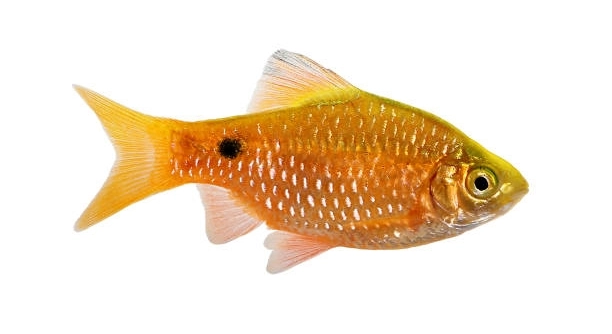
Do you ever find yourself watching your Rosy Barbs swim near the filter outflow and wonder if they can actually compete with it?
Rosy Barbs can handle moderate filter outflow due to their strong swimming abilities. However, excessively strong currents can stress them, impacting their health and behavior. It’s important to assess tank flow and adjust settings accordingly.
The flow strength, tank layout, and fish temperament all play a role in how well your Rosy Barbs adapt to moving water.
How Strong Is Too Strong?
Rosy Barbs are active swimmers that can tolerate moderate water flow, especially in well-sized aquariums. In their natural habitat, they swim in streams and rivers with gentle to moderate currents. However, aquarium filters can sometimes produce a flow that’s too intense for them to swim against comfortably. If the outflow is strong enough to push your fish across the tank or keep them from swimming freely, it’s likely too strong. Over time, this can lead to stress, fatigue, and even weakened immune responses. You might notice them hiding behind plants or decor, avoiding the flow altogether. It’s important to balance the benefits of a clean tank with your fish’s ability to move without struggle. Adding plants, rocks, or driftwood can break up strong currents and create calmer zones. Some filters also come with adjustable flow settings, which make it easier to find the right balance for your fish.
Fish that constantly struggle in the current are at risk for health issues. Strong outflow can make it hard for them to rest or reach food.
The best way to tell if the flow is too strong is by watching how your Rosy Barbs behave throughout the day. If they constantly swim against the current without rest, stay away from the filter area, or display erratic swimming patterns, you may need to make adjustments. The outflow should allow them to swim with some resistance but not cause them to tire easily. Remember, Rosy Barbs are playful but not aggressive fighters of flow. A good setup lets them explore without wearing themselves out. Consider positioning the filter toward a tank wall or behind tall decorations to break up the stream. You don’t need to turn off filtration—just help shape the flow into something your fish can handle with ease.
Helping Rosy Barbs Thrive
A well-arranged tank makes a big difference in how your Rosy Barbs respond to water flow. Use plants and hardscape to create a natural buffer.
Tank layout should always support the comfort and health of your fish. If your Rosy Barbs are stuck battling against current, they’ll end up stressed and less active. By placing tall plants or decorations near the filter outflow, you reduce the strength of the stream before it reaches open swimming space. Floating plants can also help slow down surface turbulence. This lets your fish explore and rest without having to constantly fight the water. For filters without adjustable settings, placing a sponge over the outflow or attaching a baffle can help soften the stream. A calm but circulating current keeps the water oxygenated and clean, while still allowing Rosy Barbs the freedom to swim and explore. Creating zones of slower water helps give them choice—some areas to play, others to relax. Keep observing their behavior and adjust your setup as needed.
Spotting Signs of Stress
Rosy Barbs that feel overwhelmed by the current may show changes in behavior, like staying at the bottom or hiding more often. Watch for signs like loss of appetite, clamped fins, or erratic swimming, which can all point to stress caused by strong water flow.
If your fish are spending most of their time behind decorations or pressed against tank walls, they may be trying to avoid the filter outflow. Active swimmers like Rosy Barbs should move around the tank comfortably. If they seem hesitant or overly tired after swimming near the filter, it’s a good sign the current is too strong. Another sign to watch for is difficulty staying in one place—if they’re constantly drifting when not swimming hard, the flow might need adjusting. Stress can weaken their immune system, making them more vulnerable to illness. It’s better to act early before health issues show up.
Rosy Barbs usually swim in small groups, moving freely across the middle and lower parts of the tank. When something is off, they can start separating from the group or hovering near the substrate. If you notice them gasping at the surface or darting suddenly, that could also signal poor tank conditions or overwhelming current. Take a closer look at both the water parameters and the outflow strength. Keep in mind that even active fish need breaks. A setup that forces them to constantly swim just to stay in place isn’t ideal. Creating safe zones and adjusting your filter helps prevent stress-related problems and keeps them healthy and active.
Adjusting the Setup Safely
Try redirecting the filter outflow toward a tank wall or using plants to break the stream. This softens the current and helps reduce the stress on your Rosy Barbs.
If your filter has an adjustable flow control, lowering the output is the simplest solution. For filters without this feature, consider placing a sponge pre-filter or baffle on the outflow to slow things down. Adding large-leaf plants, tall decor, or rocks around the outflow also works well to disperse the current. Floating plants are especially helpful in calming surface movement. You can even try positioning the filter in a way that the stream hits glass or decor before reaching open space. It’s important to test changes by watching how your Rosy Barbs respond. Look for smoother swimming, more time exploring, and less hiding. Small tweaks to layout or equipment can make the tank much more comfortable for them.
When the Flow Works in Their Favor
A gentle current can actually benefit Rosy Barbs by encouraging natural swimming behaviors and helping to keep the tank clean. It can also prevent dead zones where debris builds up, making maintenance easier for you.
Mild flow promotes exercise and keeps your Rosy Barbs active without overworking them. When balanced, it supports both their health and energy levels.
Tank Mates and Current Levels
Some tank mates may prefer calmer waters, while others enjoy stronger flow. When choosing companions for Rosy Barbs, it’s important to consider their comfort with current levels. Fish like Danios or Rainbowfish can handle similar flow, but slower swimmers may struggle. Make sure your setup suits all species in the tank.
Keeping an Eye on Things
Watch your fish regularly, especially after making changes to flow or layout. Their behavior will tell you if the setup is working or needs more adjustment.
FAQ
Can Rosy Barbs live without a strong filter outflow?
Yes, Rosy Barbs can live comfortably without a strong filter outflow. They need clean water, but too much current can cause stress. A gentle to moderate flow is enough to keep the water oxygenated and clean without pushing them too hard. Filters that allow you to adjust flow or create calm areas work best.
How do I reduce the filter outflow if it’s too strong?
You can reduce the flow by adjusting the filter’s flow control if it has one. If not, adding a sponge pre-filter or placing decorations in front of the outflow helps break up the current. Floating plants or tall plants near the outflow also soften the water movement, creating calmer zones for your fish.
What are the signs that Rosy Barbs are stressed by the current?
Look for behaviors like hiding more than usual, clamped fins, loss of appetite, or erratic swimming. If your Rosy Barbs seem tired or constantly fight against the flow, they might be stressed. Swimming near the bottom or avoiding the filter area can also indicate discomfort.
Can tank size affect how Rosy Barbs handle filter outflow?
Yes, tank size matters. In a larger tank, strong outflow might be less stressful because fish have more room to swim away from it. In smaller tanks, strong currents can quickly tire them out since there’s less space to avoid the flow. Always consider tank size when setting up your filter.
Are there other ways to help Rosy Barbs cope with strong currents?
Yes. Adding plenty of plants, rocks, and other decorations helps break up the current and creates resting spots. This allows Rosy Barbs to swim freely when they want and rest when needed. Providing these zones reduces stress and makes the tank feel more natural.
Is it okay if Rosy Barbs avoid the filter outflow area?
It’s normal for fish to avoid strong currents, but if they spend all their time avoiding that area, it might mean the flow is too strong. Fish should have the option to swim freely near the filter without struggling. Creating calm spots near the outflow helps balance their space.
How often should I check the flow strength?
It’s a good idea to monitor flow strength regularly, especially after adding new equipment or rearranging the tank. Fish behavior is the best indicator—if you see signs of stress or fatigue, check the flow immediately. Keeping an eye on the filter’s performance during water changes is helpful too.
Will a stronger flow improve water quality for Rosy Barbs?
Stronger flow can help circulate water and improve filtration, but it isn’t always better. The goal is a balance between good water movement and fish comfort. Too strong a flow causes stress, so it’s better to have moderate flow combined with good tank maintenance.
Can Rosy Barbs adjust to changes in flow over time?
They can adapt to some degree, especially if changes are gradual. Sudden increases in flow may shock them. If you increase flow slowly and provide places to rest, Rosy Barbs usually adjust well. Always watch their response and be ready to make adjustments if needed.
Are there filter types better suited for Rosy Barbs?
Canister filters and sponge filters often offer better flow control. Sponge filters provide gentle water movement, which is ideal for Rosy Barbs. Power filters with adjustable flow settings are also good options. Avoid filters that create very strong jets unless you can modify the outflow.
How can I tell if my filter is too weak?
If water circulation seems poor and debris settles quickly, your filter might be too weak. Weak flow can lead to low oxygen levels, which is harmful. Make sure your filter can turn over the tank water about 4-6 times per hour. Balance flow strength with fish comfort for the best result.
What else should I consider for Rosy Barbs’ comfort?
Besides flow, pay attention to water temperature, tank size, and water quality. Rosy Barbs thrive in temperatures around 72-78°F and prefer slightly hard to moderately soft water. Keeping these stable along with gentle flow creates a healthy environment for them to thrive.
When keeping Rosy Barbs, managing the filter outflow is an important part of creating a comfortable environment. These fish are active swimmers and do enjoy moving water, but too much current can cause them stress and make them less healthy over time. Finding the right balance between clean, well-oxygenated water and a gentle flow that the fish can swim through easily is key. It’s not about having the strongest flow but the most suitable one for their natural swimming ability and tank conditions. A well-planned setup allows Rosy Barbs to explore, exercise, and rest without feeling overwhelmed by strong currents.
Adjusting the filter outflow doesn’t have to be difficult. Many filters come with flow controls, but even if yours doesn’t, small changes can make a big difference. Using plants, rocks, or decorations to break up the water flow can soften strong currents and create peaceful spots where your fish can rest. Floating plants are especially helpful in calming surface water movement. Watching your Rosy Barbs regularly will help you understand how they respond to the flow. If they swim freely, eat well, and appear active, your setup is likely working well. If they hide often or show signs of stress, it’s time to consider changes. These adjustments improve their quality of life and make your tank a healthier environment.
Overall, the goal is to create a tank where your Rosy Barbs can thrive. This means balancing clean water with gentle flow, providing plenty of hiding spots, and paying close attention to their behavior. Remember that each tank is different, so what works for one setup may not work for another. Taking the time to observe your fish and make thoughtful changes ensures they stay happy and healthy. Good tank management involves not just equipment but understanding your fish’s needs and helping them feel safe and comfortable every day.

Hello,
If you enjoy the content that we create, please consider saying a "Thank You!" by leaving a tip.
Every little bit helps us continue crafting quality advice that supports the health, happiness, and well-being of pets around the world, for pets of all shapes, sizes, and species.
We really appreciate the kindness and support that you show us!