
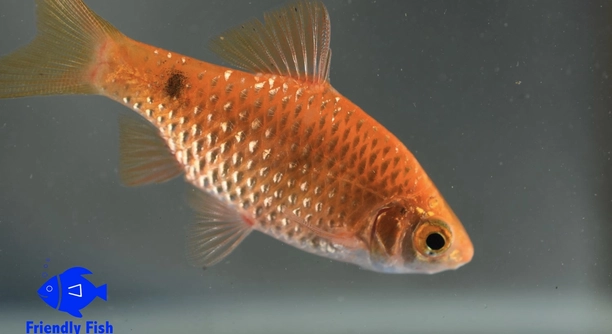
Rosy barbs are popular freshwater fish known for their bright colors and active behavior. Many aquarists enjoy watching them interact, especially when it comes to feeding time in community tanks. Understanding how they compete for food can help create a better environment.
Rosy barbs do compete for feeding spots, often displaying assertive behavior to secure food. Their moderately aggressive nature allows them to establish dominance over slower or less assertive tank mates during feeding periods.
Learning how rosy barbs behave around feeding can improve tank harmony and ensure all fish get enough nutrition. This article explores their feeding dynamics in detail.
How Rosy Barbs Show Competition During Feeding
Rosy barbs often display clear signs of competition when food is introduced. They swim quickly toward the feeding spot and may chase other fish away to secure the best bites. Their schooling behavior helps them stay alert and react fast, which gives them an advantage over less active fish. Sometimes, their fins flare slightly as a sign of dominance, though this rarely leads to serious aggression. These actions are natural and help them get enough food in a shared tank. Observing these behaviors helps aquarium owners understand how feeding time can affect the social structure within the tank. By recognizing how these fish interact, it becomes easier to provide enough food and reduce stress among all tank inhabitants.
This competitive behavior is more about survival instincts than actual aggression, balancing the needs of all fish.
Maintaining a balanced feeding routine, including scattering food over a wider area, helps reduce intense competition. This allows shy or slower fish to get their share without being bullied. Regular observation during feeding times is key to adjusting how and when food is given, ensuring a peaceful environment. Additionally, providing varied food types can keep all fish interested and less focused on direct competition. Such simple adjustments create a healthier tank dynamic and support the well-being of all aquatic pets.
Feeding Tips to Reduce Competition
Feeding small amounts frequently can lessen competition among rosy barbs.
To reduce feeding conflicts, scatter food throughout the tank rather than placing it in one spot. This encourages all fish to eat without intense rivalry. Using sinking pellets or flakes designed for surface feeders ensures each fish can access food comfortably. Avoid overfeeding, as leftover food can harm water quality and increase aggression. Observing feeding behavior regularly helps spot any signs of bullying or stress early. If needed, separate particularly aggressive individuals during feeding times or provide hiding spots for more timid fish. These steps promote a peaceful tank and healthier fish overall.
Recognizing Signs of Feeding Stress
Feeding stress in rosy barbs often shows as increased chasing or hiding. These behaviors indicate some fish may not be getting enough food.
When competition becomes intense, some rosy barbs may become aggressive, constantly chasing others away from feeding spots. This can lead to weaker fish missing meals, causing them to lose weight or become stressed. Hiding is another common response, where less dominant fish avoid the feeding area entirely. Stress affects their health and can make them more vulnerable to disease. Watching for these signs helps prevent long-term problems by adjusting feeding methods or tank setup.
If feeding stress continues, it may be necessary to feed in separate areas or increase hiding spots. Creating a calm environment encourages all fish to feed comfortably, promoting better overall health and reducing tension within the tank.
Adjusting Tank Conditions to Improve Feeding Harmony
Maintaining proper tank conditions can help reduce competition during feeding times. A well-planted tank offers hiding spots and breaks sightlines.
Plants and decorations provide places for shy fish to escape aggressive barbs during feeding. These areas reduce stress and allow all fish to eat at their own pace. Adjusting lighting to mimic natural daylight also calms fish, making them less likely to fight. Ensuring good water quality supports healthy behavior and appetite. Overstocked tanks increase competition, so keeping a proper number of fish prevents overcrowding. Monitoring water parameters regularly helps maintain a stable environment, which directly impacts feeding behavior. Small changes in tank setup often result in big improvements in how peacefully fish share their food.
Feeding Frequency and Its Impact
Feeding rosy barbs too often can cause them to become aggressive. Too little feeding makes them compete more fiercely. Finding the right balance is essential.
Regular feeding schedules help keep rosy barbs calm. Feeding once or twice a day is usually enough to reduce competition and stress.
Choosing the Right Food
Providing a varied diet helps reduce competition. Rosy barbs prefer flakes, pellets, and occasional live or frozen foods. Variety keeps them interested and less focused on fighting for a single food source.
Monitoring Behavior Over Time
Keeping an eye on feeding interactions helps catch problems early. Changes in behavior may indicate stress or health issues requiring adjustments. Regular observation is important.
FAQ
How aggressive are rosy barbs during feeding?
Rosy barbs are moderately aggressive, especially when food is limited. They tend to chase slower or shy tank mates to secure their share. However, this behavior rarely leads to serious harm if the tank is properly managed with enough space and food.
Can feeding more often reduce competition?
Yes, feeding smaller amounts multiple times a day can reduce competition. Frequent feeding keeps fish satisfied and less likely to fight over food. It also ensures shy fish get enough to eat without being outcompeted by more aggressive ones.
What type of food is best for rosy barbs?
A varied diet works best. High-quality flakes or pellets form the base, supplemented by live or frozen foods like brine shrimp or daphnia. This variety keeps rosy barbs healthy and interested, reducing the chance of feeding conflicts.
Should I separate rosy barbs during feeding if they fight?
Separating fish during feeding is a useful option if aggression is severe. You can feed the aggressive rosy barbs first and then the more timid fish afterward or use a feeding ring to focus food in different areas, minimizing direct competition.
How can tank size affect feeding competition?
Larger tanks provide more space, which naturally reduces competition. Fish can spread out and feed without constant contact. Smaller tanks often lead to more competition and stress as food sources are limited and fish are crowded.
Does adding plants or decorations help feeding behavior?
Yes, plants and decorations offer hiding places and break lines of sight, helping timid fish avoid aggression. They create natural barriers that reduce direct confrontations and allow all fish to access food comfortably.
Can feeding time cause stress in rosy barbs?
If competition is high, feeding time can be stressful, causing chasing, hiding, or refusal to eat. Chronic stress can weaken immune systems and increase susceptibility to disease, so managing feeding to reduce tension is important.
How do I know if some fish aren’t eating enough?
Watch for weight loss, faded colors, or less active behavior in certain fish. These signs often mean they are being outcompeted. Adjust feeding methods or tank setup to ensure all fish get proper nutrition.
Are rosy barbs aggressive toward all tank mates during feeding?
Rosy barbs show moderate aggression, mostly toward slower or smaller fish during feeding. Fast, active fish can usually keep up. Choosing compatible tank mates can reduce feeding conflicts.
What is the best feeding technique to minimize fights?
Scatter feeding, spreading food across the tank surface, is effective. It prevents crowding in one spot and gives all fish a chance to eat. Combining this with multiple small feedings daily helps reduce aggression.
Is it normal for rosy barbs to chase each other during feeding?
Chasing is part of their natural behavior and a way to establish feeding order. This doesn’t usually harm the fish but should be monitored. Excessive chasing or injury means adjustments are needed.
Can overfeeding affect feeding competition?
Overfeeding leads to leftover food, which can harm water quality and increase aggression over remaining scraps. Feeding appropriate amounts keeps the tank cleaner and reduces stress.
What role does water quality play in feeding behavior?
Poor water quality stresses fish, making them more aggressive or less willing to eat. Keeping water parameters stable supports calm feeding behavior and overall fish health.
How long should feeding sessions last?
Feeding should be quick, about 5 minutes, to avoid leftover food. Prolonged feeding can encourage aggressive behavior as fish compete over remaining scraps.
Can feeding competition affect rosy barbs’ health?
Yes, constant stress from competition can weaken immune systems and slow growth. Ensuring all fish eat enough and feel safe reduces health risks.
Is it necessary to feed rosy barbs differently from other community fish?
Rosy barbs can share food with many community fish but benefit from a varied diet and feeding strategy that reduces their competitive edge. Adjust feeding to suit all species’ needs.
How do I encourage shy fish to eat with rosy barbs?
Feed in several spots and use plants or decorations as cover. Feeding smaller amounts more often also helps shy fish get food without facing aggression.
Can lighting affect feeding competition?
Bright lighting may increase activity and aggression, while dimmer or natural lighting can calm fish. Adjust lighting to promote peaceful feeding.
Are there specific times of day best for feeding rosy barbs?
Feeding during their natural active times, usually morning and late afternoon, works best. Regular schedules reduce stress and improve feeding efficiency.
Rosy barbs are lively and colorful fish that bring energy to many freshwater tanks. Their feeding behavior naturally involves some level of competition, which is part of their instinct to secure enough food. Understanding how they compete for feeding spots helps fishkeepers manage the tank more effectively. When rosy barbs are given the right environment and feeding routine, their natural behavior can be observed without causing harm to other tank mates. It is important to recognize that competition is normal but can be controlled with simple care practices.
Providing a balanced diet and feeding regularly but in smaller portions helps reduce intense competition. Spreading food over different areas in the tank allows all fish to access their share without too much chasing or bullying. Maintaining good water quality and ensuring enough space for the fish to move freely also contribute to a healthier feeding atmosphere. Adding plants or decorations creates hiding places for timid fish, allowing them to avoid the more assertive rosy barbs during feeding times. These small adjustments help create a calm and balanced tank environment.
Regular observation during feeding is key to spotting any signs of stress or unfair competition early. When fish begin to show signs of hiding, weight loss, or aggression, it may be time to adjust feeding methods or tank conditions. Feeding multiple times a day, choosing compatible tank mates, and keeping an eye on water parameters all help maintain harmony. By managing feeding competition properly, fishkeepers can ensure their rosy barbs thrive and coexist peacefully with other fish, making the aquarium a more enjoyable space for everyone.

Hello,
If you enjoy the content that we create, please consider saying a "Thank You!" by leaving a tip.
Every little bit helps us continue crafting quality advice that supports the health, happiness, and well-being of pets around the world, for pets of all shapes, sizes, and species.
We really appreciate the kindness and support that you show us!