
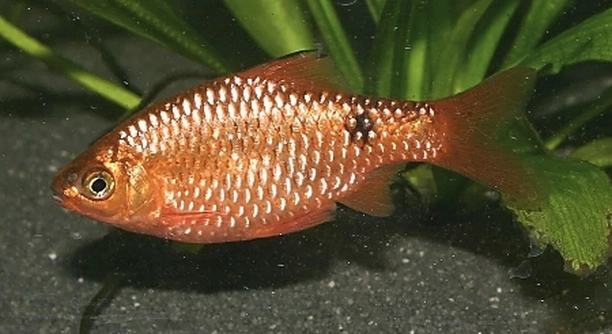
Have you ever watched your rosy barbs swim peacefully one day, only to notice sudden changes in their behavior the next morning?
Rosy barbs can exhibit noticeable behavioral changes overnight due to environmental shifts, stress, or internal biological cycles. These changes may include increased aggression, sudden lethargy, or altered social interactions, often linked to tank conditions or unseen stressors.
Recognizing what triggers these shifts can help you support a healthier, more stable environment for your fish moving forward.
What Causes Sudden Behavioral Changes in Rosy Barbs
Sudden changes in rosy barb behavior often happen due to shifts in water quality, lighting, or social dynamics in the tank. If ammonia or nitrate levels spike, your fish may become restless, hide more, or show aggressive behavior. Even a minor drop in oxygen levels can make them sluggish. Changes in tank lighting, such as leaving lights on too long or altering the cycle, may confuse their internal rhythms. Social stress is another factor. Adding new fish or overcrowding can disrupt the balance, leading to sudden hostility or withdrawal. Sometimes, it’s a result of inconsistent feeding routines or poor nutrition. A high-stress environment, even one that feels calm to us, can affect them quickly. Rosy barbs are responsive fish and adapt quickly, which is why changes might appear overnight. Being aware of subtle tank changes and monitoring your fish closely helps you spot behavior shifts early and make adjustments fast.
Stress is usually triggered by physical or environmental discomfort that your fish cannot escape, making early intervention important.
Observing your rosy barbs at different times during the day can help you track behavior patterns. Small signs—like reduced activity, twitching, or refusing food—may be the earliest indicators that something in the tank has shifted.
How to Help Your Rosy Barbs Stabilize
Start by checking water parameters, including temperature, pH, and ammonia levels, to ensure conditions are safe and stable.
If conditions are off, make gradual corrections. Avoid abrupt changes that can shock your fish further. A partial water change, improved filtration, or oxygenation might help. Keep lighting consistent and avoid frequent changes in the tank layout. Rosy barbs are active swimmers and feel most at ease in well-planted tanks with open space. If aggression is an issue, observe which fish are involved and consider separating or rehoming the aggressor. Feed high-quality food on a regular schedule to promote health and reduce stress. Avoid overfeeding, which can affect water quality. If illness is suspected, look for signs like clamped fins or faded colors and isolate the affected fish. Routine maintenance, like weekly water changes and cleaning, can prevent many of these sudden behavioral shifts. A predictable environment helps rosy barbs regain their balance and show more natural behavior in a short time.
Common Misinterpretations of Rosy Barb Behavior
Rosy barbs sometimes show behavior that looks alarming but isn’t always a cause for concern. Fast swimming or chasing may seem aggressive but could simply be playful energy, especially in well-fed and active groups during daylight hours.
Flashing—when a fish quickly rubs its body against objects—might be mistaken for illness, but it’s not always a sign of parasites. Occasional flashing can happen after a water change or due to minor irritation. It becomes a concern only when it’s repeated or combined with other symptoms like clamped fins or white spots. Similarly, brief periods of hiding aren’t always a red flag. Fish sometimes retreat for rest or to adjust to tank changes. If they reappear and act normally later, it’s usually fine. Watching behavior across several hours or days, rather than reacting to single events, will help you spot what’s routine and what needs attention.
Short bursts of aggression, like fin nipping or chasing, can seem alarming but are often part of social sorting. Rosy barbs, especially males, may test each other’s boundaries now and then. This usually balances out with a stable group and enough swimming space. However, if it escalates or causes injury, it’s time to reassess the tank setup. Adding more visual barriers like plants or decorations can reduce stress by giving fish places to escape. Sometimes, even rearranging the decor helps disrupt established territories and cool down tension. Just be sure any adjustments are done slowly and carefully. Watch for signs that your barbs are resettling peacefully within a day or two.
Tank Conditions That Support Stable Behavior
A peaceful environment starts with consistent water quality, gentle lighting, and enough room to swim. Rosy barbs thrive in groups, so keeping at least six helps them form a balanced, less-aggressive social structure.
Rosy barbs do best in water temperatures between 72°F and 78°F, with a slightly acidic to neutral pH level. Sudden shifts in these conditions can cause confusion and stress. Keep the tank clean with weekly partial water changes and stable filtration. A tank size of 30 gallons or more is ideal for a small school. Dense plants, open swimming zones, and hiding spots all support natural activity and reduce tension. Avoid overcrowding—too many fish can lead to resource competition and stress. Feed them a mix of high-quality flakes and occasional frozen or live food to support energy levels and immune function. By meeting these basic needs, you help your rosy barbs stay calm and thrive long term.
When to Be Concerned
If your rosy barb shows repeated flashing, clamped fins, or stops eating, it’s time to take a closer look. These can be signs of illness or ongoing stress that needs attention quickly to prevent further problems in the tank.
Unusual swimming, like listing to one side, sinking, or gasping at the surface, should never be ignored. These behaviors often point to issues with oxygen levels, swim bladder problems, or poor water conditions that require immediate adjustment and observation.
How Often to Monitor Behavior
Spend a few minutes each day observing your fish during feeding and calm periods. Watching them regularly helps you spot changes quickly. Weekly checks on water quality also help prevent problems before they affect your fish’s behavior. A consistent routine creates a healthier tank and more predictable behavior patterns.
When to Isolate a Rosy Barb
Separate any fish that becomes aggressive, injured, or shows clear signs of illness that aren’t improving. Isolation reduces stress for the group and allows the affected fish to recover in a calmer, controlled space. Always match isolation conditions closely to the main tank to prevent further stress.
How quickly can rosy barbs change their behavior?
Rosy barbs can change behavior very quickly, sometimes overnight. This happens mainly because they are sensitive to changes in their environment, such as water quality shifts, temperature changes, or alterations in lighting. Even small stressors can cause them to act differently, from becoming more aggressive to hiding more than usual. Their quick response is part of their survival instinct in the wild, and it helps them adapt fast. However, frequent or extreme changes can indicate underlying problems that need to be addressed to keep them healthy and stable.
What are the common signs that rosy barbs are stressed?
Stress in rosy barbs often shows as flashing—rubbing against tank surfaces—or clamped fins where the fins stay close to the body. They may also stop eating or swim erratically. Aggression can increase, with chasing or fin nipping becoming more frequent. Another sign is hiding for longer periods than usual or losing color vibrancy. These behaviors suggest something in their environment is off, such as poor water quality, overcrowding, or illness. Catching these signs early helps prevent serious health issues.
Can changing tank water cause behavior changes in rosy barbs?
Yes, sudden water changes or poor water quality are common reasons for behavior changes. If water parameters like pH, temperature, or ammonia levels shift too fast, it shocks the fish. This can cause them to become stressed, hiding, or swimming irregularly. Proper water changes should be gradual and consistent, with careful monitoring of water chemistry. Using a good filtration system and testing water weekly helps keep conditions stable, reducing the chance of sudden behavioral shifts.
Do rosy barbs change behavior due to tank mates?
Tank mates can definitely influence rosy barb behavior. Aggressive or territorial fish may stress them out, causing defensive or shy behavior. Even peaceful fish can create competition for food or space, which might increase chasing or hiding. Rosy barbs do best in groups of their own kind, ideally six or more, to spread social interactions evenly. Choosing compatible species that share similar water needs and temperament helps keep the whole tank peaceful and balanced.
How can diet affect rosy barb behavior?
Poor or inconsistent diet can lead to changes in energy and behavior. If rosy barbs don’t get enough nutrients, they may become lethargic or less active. Overfeeding can pollute the tank and cause water quality issues, indirectly stressing the fish. A varied diet of quality flakes, pellets, and occasional live or frozen food supports their health and energy levels. Feeding small amounts regularly rather than large portions helps maintain stable water conditions and behavior.
Is sudden aggression normal in rosy barbs?
Sudden bursts of aggression are normal to a point. Rosy barbs establish social hierarchies and sometimes nip fins or chase to set boundaries. This usually calms down as they settle. However, continuous aggressive behavior causing injury or stress signals a problem. It might be due to overcrowding, lack of hiding places, or incompatible tank mates. Adding plants or decorations to create visual barriers can reduce stress and aggression.
How long does it take for rosy barbs to adjust after changes?
Adjustment time varies depending on the change. Small changes like rearranging decorations may take a day or two for fish to calm down. Larger changes, like adding new fish or adjusting water parameters, can take a week or more. Consistent monitoring and gradual changes help reduce adjustment time. Keeping a stable environment is key to minimizing stress and helping rosy barbs maintain normal behavior.
When should I isolate a rosy barb?
Isolate a fish if it shows signs of illness such as white spots, clamped fins, or unusual swimming, especially if these signs worsen. Isolation helps prevent the spread of disease and reduces stress on both the affected fish and the group. Aggressive individuals causing injury should also be separated. The isolation tank should have similar water conditions and be kept clean to support recovery.
Can lighting affect rosy barb behavior?
Yes, lighting plays an important role. Too bright or inconsistent lighting can stress fish, causing them to hide or become restless. Rosy barbs prefer a regular light cycle, about 10 to 12 hours of light per day, mimicking natural daylight. Sudden changes in lighting or leaving lights on overnight disrupt their natural rhythms and may cause behavior changes.
Are behavior changes always due to illness?
Not always. Behavior changes can stem from environmental factors like water quality, social stress, or changes in tank setup. Illness is one cause, but often the issue is manageable by adjusting tank conditions or reducing stressors. Observing fish carefully and testing water can help determine the cause before jumping to conclusions. Illness usually comes with other clear signs like discoloration, sores, or labored breathing.
Rosy barbs are sensitive fish that can show changes in behavior quickly, sometimes overnight. These changes usually happen because something in their environment has shifted. It could be water quality, temperature, lighting, or how they interact with other fish. Knowing what affects them helps you keep their tank stable and healthy. When the environment stays consistent, rosy barbs tend to stay calm and behave naturally. Paying attention to small changes in their actions can help catch problems early before they become serious.
It is important to watch your rosy barbs regularly. Daily observation helps you notice any unusual signs like hiding, flashing, or aggression. These signs often mean the fish are stressed or uncomfortable. Stress can come from poor water quality, overcrowding, or even diet issues. Making sure their water is clean, their space is enough, and their food is balanced will support their well-being. Sometimes small adjustments like adding plants or rearranging the tank reduce tension and improve behavior. If you see sickness or extreme changes, isolating the affected fish gives it a better chance to recover and stops problems from spreading.
Creating a healthy home for your rosy barbs means steady care and good habits. Testing water regularly, feeding properly, and keeping their tank stable will help avoid sudden behavior changes. Remember, while some behavior shifts happen fast, most respond well to simple corrections. Being patient and consistent with care gives your fish the best chance to thrive and stay happy. With time and attention, you can enjoy watching your rosy barbs swim confidently and peacefully in a well-balanced aquarium.

Hello,
If you enjoy the content that we create, please consider saying a "Thank You!" by leaving a tip.
Every little bit helps us continue crafting quality advice that supports the health, happiness, and well-being of pets around the world, for pets of all shapes, sizes, and species.
We really appreciate the kindness and support that you show us!