
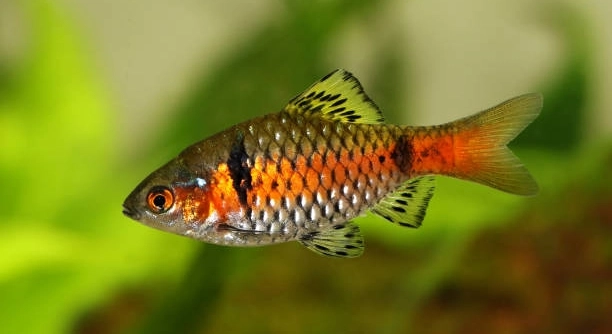
Rosy barbs are popular freshwater fish kept in home aquariums. Many fishkeepers enjoy watching their behavior and wonder if these fish can learn and remember their surroundings. Understanding how rosy barbs interact with their environment can improve tank care.
Rosy barbs show some ability to recognize and remember parts of their tank, such as hiding spots and feeding areas. This memory helps them navigate safely and respond to changes, although their capacity is limited compared to more complex animals.
Knowing how rosy barbs build memory in their tanks can help owners create a more comfortable and enriching space for their fish to thrive.
How Rosy Barbs Recognize Their Tank Environment
Rosy barbs rely mostly on their senses to remember parts of their tank. They use sight to identify landmarks like plants, rocks, and decorations. Over time, they learn where food usually comes from and where to hide when they feel threatened. This helps them move confidently around the tank and avoid stress. Their memory isn’t very complex but is enough for daily survival. Changes in the tank, like moving decorations, can confuse them at first. However, they typically adjust after a short period. Keeping the tank stable and predictable helps rosy barbs feel secure. Simple routines, such as feeding at the same time and place, strengthen their ability to remember. This gentle consistency improves their comfort and overall health.
Their memory is mainly about familiar locations and routines rather than detailed recognition or complex problem-solving.
Fish owners can use this natural behavior to design a calm and stable tank that supports rosy barbs’ memory and well-being.
Factors Affecting Memory in Rosy Barbs
Tank size and environment stability impact how well rosy barbs remember their surroundings.
Larger tanks with many hiding spots can make it harder for them to remember everything clearly. Sudden changes, like rearranging decorations or adding new fish, can cause confusion or stress. Consistent feeding times and clear landmarks improve their ability to remember. Over time, a stable setup helps rosy barbs build a routine, making them less anxious. Stress from poor water quality or overcrowding can weaken their memory, so proper care is essential. By maintaining a clean tank and steady environment, owners support their fish’s natural learning abilities and comfort.
How Feeding Habits Influence Memory
Feeding routines help rosy barbs form memories about where and when food appears. Regular schedules reinforce this learning.
Consistent feeding times create a reliable pattern that rosy barbs quickly recognize. They associate specific areas in the tank with food, which helps them remember those spots better. This routine also reduces stress because the fish know when to expect feeding, making their behavior more predictable. When feeding happens irregularly, rosy barbs may become anxious or confused, which can disrupt their ability to build strong memories of their environment. Maintaining a steady feeding schedule supports both their mental health and overall well-being.
Offering food in the same area strengthens spatial memory, encouraging rosy barbs to return to safe, familiar spots. This repeated behavior shows how simple routines improve their tank experience and comfort over time.
The Role of Social Interaction in Memory Building
Rosy barbs are social fish that learn from each other within the tank environment.
When kept in groups, they observe and mimic the actions of other fish, helping reinforce memory of safe zones and feeding areas. Social interaction encourages exploration and reduces anxiety, which positively impacts their ability to remember. Fish in isolation may have less opportunity to learn from their surroundings because they lack this social reinforcement. Group dynamics help reinforce familiar routines and support memory by creating a more stable and interactive environment. This interaction can be key to maintaining healthy behavior patterns and reducing stress in captive rosy barbs.
Environmental Enrichment Supports Memory
Adding plants, rocks, and decorations helps rosy barbs learn their tank layout. These objects act as landmarks, making navigation easier and reducing stress.
Varied environments keep their minds active. Without enrichment, fish may become bored or anxious, which can weaken memory and natural behaviors.
Consistency in Tank Care Is Crucial
Stable water conditions and a clean environment support rosy barbs’ health and memory. Frequent changes can cause stress, affecting their ability to remember their surroundings.
Keeping temperature, pH, and cleanliness steady allows fish to focus on building memory instead of coping with discomfort or illness.
Signs Your Rosy Barbs Remember Their Tank
When rosy barbs quickly find food or retreat to familiar hiding spots, it shows they remember their tank layout. Repeated behavior in these areas indicates memory retention.
Recognition of routine signals that the fish feel comfortable and secure in their environment.
Avoid Sudden Changes in the Tank
Unexpected moves or new additions can confuse rosy barbs. Gradual adjustments help them adapt and maintain memory of their space.
How long does it take for rosy barbs to build memory of their tank?
Rosy barbs start recognizing their surroundings within a few days to a week. They quickly learn where food comes from and familiar hiding spots. However, fully adjusting and remembering all details of the tank can take several weeks. The process depends on factors like tank size, environmental stability, and social interaction.
Can rosy barbs remember changes in their environment?
Yes, but it depends on the change. Small adjustments, such as moving a decoration slightly, may confuse them at first but they usually adapt quickly. Large or frequent changes can cause stress and make it harder for them to build stable memories. Maintaining a steady environment helps their memory develop better.
Do rosy barbs recognize their owners?
Rosy barbs can learn to recognize the person who feeds them regularly. They associate that person with food and may swim to the front of the tank during feeding times. This recognition is based more on routine and sight rather than a deep memory of individuals.
What role does tank size play in their memory?
Smaller tanks with clear landmarks help rosy barbs remember locations more easily. In larger tanks, memory can be more challenging because there is more space and fewer obvious reference points. Organizing the tank with plants or decorations helps improve spatial memory regardless of size.
How does stress affect their memory?
Stress negatively impacts rosy barbs’ ability to remember their environment. Poor water quality, overcrowding, or sudden changes increase stress, which can reduce their focus and learning capacity. Providing a calm and stable tank reduces stress and supports memory building.
Is it helpful to keep rosy barbs in groups for better memory?
Yes, social groups help rosy barbs learn from each other. They observe group behavior and share routines, which can reinforce memory of feeding spots and safe zones. Isolation may limit their opportunity to build and maintain memories effectively.
Can rosy barbs be trained with repetition?
While they don’t learn complex tricks, rosy barbs respond well to repetition in feeding times and locations. Consistent routines help them build habits and recognize patterns, which shows a basic form of learning and memory.
How does environmental enrichment improve memory?
Adding plants, rocks, and other decorations creates landmarks that help rosy barbs navigate. These items give the fish points of reference, improving their spatial memory and reducing stress. A varied tank environment keeps them mentally stimulated.
Should tank owners avoid sudden changes to support memory?
Yes, sudden changes can disrupt rosy barbs’ ability to remember their tank layout. Gradual adjustments give them time to adapt and maintain familiarity with their environment. Keeping a consistent routine is better for their comfort and memory.
What signs show rosy barbs remember their tank?
Fish quickly returning to feeding areas or preferred hiding spots show they remember their surroundings. Consistent, repeated behavior in specific areas indicates familiarity and comfort with the tank layout. These signs reflect their learning and memory retention.
Rosy barbs are small fish that can remember parts of their tank and the routines they experience daily. Their memory is not very complex, but it helps them navigate the space safely and find food or hiding spots. Keeping the tank stable with consistent feeding times and familiar landmarks allows rosy barbs to feel comfortable. This comfort reduces stress and supports their overall health. Understanding that rosy barbs learn from their surroundings can help tank owners create a better home for these fish.
Maintaining a steady environment is important for rosy barbs’ memory. Sudden changes, like moving decorations or adding new fish without warning, can confuse and stress them. Stress can make it harder for the fish to remember their tank layout and routines. Adding plants, rocks, and other objects gives them clear points to recognize and helps their memory. Social interaction with other rosy barbs also supports learning because they observe and mimic each other’s behavior. A clean tank with proper water conditions makes it easier for rosy barbs to focus on their environment instead of coping with discomfort.
When rosy barbs return quickly to feeding spots or preferred hiding places, it shows their memory is working well. These behaviors mean the fish feel secure in their tank and trust their surroundings. For tank owners, simple habits like feeding at the same time and keeping decorations stable can improve the fish’s quality of life. Remember, rosy barbs may not have a strong or detailed memory, but the small things they do remember can make a big difference in how they behave and thrive. Creating a calm, familiar environment benefits these fish and makes caring for them more rewarding.

Hello,
If you enjoy the content that we create, please consider saying a "Thank You!" by leaving a tip.
Every little bit helps us continue crafting quality advice that supports the health, happiness, and well-being of pets around the world, for pets of all shapes, sizes, and species.
We really appreciate the kindness and support that you show us!