
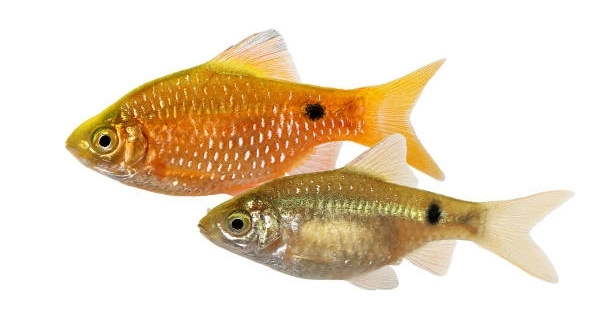
Do you ever find yourself watching your fish tank and wondering if your Rosy Barbs can live peacefully with other types of fish?
Rosy Barbs can bond with other species if the tank environment is balanced and the companion fish are compatible in size, temperament, and water conditions. Their semi-aggressive behavior means careful selection is essential for peaceful cohabitation.
Choosing the right tank mates can make a big difference in keeping your Rosy Barbs stress-free and your aquarium running smoothly.
Choosing the Right Tank Mates
Rosy Barbs are active fish that do well in community tanks, but they need the right kind of company. When kept with peaceful fish that can handle a bit of energy, they often thrive. Avoid placing them with slow-moving or long-finned species, as Rosy Barbs can nip fins when they feel crowded or overstimulated. Good tank mates include species like Zebra Danios, Cherry Barbs, or some types of Tetras. These fish share similar water needs and activity levels, reducing the chance of conflict. Always make sure the tank is spacious and includes plants or decorations to break up sight lines and reduce tension. Watching how your fish interact in the first few days is helpful. If one species appears stressed or is hiding often, it may not be a good fit. Keeping groups of five or more Rosy Barbs can also help spread out their energy and lower aggression levels.
Keep in mind that Rosy Barbs prefer slightly cooler temperatures than many tropical species.
Introducing fish slowly gives everyone time to adjust. Quarantining new fish before adding them to the main tank can prevent health problems from spreading. It’s also smart to rearrange tank decorations before adding new fish. This removes territory boundaries and lowers the chances of territorial behavior. Tank balance isn’t just about compatibility, but also about the number of fish. Overstocking creates stress and can cause even peaceful species to act aggressively. Keep an eye on their feeding habits too. Some fish may eat faster, leaving others without enough food. If needed, feed on both ends of the tank. Watching these details will help your Rosy Barbs and their tank mates stay healthy and comfortable together.
Signs Things Aren’t Working
If you notice torn fins, hiding behavior, or uneven feeding, your tank may not be well-matched. These small signs often mean the fish are stressed or being bullied.
Stress can affect a fish’s color, behavior, and overall health. Rosy Barbs that are constantly chasing others or being chased may become ill or start hiding more often. If a tank mate isn’t swimming freely or seems less active than usual, it might be time to make changes. Consider removing the problem fish or rearranging the tank layout. Adding more plants, rocks, or dividers can help reduce visual stress and give fish a sense of safety. Water quality also plays a big role in behavior. Poor filtration or unbalanced pH can make fish aggressive or skittish. Make sure your tank maintenance routine is consistent. Observing your fish regularly will help you notice issues early and adjust before things become more serious.
Managing Aggression in a Shared Tank
Rosy Barbs can sometimes get pushy, especially in smaller groups or cramped tanks. Keeping them in groups of at least five helps spread out their energy and lowers the chance of them picking on other fish.
Use a tank that’s at least 30 gallons or more to give everyone room to swim freely. Adding plants, rocks, and decorations creates visual barriers that help fish avoid each other when needed. Try feeding them in different spots to prevent competition during meals. If you notice consistent bullying, consider separating the aggressive fish or rechecking your species combination. Monitoring daily behavior is important. Rosy Barbs are usually playful but should not cause harm to others. Their natural curiosity can sometimes be mistaken for aggression, so watch closely before making changes. Most aggression issues can be managed by adjusting tank conditions, group size, or layout. Consistent care helps keep things calm.
If aggression continues even after adjustments, check water quality and temperature. Sudden spikes in ammonia, nitrate, or temperature can make even peaceful fish act out. Keep a schedule for testing water and do partial water changes every week. Make sure the filter is strong enough for your tank size and isn’t clogged. Fish that don’t feel well due to poor water conditions often become reactive or withdrawn. Also, be mindful of breeding behavior. During spawning, Rosy Barbs may become more territorial. Adding a breeding box or separating pairs can reduce tension in the main tank. Small tweaks often solve aggression problems before they get worse. With the right setup, your fish can live together peacefully without constant stress or chasing.
Creating a Balanced Habitat
A well-set-up tank helps reduce conflict and supports the health of every species inside. Proper lighting, water temperature, and filtration keep your fish active and calm.
Rosy Barbs like water temperatures between 74–78°F and a neutral to slightly acidic pH. Use a reliable heater and thermometer to avoid sudden shifts. Good lighting should follow a consistent day-night cycle to prevent stress. Use live or silk plants to provide cover, especially for more timid species. A mix of open swimming space and hiding areas gives each fish room to move and rest. Use smooth gravel or sand that won’t damage fins or barbels. The filter should offer gentle flow, as strong currents can overwhelm smaller or slower fish. Test water weekly for ammonia, nitrite, nitrate, and pH levels. Stable water conditions support peaceful behavior and reduce illness. When your tank feels stable, the fish inside often reflect that calm.
Feeding Behavior and Compatibility
Feeding time can bring out tension in community tanks. Rosy Barbs are quick eaters and may outcompete slower species, leaving them without enough food.
To avoid this, feed in multiple areas of the tank. Choose sinking pellets or slow-sinking flakes so all fish types can get their share.
Monitoring Long-Term Behavior
Observe your tank daily, even for just a few minutes. Changes in swimming patterns, hiding, or loss of color often mean something is off. Not all problems show up right away, and some fish take time to adjust to new companions. Keep track of which fish interact well and which seem stressed or isolated. A peaceful tank is usually active but not chaotic. Watch for signs like damaged fins or leftover food, which could suggest imbalance. Regular maintenance, slow changes, and attention to behavior will help you build a tank where Rosy Barbs and their tank mates thrive without conflict.
When to Separate Fish
If chasing, biting, or hiding continues even after changes, it may be time to move a fish. Separation can help restore balance and reduce long-term stress.
FAQ
Can Rosy Barbs live with goldfish?
Rosy Barbs and goldfish have different needs, especially in terms of water temperature and behavior. Goldfish prefer cooler water, around 65–72°F, while Rosy Barbs thrive in slightly warmer temperatures near 74–78°F. Goldfish are slower and have long fins, which Rosy Barbs might nip. For these reasons, it’s generally not recommended to keep them together. They may stress each other out or become injured. If you want a mixed tank, choosing fish with similar temperature and activity levels is a safer choice.
How many Rosy Barbs should be kept together?
A group of at least five Rosy Barbs is ideal. They are schooling fish and feel more secure and less aggressive when in larger groups. Small groups or keeping just one or two can lead to increased aggression toward other fish or constant chasing within the tank. Group living spreads their energy and reduces stress, making the tank environment calmer overall.
Are Rosy Barbs aggressive toward smaller fish?
Rosy Barbs can be semi-aggressive and might nip at the fins of smaller or slow-moving fish, especially if the tank is crowded or if there isn’t enough space to swim freely. Avoid keeping them with delicate species like bettas or fancy guppies that have long fins. Fast-moving, similarly sized fish make better companions to reduce the chance of fin nipping.
Can Rosy Barbs live with tetras or danios?
Yes, Rosy Barbs generally do well with tetras and danios. These species have similar water temperature and activity levels, which helps reduce stress and competition. Both tetras and danios are schooling fish that enjoy swimming actively, so they match the lively nature of Rosy Barbs well. Keep groups of each species to promote natural behavior and peace.
How can I reduce aggression in my Rosy Barb tank?
Keeping Rosy Barbs in groups of five or more helps reduce aggression. Ensure the tank is spacious with plenty of hiding spots, plants, and decorations to break up sight lines. Feed in multiple spots to reduce competition during meals. Regular water testing and maintaining stable conditions also lower stress, which in turn reduces aggressive behavior.
What should I do if my Rosy Barbs are bullying other fish?
If bullying occurs, first check tank size and population to ensure there’s enough space. Rearrange tank decorations to reset territorial boundaries. Increase hiding places or add plants. If aggression continues, try separating the aggressive fish temporarily. Monitor water quality closely, as poor conditions can worsen behavior. Sometimes changing tank mates to more compatible species is necessary.
Is it necessary to quarantine new fish before adding them to a Rosy Barb tank?
Yes, quarantining new fish for at least two weeks before adding them to your main tank helps prevent the spread of diseases. It also gives you time to observe their behavior and health. Introducing healthy, stress-free fish improves the chances of a peaceful and thriving community tank.
Do Rosy Barbs need special water conditions?
Rosy Barbs prefer slightly acidic to neutral pH levels (6.5 to 7.5) and water temperatures between 74–78°F. Stable conditions with good filtration and regular water changes keep them healthy and calm. Avoid sudden temperature changes or poor water quality, which can increase stress and aggression.
Can Rosy Barbs breed with other species?
Rosy Barbs typically do not breed with other species. They are egg scatterers and tend to spawn among their own kind. Crossbreeding between different fish species is rare and usually does not happen naturally in community tanks. If you want to breed Rosy Barbs, it’s best to keep them in a separate breeding tank.
How do I know if my Rosy Barbs are stressed?
Signs of stress include faded colors, hiding often, erratic swimming, or loss of appetite. Torn fins or damaged scales may also indicate aggression or poor water conditions. Stress can lead to illness, so it’s important to maintain proper tank conditions and provide compatible tank mates. Observing behavior daily helps catch issues early and keep your fish healthy.
Rosy Barbs are lively fish that can live well with other species when conditions are right. Their natural behavior includes some chasing and fin nipping, but this can be managed with proper care. Keeping them in groups of five or more helps spread their energy and reduces aggression. A spacious tank with plenty of plants and hiding places also lowers stress. Choosing tank mates that share similar water needs and activity levels is important to keep peace in the aquarium. When these factors are met, Rosy Barbs usually do well in a community setting and bring energy to the tank.
Water quality and temperature play a big role in the health and behavior of Rosy Barbs and their companions. Stable water parameters, such as a temperature between 74 and 78°F and a pH around neutral, support calm and active fish. Regular water testing and maintenance help prevent stress and illness. A well-filtered tank with gentle water flow suits Rosy Barbs best. Avoid overcrowding and keep a balanced number of fish to reduce competition for food and space. Proper feeding habits, such as spreading food around the tank, can also prevent bullying during meal times.
Observing your fish regularly is key to maintaining a peaceful tank. Watch for signs of stress like hiding, faded colors, or torn fins, and be ready to make changes if needed. Sometimes, rearranging the tank or separating aggressive individuals helps restore balance. Quarantining new fish before adding them can protect your community from disease. Overall, with the right tank setup, good water care, and careful selection of tank mates, Rosy Barbs can comfortably share their home with other species. Their lively presence makes them a rewarding addition to a well-managed aquarium.

Hello,
If you enjoy the content that we create, please consider saying a "Thank You!" by leaving a tip.
Every little bit helps us continue crafting quality advice that supports the health, happiness, and well-being of pets around the world, for pets of all shapes, sizes, and species.
We really appreciate the kindness and support that you show us!