
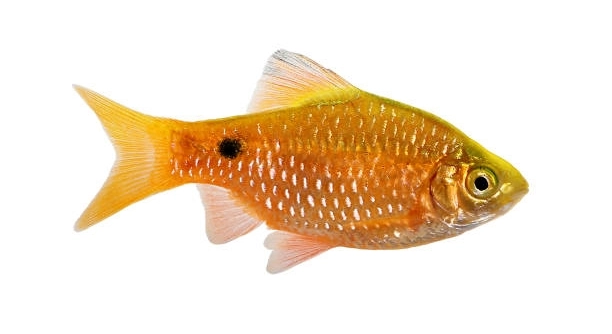
Rosy barbs are popular freshwater fish known for their lively behavior and bright colors. Many aquarium owners enjoy watching them swim actively throughout their tanks. However, when kept in still water, their usual energy levels might change over time.
Rosy barbs can exhibit reduced activity in still water due to lower oxygen levels and lack of stimulation. These conditions may cause lethargy, but the fish do not necessarily become permanently lazy. Proper tank maintenance and water movement help maintain their natural activity.
Understanding how water conditions affect rosy barbs can improve their care and well-being. Learning about their needs ensures a healthier and more vibrant aquarium environment.
Why Rosy Barbs Slow Down in Still Water
Rosy barbs naturally thrive in environments with moderate water flow. When placed in still water, oxygen circulation decreases, which directly impacts their energy levels. Without consistent movement, the water can become stagnant, reducing the amount of oxygen dissolved in it. This causes the fish to swim less and rest more frequently to conserve energy. Additionally, still water limits the natural stimuli that encourage activity, such as gentle currents or movement in their surroundings. Over time, rosy barbs adjust to this calmer environment by becoming less active, but this does not mean they are unhealthy. It simply reflects their adaptation to lower oxygen levels and reduced environmental cues. Regular water changes and adding aeration or a gentle filter can help maintain oxygen levels and encourage more natural behavior. Proper tank setup ensures these fish stay lively and healthy, reflecting their usual vibrant nature even in smaller aquariums.
Low oxygen and lack of stimulation in still water cause rosy barbs to reduce activity, but this change is reversible with proper care.
Maintaining water quality and adding gentle movement improves the well-being of rosy barbs. By ensuring adequate oxygen levels and environmental enrichment, you help these fish retain their natural liveliness. Simple measures like using an air stone or a low-flow filter create gentle currents that simulate their natural habitats. This small adjustment makes a noticeable difference in their swimming patterns and overall health. Observing rosy barbs in an environment that mimics flowing water also reduces stress and promotes natural behaviors, such as schooling and feeding. These conditions support their physical fitness and coloration, keeping them vibrant and energetic. Understanding these needs is essential for anyone keeping rosy barbs to prevent unnecessary lethargy caused by stagnant water.
How to Keep Rosy Barbs Active in a Home Aquarium
Rosy barbs require consistent oxygen levels and mild water movement to stay active and healthy.
Creating an environment that mimics their natural habitat is key to encouraging normal behavior. Use a filter that provides gentle water flow without causing strong currents. Adding an air stone can increase oxygen levels and improve circulation. Avoid overcrowding the tank, as it can reduce water quality and oxygen availability. A well-maintained aquarium with regular water changes prevents stagnation and keeps conditions stable. Including live plants can help oxygenate the water, but they should not overcrowd the space, which can limit swimming room. Feeding a balanced diet with varied nutrients supports their energy levels and overall health. Monitoring water temperature and pH ensures the environment stays within their ideal range, preventing stress that might contribute to inactivity. These steps help maintain rosy barbs’ natural energy and vibrant colors.
Signs That Rosy Barbs Are Becoming Less Active
Reduced swimming and frequent resting at the bottom of the tank are common signs. Rosy barbs may also show less interest in food or social interaction with other fish. These behaviors indicate that the fish are conserving energy due to their environment.
Lethargy in rosy barbs often results from poor water quality or low oxygen. When the tank lacks sufficient water movement, the fish may appear sluggish. They might stay near the surface, gasping for air, or hide among decorations. Reduced activity is a warning to check tank conditions. Monitoring water parameters like ammonia, nitrite, and nitrate levels is important. Adjusting the tank environment with proper filtration and aeration can restore their natural energy. Noticing these signs early helps prevent more serious health issues.
Besides lethargy, changes in color or fin condition may also occur when water quality is poor. Dull colors and torn fins can be a stress response. These symptoms often coincide with inactivity and should not be ignored. Regular tank maintenance is necessary to keep rosy barbs vibrant and active.
Common Mistakes That Cause Rosy Barbs to Slow Down
Overfeeding is a frequent mistake that affects activity levels. Excess food decomposes and reduces water quality, stressing the fish. Another error is keeping them in a tank that is too small or overcrowded, limiting their movement.
Ignoring water changes leads to toxin buildup, making the environment unhealthy. Using a filter that creates no water flow also contributes to stagnation. Poor lighting and lack of environmental enrichment reduce stimulation, causing fish to become inactive. Keeping the tank temperature outside the recommended range (18–22°C or 64–72°F) can slow their metabolism and reduce swimming activity. Addressing these issues by feeding appropriately, maintaining the tank, and providing proper equipment encourages rosy barbs to stay lively and healthy.
Benefits of Adding Water Movement
Water movement increases oxygen levels, which helps keep rosy barbs active and healthy. It also prevents waste buildup and creates a more natural environment that encourages swimming and exploration.
Gentle currents mimic the fish’s natural habitat, reducing stress and promoting social behavior. Movement also supports better circulation of nutrients throughout the tank, benefiting all aquatic life.
Best Equipment to Improve Water Flow
A low-flow filter is ideal for creating gentle water movement without overwhelming rosy barbs. Air stones or bubble wands also help increase oxygen levels and improve circulation. Choosing the right equipment ensures a balanced and comfortable tank environment.
Adjusting Tank Setup for Rosy Barbs
Adding plants can provide hiding spots and reduce stress. Rearranging decorations to allow more swimming space encourages natural activity. These small changes make a big difference in fish behavior and well-being.
FAQ
Why do rosy barbs become less active in still water?
Rosy barbs slow down in still water mainly because of reduced oxygen levels. Still water doesn’t circulate enough to keep oxygen dissolved evenly, so the fish have less oxygen to breathe. Without enough oxygen, they conserve energy by swimming less. The lack of water movement also means fewer environmental cues to stimulate their natural behavior.
How can I tell if my rosy barbs are unhealthy due to inactivity?
If your rosy barbs are resting a lot, not eating well, or hiding more than usual, these are signs of stress or poor health. Look for dull colors, torn fins, or unusual swimming patterns. These symptoms often relate to water quality problems or low oxygen levels. Testing your water regularly helps identify issues before they become serious.
Can adding a filter help keep rosy barbs active?
Yes. A filter that creates gentle water flow improves oxygen circulation and removes waste. This encourages natural swimming behavior and keeps the tank environment healthy. Avoid strong currents because rosy barbs prefer moderate movement. A low-flow filter combined with an air stone is often the best setup.
Is it necessary to aerate the water for rosy barbs?
Aeration is helpful but not always necessary if your filter provides good circulation. An air stone increases oxygen levels by bubbling air through the water. This helps especially in tanks with still water or heavy stocking. Aeration reduces lethargy and supports the fish’s overall health.
How often should I change the water to keep rosy barbs active?
Changing 20-30% of the water weekly helps maintain water quality and oxygen levels. Regular water changes remove toxins that build up from fish waste and uneaten food. Clean water encourages activity and reduces stress in rosy barbs. Avoid changing too much water at once to prevent shock.
Does tank size affect rosy barbs’ activity levels?
Yes. Rosy barbs need enough space to swim freely. Small or overcrowded tanks limit their movement and can cause stress. A tank of at least 20 gallons is recommended for a small group of rosy barbs. More space allows them to form schools and swim actively, promoting better health.
Can water temperature impact their activity?
Rosy barbs are most active between 18 and 22°C (64–72°F). Temperatures outside this range can slow their metabolism, causing less movement. Keep the tank temperature stable within their preferred range to maintain energy levels. Avoid sudden changes, which stress the fish.
Will live plants help keep rosy barbs active?
Live plants improve water quality by producing oxygen and absorbing toxins. They provide hiding spots and reduce stress, which supports activity. However, avoid overcrowding the tank with plants because rosy barbs need open swimming space. Balanced planting helps create a natural and stimulating environment.
What should I feed rosy barbs to support their energy?
A balanced diet with quality flakes, pellets, and occasional live or frozen foods supports their health and activity. Varied nutrition keeps them energetic and colorful. Overfeeding should be avoided as it pollutes the water and can cause lethargy. Feed small amounts two to three times a day.
Can rosiness or coloration indicate their health and activity level?
Yes. Bright coloration usually signals a healthy and active rosy barb. Dull or faded colors can mean stress, illness, or poor water conditions. Color changes often accompany lethargy, so maintaining good water quality and nutrition is important for vibrant fish.
How important is social interaction for rosy barbs’ activity?
Rosy barbs are schooling fish and feel safer and more active in groups of five or more. Isolation can cause stress and reduce their energy. Keeping them in a small school encourages natural swimming behavior and reduces boredom or inactivity.
What are the signs of stress in rosy barbs due to poor tank conditions?
Stress signs include hiding, erratic swimming, loss of appetite, color fading, and frequent resting. Stress weakens their immune system and makes them prone to illness. Improving water quality, providing enough space, and maintaining proper oxygen levels can reduce stress and improve activity.
Rosy barbs are lively fish that naturally enjoy swimming in flowing water. When kept in still water, they may slow down and become less active. This change happens because still water often has lower oxygen levels and fewer environmental stimuli. These conditions cause the fish to conserve energy by resting more and swimming less. While this behavior may seem like laziness, it is actually an adjustment to the environment. Knowing this helps aquarium owners better understand their fish and take steps to improve their care.
To keep rosy barbs healthy and active, maintaining good water quality is essential. Regular water changes remove harmful substances that build up over time. Adding gentle water movement, through filters or air stones, helps increase oxygen levels and simulates their natural habitat. This encourages the fish to swim more and display their usual energetic behavior. Feeding a balanced diet and keeping the tank at the right temperature also support their overall health. When these factors are in place, rosy barbs can remain lively even in a home aquarium.
Small changes in the tank setup can make a big difference in the behavior of rosy barbs. Providing enough space for swimming and keeping them in groups helps reduce stress and promotes social interaction. Including some live plants adds oxygen and gives the fish places to explore and hide. Paying attention to these details creates a comfortable environment that supports the fish’s natural habits. Understanding the needs of rosy barbs ensures they stay vibrant and active, making the aquarium more enjoyable to watch.

Hello,
If you enjoy the content that we create, please consider saying a "Thank You!" by leaving a tip.
Every little bit helps us continue crafting quality advice that supports the health, happiness, and well-being of pets around the world, for pets of all shapes, sizes, and species.
We really appreciate the kindness and support that you show us!