
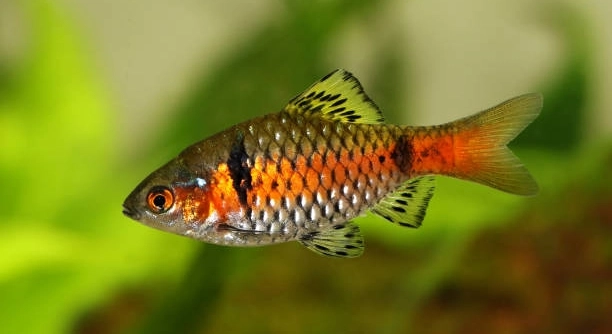
Have you ever watched your Rosy Barbs swim around and wondered if they care about specific spots in their tank?
Rosy Barbs can become attached to certain areas in their tank due to environmental familiarity, safety, or comfort. These preferences may be influenced by factors like water flow, plant coverage, or feeding zones within the aquarium.
Understanding these behaviors can help you create a tank setup that supports both their comfort and overall well-being.
Why Rosy Barbs Prefer Certain Tank Spots
Rosy Barbs often gravitate toward specific areas in the tank, and this behavior is usually shaped by their environment. They may choose spots near plants or decorations that provide cover and make them feel secure. Water movement also plays a role—some Rosy Barbs prefer calmer spaces, while others enjoy swimming near the filter where there’s a bit more current. These preferences are not random; they are based on comfort, safety, and habit. Over time, they may even return to the same spots daily, showing a kind of simple attachment. Observing these patterns can help you better understand what they like and adjust the tank to support those preferences. It can also reduce stress and support healthier behavior. Providing them with a stable, enriched space helps reinforce these attachments and improves their overall well-being, especially in community tanks where space and resources can affect how secure a fish feels.
Small changes in layout, like adding plants or adjusting flow, often encourage more natural behaviors.
Rosy Barbs rely on consistency. Once they find a place that feels safe or stimulating, they often return to it repeatedly throughout the day.
How to Support Their Preferred Spaces
Start by watching how your Rosy Barbs behave in different parts of the tank. Some may linger under floating plants, while others enjoy open areas with gentle current. Take note of where they feed, rest, and interact. This can tell you a lot about what parts of the tank they favor. Once you identify their preferences, try not to disturb those areas too much when cleaning or rearranging the tank. If they like a shaded corner, keep it intact. Add elements like driftwood, rock structures, or more plants to reinforce those zones. Consistency helps them feel at ease, and they often respond positively to small efforts to maintain familiar conditions. Be mindful of lighting, noise, and traffic around the tank, too. Subtle environmental shifts outside the water can affect how secure they feel inside it. With the right setup, your Rosy Barbs can thrive and show more confident, social behavior over time.
Environmental Factors That Influence Attachment
Lighting, water flow, and tank layout can all affect where Rosy Barbs choose to spend their time. If the tank setup stays consistent, they are more likely to grow attached to specific areas that match their comfort needs.
Water temperature and oxygen levels also influence their behavior. Rosy Barbs often gather in areas where conditions are just right—slightly warmer spots, for instance, or zones with higher oxygen near the filter. If a certain area has steady conditions and minimal disruption, they may begin using it more frequently for resting or social interaction. Over time, this consistent behavior becomes a routine. When the environment changes, their habits may shift, but some fish still try to return to those familiar zones, showing signs of location attachment based on previous comfort. Stability in water parameters plays a major role in keeping those patterns strong.
Rosy Barbs can become stressed when their environment is suddenly changed. Rearranging décor or shifting water flow may cause them to abandon preferred areas, at least temporarily. To maintain consistency, try to make any tank adjustments gradually. Introduce new elements without disrupting old ones. This gives them time to adapt without losing their sense of security. Creating a stable space supports natural routines.
Social Dynamics Within the Tank
Social structure among Rosy Barbs can also affect where they settle. Dominant individuals may claim certain areas, leading others to find new spots. These behaviors are usually more noticeable in smaller tanks or overcrowded conditions.
When kept in groups, Rosy Barbs often establish loose social order, with some fish taking more control over feeding zones or hiding areas. This can lead to repeated use of specific spots by particular individuals. If one fish frequently guards a plant-covered corner, others may avoid it, instead favoring different parts of the tank. Over time, this creates patterns where fish are drawn to consistent zones that meet their social and physical needs. A tank with enough space and structure helps reduce conflict, allowing each fish to find its own preferred area without stress. Creating balance in group numbers and territory supports healthier group behavior and encourages more stable use of the tank space.
Recognizing Attachment Through Behavior
Rosy Barbs often show attachment by returning to the same spot after feeding or during rest. You may also notice them hovering in certain corners when stressed or startled, using familiar areas as a safe retreat.
Repeated swimming patterns around a decoration or plant can signal preference. These behaviors are usually calm and steady, showing the fish feels comfortable. Subtle signs like lingering or resting near the same structure daily may indicate location attachment.
When Preferences May Change
Changes in tank mates, lighting, or temperature can cause Rosy Barbs to shift their preferred spots. If a new fish becomes dominant or an area becomes too exposed, they may explore other zones for comfort. Illness or injury might also change where they rest. These changes don’t always mean stress, but they are worth observing. If a Rosy Barb suddenly avoids a previously favored area, check for water quality issues or new disturbances. Keeping the tank stable helps them feel secure, and supporting their usual patterns can prevent long-term behavioral shifts or stress.
Final Observations
Rosy Barbs thrive in tanks that provide consistency and choice. Their preferences often reflect what makes them feel safe, calm, or socially comfortable.
FAQ
Can Rosy Barbs really become attached to places in their tank?
Yes, Rosy Barbs can develop attachments to certain areas within their tank. This behavior is largely driven by their need for comfort, safety, and familiarity. When a spot offers the right combination of shelter, food access, or water conditions, they tend to return there regularly. These preferences become stronger over time as the fish become familiar with their environment.
How can I tell if my Rosy Barbs are attached to a specific spot?
You can observe their daily routines. If your Rosy Barbs consistently swim to or rest near a particular plant, rock, or tank decoration, it suggests an attachment. Watch for repeated patterns like spending time in the same corner, returning to a hiding spot after feeding, or hovering around certain plants. Calm and consistent behavior in these areas often signals comfort and attachment.
Does tank size affect their attachment behavior?
Tank size can influence how attached Rosy Barbs become to places. In smaller tanks, fish have fewer options, so they may show stronger preferences for certain spots. Larger tanks provide more choices and allow fish to explore different zones, which may reduce strong attachment to one place but can create smaller groups or temporary preferred zones.
What environmental factors encourage attachment?
Stable water temperature, consistent lighting, gentle water flow, and presence of plants or decorations are key factors. Rosy Barbs favor areas that offer shelter or calmer currents. Maintaining consistent tank conditions helps them feel secure, reinforcing their attachment to familiar places. Sudden changes can disrupt these behaviors and cause them to explore new areas or become stressed.
Can changes in the tank disrupt their attachment?
Yes, significant rearrangements or changes in water conditions often lead Rosy Barbs to explore new spots or temporarily abandon their usual areas. Adding new fish or altering lighting and flow can also shift their behavior. To avoid stress, it’s best to make changes gradually and observe how your fish adapt.
Do Rosy Barbs show attachment to their owners or external stimuli?
Rosy Barbs are social and curious but primarily attach to their tank environment rather than owners. They may recognize feeding routines or movements near the tank but do not form strong bonds like some other species. Their attachment is mostly about safety and comfort within the aquarium space.
Is attachment to certain places good for their health?
Attachment to specific tank areas usually reflects a fish’s comfort and well-being. When Rosy Barbs feel safe, they experience less stress and show more natural behavior. However, if attachment is due to poor conditions elsewhere in the tank, it could signal problems like poor water quality or bullying. Monitoring their behavior helps ensure healthy attachment.
What should I do if my Rosy Barbs suddenly stop visiting their favorite spots?
First, check water quality and temperature to rule out environmental problems. Observe the tank for signs of aggression or changes in lighting and decorations. Sometimes illness or stress causes fish to hide or avoid usual places. Offering stable conditions and minimizing disturbances encourages them to return. If problems persist, consulting a fish health expert is advised.
Can providing more decorations affect their attachment?
Adding plants, rocks, or driftwood can create new areas of interest and comfort. This may lead to multiple preferred spots rather than just one. More hiding places reduce stress and competition, promoting healthier social behavior. Ensure decorations don’t block swimming space or filter flow to keep the environment balanced.
How do social dynamics influence their choice of spots?
Dominant Rosy Barbs may claim prime areas, forcing others to find different spaces. This social hierarchy can create multiple attachment points within the tank. Proper group size and adequate space help minimize conflicts and allow each fish to establish a comfortable area without stress.
Are there signs that attachment is unhealthy?
If a Rosy Barb is isolated in one spot, refusing to move or eat, it may indicate illness or stress rather than comfort. Repeated hiding or unusual lethargy should be investigated. Healthy attachment involves calm activity and interaction with tank mates, not withdrawal.
Does feeding location impact where Rosy Barbs attach?
Yes, fish often gather around consistent feeding areas and may become attached to spots near where food is regularly given. This encourages routine and can help you monitor their health and behavior more easily. Avoid feeding in different parts of the tank too often to maintain this comfort zone.
How long does it take for Rosy Barbs to become attached?
Attachment develops over weeks as the fish grow accustomed to their surroundings. Stability in tank setup, routine, and water conditions speeds this process. Frequent changes can delay or disrupt attachment, so patience and consistency are important.
Can tank mates affect attachment patterns?
Yes, tank mates that are aggressive or territorial can push Rosy Barbs to new spots. Peaceful companions encourage more natural, relaxed use of the tank. Mixing compatible species reduces stress and supports healthier attachment behaviors.
What is the best way to support Rosy Barbs’ attachment in a community tank?
Provide plenty of hiding spots and open swimming areas. Keep the environment stable and avoid overcrowding. Watch for bullying and ensure feeding is fair and consistent. A balanced tank encourages each fish to find and maintain comfortable spaces without conflict.
Does attachment to places mean fish won’t explore new areas?
No, Rosy Barbs are naturally curious and will explore, especially when introduced to a new environment. Attachment means they return to familiar, safe spots, but they still swim around the tank to interact and feed. This balance between exploration and comfort is normal and healthy.
Rosy Barbs often develop attachments to specific places in their tank. This behavior comes from their need for comfort, safety, and familiarity. When they find a spot that meets these needs—whether it offers shelter, gentle water flow, or easy access to food—they tend to return to it regularly. These attachments form gradually as the fish become more familiar with their environment. Observing these patterns can help tank owners better understand their Rosy Barbs’ needs and make adjustments that support their well-being. A consistent and stable environment is key to encouraging these natural behaviors.
Attachment to certain areas in the tank is not just about habit. It reflects the fish’s comfort level and how well the tank conditions meet their needs. Changes in lighting, water flow, or decorations can cause fish to shift their preferred spots. While Rosy Barbs are curious and will explore new areas, they often return to familiar places for safety. Social dynamics within the tank also affect their choices, with some fish claiming dominant areas and others settling elsewhere. Providing enough space, hiding places, and stable water parameters helps reduce stress and allows each fish to find its own comfortable spot.
Understanding that Rosy Barbs can become attached to places in the tank allows owners to create better living conditions for them. By paying attention to where the fish spend most of their time and what they seem to prefer, tank setups can be improved to meet these preferences. Stability, structure, and balance within the aquarium promote healthier, happier fish. This knowledge helps fish owners support their Rosy Barbs’ natural behaviors and ensures a more peaceful and thriving aquarium environment over time.

Hello,
If you enjoy the content that we create, please consider saying a "Thank You!" by leaving a tip.
Every little bit helps us continue crafting quality advice that supports the health, happiness, and well-being of pets around the world, for pets of all shapes, sizes, and species.
We really appreciate the kindness and support that you show us!