
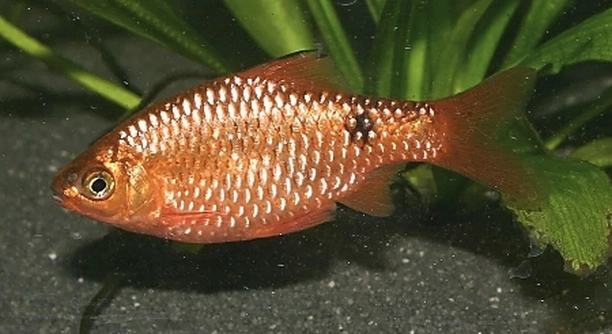
Rosy Barbs are popular aquarium fish known for their lively colors and active behavior. Many fishkeepers enjoy watching their interactions and wonder about their learning abilities. Training fish to respond to stimuli like light is an intriguing idea for hobbyists.
Rosy Barbs can be trained to follow a light source, but this requires patience and consistent conditioning. Using repeated exposure to a light signal paired with food rewards encourages the fish to associate the light with feeding time and follow it.
Understanding how Rosy Barbs react to light cues can enhance your aquarium experience and improve your bond with these charming fish.
How Rosy Barbs Respond to Light
Rosy Barbs have good eyesight and are naturally curious about changes in their environment. When a light source is introduced, they often notice it quickly. This reaction can be used in training by consistently presenting the light before feeding. Over time, the fish begin to associate the light with food, which motivates them to follow it. The key is repetition and timing. If the light is shown at random or without reward, the fish will not learn to connect the two. Using a small flashlight or LED light near the tank can help, as these are easy to control and less stressful for the fish. It is important to keep the sessions short to avoid tiring or stressing the Rosy Barbs. Watching them follow a light can be rewarding and adds an interactive element to caring for these lively fish.
Training should be gentle and patient, focusing on consistent signals and positive reinforcement.
Rosy Barbs respond best when the light is paired closely with feeding times. Starting with brief light exposure just before feeding allows the fish to form a strong association. Using a specific spot or direction for the light helps the fish know where to swim. Over days or weeks, this creates a pattern where the fish eagerly follow the light, expecting food. It also provides mental stimulation, which is good for their overall well-being. Avoid sudden or harsh lighting to keep the fish comfortable. With care, you can teach them to react reliably, making your aquarium more engaging to observe.
Tips for Effective Light Training
Consistency is key to training Rosy Barbs with light.
When training Rosy Barbs to follow light, start by choosing a gentle, focused light source. Use it for a few seconds before feeding, and repeat this routine daily. Avoid bright or flashing lights that can stress the fish. Reward them with food immediately after the light to strengthen the connection. Patience is important, as it may take several weeks for the fish to fully respond. Keep training sessions brief to maintain the fish’s interest and avoid fatigue. Observing their behavior carefully will help you adjust the light timing and intensity. Over time, this method encourages Rosy Barbs to follow light cues reliably, adding a fun and interactive way to care for your aquarium.
Common Challenges in Training Rosy Barbs
Training Rosy Barbs with light is not always easy. They can lose interest quickly or get distracted by other tank activities.
One common challenge is maintaining the fish’s attention. Rosy Barbs are active swimmers and may get distracted by tank decorations, other fish, or sudden movements outside the tank. If the light training is inconsistent or the light source is too bright, the fish might avoid it. Stress or poor water conditions can also reduce their willingness to participate. It helps to create a calm environment and limit other distractions during training sessions. Starting with short, regular sessions makes it easier for the fish to focus and gradually build a routine.
Another difficulty is timing the light and feeding correctly. The light must come just before the food to form a strong connection. If there is a delay, the fish won’t link the two. Careful observation and patience improve the chances of success.
Tools That Help in Training Rosy Barbs
Using the right tools makes training easier and more effective.
A small LED flashlight or a dedicated aquarium training light works well for guiding Rosy Barbs. These lights provide consistent, gentle illumination that won’t startle the fish. Some hobbyists use colored lights to create a stronger visual cue. Feeding tools like a pipette or a small dropper help deliver food precisely when the light is on, reinforcing the connection. A timer can also assist by signaling training times, helping keep sessions regular. Avoid using large or harsh lights that cause stress. With proper tools, training sessions become smoother and more enjoyable for both the fish and the caretaker. Consistency in using these aids is key to successful training.
How Often Should You Train Rosy Barbs?
Training sessions should be short and consistent. Aim for 5 to 10 minutes daily to keep the fish engaged without causing stress.
Avoid overtraining, as too many sessions can tire the fish and reduce their interest. Consistency over time builds a stronger response.
Recognizing When Rosy Barbs Are Learning
Signs that Rosy Barbs are learning include following the light promptly and showing excitement when it appears. They may swim quickly toward the source or gather in its direction during training.
Patience is important since not all fish learn at the same pace. Some may take weeks to respond reliably.
Environmental Factors That Affect Training
Water quality, temperature, and tank size impact how well Rosy Barbs respond to training. Poor conditions can stress fish and reduce their ability to focus.
Maintaining a clean, stable environment supports learning and overall health.
Avoiding Stress During Training
Stress can hinder the learning process. Use soft lighting and calm movements during sessions to keep Rosy Barbs comfortable and willing to participate.
FAQ
Can all Rosy Barbs be trained to follow a light?
Not all Rosy Barbs will respond the same way. Some are more curious and active, making them easier to train. Others may be shy or less interested in light cues. It’s important to be patient and observe each fish’s behavior before expecting results.
How long does it take for Rosy Barbs to learn to follow a light?
Training time varies, but generally, it takes a few weeks of daily, short sessions. Some fish might show interest after one week, while others take longer. Consistency and gentle encouragement are key to speeding up learning.
What type of light is best for training?
A small, soft LED light works best. It should be bright enough to catch the fish’s attention but not so intense that it causes stress. Colored LED lights are often preferred because they provide a clear visual cue without harshness.
Can I use a flashlight from my phone for training?
Yes, a phone flashlight can work if it’s used carefully. Make sure the light isn’t too bright or flickering, which can scare the fish. Keep the light steady and close to the tank during training.
Is it okay to train Rosy Barbs every day?
Daily training is ideal but keep sessions short—around 5 to 10 minutes. Overtraining can cause stress and fatigue, which may reduce the fish’s interest and affect their health.
What should I do if my Rosy Barbs don’t seem interested in the light?
Try changing the light’s position or color. Sometimes, a different angle or softer light helps. Also, ensure the fish are healthy and the tank conditions are good. If they’re stressed or sick, they may not respond well to training.
How do I know if the fish associate the light with feeding?
If Rosy Barbs swim toward the light regularly, especially around feeding times, they have made the connection. They may become more alert and swim excitedly when the light comes on.
Can training with light replace feeding time?
No, training with light is meant to be a signal for feeding, not a substitute. Always feed your Rosy Barbs a balanced diet to keep them healthy and happy.
Will training Rosy Barbs with light improve their overall behavior?
Training can increase their mental stimulation and reduce boredom, which helps prevent destructive behavior. Engaging them with light cues encourages activity and interaction.
Are there risks involved in training fish with light?
If done incorrectly, strong or flashing lights can stress fish. Keep training gentle and avoid sudden bright lights. Watching for signs of stress during training helps prevent any harm.
Can other fish in the tank interfere with the training?
Yes, other active or aggressive fish may distract Rosy Barbs during training sessions. If possible, train when the tank is calm, or use a separate training area to reduce distractions.
Is it better to train in the morning or evening?
Training at the same time every day helps fish form a routine. Morning or early evening sessions are good because fish are often more active during these times.
Should I use food every time I train with light?
Yes, food rewards help the fish associate the light with a positive outcome. Without food, the fish may lose interest in following the light.
Can I train other fish species with light the same way?
Some fish species can be trained similarly, but responses vary. Rosy Barbs are known for being responsive, but other species may need different methods or cues.
What if my fish don’t follow the light even after weeks of training?
Some fish may never fully respond. This doesn’t mean training failed; it may just not suit their personality. You can try other ways to engage them or accept their natural behavior.
How do I avoid stressing my fish during training?
Keep sessions short, use gentle lighting, and watch for signs of stress like hiding or erratic swimming. Stop training if fish seem uncomfortable and try again later.
Training Rosy Barbs to follow a light is a rewarding activity that adds a new dimension to caring for these colorful fish. It takes patience and consistency, but many fishkeepers find it enjoyable to watch their fish respond to simple cues. The process encourages interaction and can make daily feeding times more interesting. It is important to remember that not all Rosy Barbs will respond the same way, and some may take longer to learn or may not react strongly at all. This variation is normal and should not discourage anyone who wants to try training their fish.
Keeping the environment stable and comfortable for Rosy Barbs is essential during training. Good water quality, proper tank size, and a peaceful atmosphere help the fish stay healthy and focused. Using gentle lighting and short, regular training sessions prevents stress, which can interfere with learning. Offering food as a reward right after using the light helps fish form a positive connection. Over time, this routine can build trust between the fish and their caretaker. The simple act of watching fish follow a light can improve the aquarium experience and create a sense of accomplishment.
While training Rosy Barbs to follow a light is not a requirement for keeping them happy, it can enrich their lives and make aquarium care more engaging. It’s important to be patient and adjust expectations based on each fish’s personality and behavior. If the fish do not respond as hoped, focusing on their overall health and well-being is more important than training success. By providing a clean tank, a balanced diet, and a calm environment, Rosy Barbs will thrive whether or not they follow a light. Training is a fun option to try, but caring for the fish’s basic needs should always come first.

Hello,
If you enjoy the content that we create, please consider saying a "Thank You!" by leaving a tip.
Every little bit helps us continue crafting quality advice that supports the health, happiness, and well-being of pets around the world, for pets of all shapes, sizes, and species.
We really appreciate the kindness and support that you show us!