
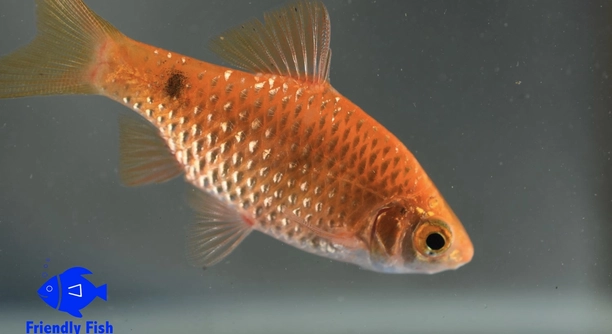
Rosy Barbs are popular freshwater fish that add color and life to many home aquariums. These lively swimmers often interact with their environment, including plants and decorations. Their behavior around these items can sometimes surprise new fish keepers.
Rosy Barbs may show mild territorial behavior toward aquarium decorations, especially during breeding or when establishing dominance. However, this territoriality is generally not aggressive and is limited compared to more territorial species.
Understanding how Rosy Barbs relate to their tank setup helps create a peaceful and enjoyable environment for them and their caretakers.
Understanding Rosy Barbs’ Territorial Behavior
Rosy Barbs are generally peaceful fish, but they can display territorial tendencies around decorations in the tank. These fish often choose certain spots or objects to claim as their own space, especially when the aquarium is small or crowded. When they feel comfortable and secure, they tend to swim freely without much concern for decorations. However, during breeding or when competing for food and attention, they may become more protective of their chosen areas. This behavior usually involves chasing away other fish rather than causing serious harm. Providing enough space and hiding spots helps reduce these territorial displays. It also makes the environment less stressful for all tank inhabitants, encouraging more natural and calm behavior from your Rosy Barbs.
These territorial displays are mostly mild and short-lived. They rarely cause lasting harm to other fish or damage to the tank setup.
By understanding these habits, you can arrange your tank in a way that supports peaceful interactions and reduces conflict among your Rosy Barbs.
How Decorations Affect Rosy Barbs
Decorations in an aquarium are more than just visual appeal—they offer Rosy Barbs places to hide, rest, and feel safe. When there are enough decorations spaced well, these fish are less likely to compete aggressively for territory. Overcrowded tanks with limited hiding spots can trigger more territorial behavior as the fish try to protect what little space they have. Smooth decorations without sharp edges are best, as Rosy Barbs are active swimmers and can hurt themselves if objects are rough or pointed. Plants, caves, and rocks provide good boundaries and natural areas for these fish to explore and stake out without conflict. Keeping decorations balanced and providing open swimming areas will encourage healthy activity and reduce stress. The goal is a well-arranged tank where decorations support natural behaviors without causing fights.
Signs of Territorial Behavior in Rosy Barbs
Territorial behavior in Rosy Barbs usually shows as chasing or nipping at other fish near decorations. They might hover around specific spots, guarding plants or caves. This behavior can increase during breeding or when tank space is limited.
When a Rosy Barb becomes territorial, it may repeatedly swim close to other fish to push them away from its chosen area. The fish might also display flared fins or quick darting movements to warn others. These signs help identify which parts of the tank the fish consider important. Recognizing this early can prevent stress and aggression from escalating.
It’s important to observe your fish regularly to see these patterns. If one fish is constantly aggressive, rearranging the tank decorations or increasing the tank size can help balance the space and reduce territorial disputes.
Managing Territorial Behavior
Adding more hiding places and decorations can help spread out the Rosy Barbs, reducing competition for territory. Plants, rocks, and caves create natural boundaries.
If your tank feels crowded, consider upgrading to a larger aquarium. More space means less competition and more room for each fish to claim a small territory without conflict. Monitoring the number of fish in the tank is also crucial. Overcrowding increases stress and territorial behavior.
Sometimes, separating especially aggressive fish temporarily can calm the tank environment. Ensuring good water quality and a regular feeding schedule also reduces stress, which lowers aggressive tendencies. Proper management of these factors helps keep your Rosy Barbs peaceful and happy.
Breeding and Territoriality
During breeding, Rosy Barbs become more territorial around decorations. They guard their chosen spots to protect eggs or fry. This behavior is temporary but can be more intense than usual.
Breeders often become protective and may chase other fish away from their nesting areas.
Tank Setup Tips for Reducing Territorial Behavior
Providing plenty of plants and hiding spots helps break up the tank into smaller territories. This reduces fights by giving fish places to retreat. Avoid overcrowding and keep decorations spaced out to encourage peaceful swimming areas. Soft, natural materials are best to avoid injury.
When to Worry About Aggression
If chasing or nipping leads to visible injuries or constant stress, it’s time to intervene. Aggression should never threaten the health of your fish.
FAQ
Can Rosy Barbs damage aquarium decorations when they are territorial?
Rosy Barbs are not known for damaging decorations. Their territorial behavior usually involves chasing or mild nipping at other fish rather than attacking objects. Decorations like plants, rocks, and caves generally stay intact. However, if decorations are fragile or poorly secured, fish movement could accidentally knock them over. Choosing sturdy decorations is always a good idea to avoid any accidents.
Do Rosy Barbs need hiding spots to feel less territorial?
Yes, hiding spots are essential for reducing territorial behavior. When fish have places to retreat, they feel safer and less likely to aggressively defend areas. Plants, caves, and rock formations break the tank into small zones, allowing fish to claim space without constant conflict. This setup supports peaceful coexistence.
How many Rosy Barbs should I keep to minimize fighting?
Rosy Barbs are schooling fish and feel most comfortable in groups of six or more. Keeping them in larger groups helps distribute any aggression and lowers stress. Small groups or pairs might lead to stronger territorial behavior, as fewer fish compete directly and more time is spent guarding spots.
Is it normal for Rosy Barbs to chase other fish?
Some chasing is normal, especially when establishing a hierarchy or defending territory. This behavior rarely leads to harm if the tank is well-arranged with enough space. Constant or aggressive chasing that causes injuries should be addressed by improving tank conditions or adjusting the fish population.
Can tank size affect Rosy Barbs’ territorial behavior?
Tank size plays a major role. Small or crowded tanks increase competition for space, which can make Rosy Barbs more territorial. A larger tank with plenty of swimming room and decorations allows each fish to find its own area, reducing aggressive interactions and promoting natural behavior.
How can I reduce aggression during breeding season?
During breeding, Rosy Barbs become more protective of their chosen spots. Adding extra hiding places and separating breeding pairs temporarily can help reduce aggression. Maintaining clean water and regular feeding schedules also lowers stress, making the fish less likely to fight.
Will Rosy Barbs bother peaceful tank mates because of territorial behavior?
Rosy Barbs generally show mild territorial behavior that doesn’t threaten peaceful tank mates. However, some chasing and nipping can occur around decorations. Choosing compatible tank mates and providing plenty of space reduces tension and keeps the community calm.
Are certain decorations better for reducing territorial disputes?
Natural decorations like live plants, smooth rocks, and caves are better because they provide safe hiding spots and break the tank into small territories. Avoid sharp or rough decorations that could injure fish during territorial displays or accidental bumps.
Should I rearrange decorations if territorial behavior gets worse?
Yes, rearranging decorations can help break up established territories and reduce fights. Changing the tank layout forces fish to explore new spaces and can lower aggressive patterns. This is especially helpful if one fish dominates a certain area.
How do I know when territorial behavior is a serious problem?
Territorial behavior becomes serious if it leads to constant chasing, visible injuries, or stress signs like hiding or loss of appetite. At this point, intervention is needed through tank adjustments, separating aggressive fish, or increasing tank size. Monitoring behavior regularly helps catch problems early.
Can food placement influence territorial behavior?
Food placement can affect aggression. Feeding fish in multiple spots reduces competition and chasing during mealtime. It allows shy or less dominant fish to eat without being chased away. Using slow feeders or spreading food evenly supports peaceful feeding.
Is it okay to keep Rosy Barbs with more aggressive fish?
It’s best to avoid mixing Rosy Barbs with very aggressive species. Although Rosy Barbs have mild territorial behavior, pairing them with aggressive fish can increase stress and fights. Choosing calm or similarly active fish helps maintain harmony in the tank.
What signs show that a Rosy Barb is stressed from territorial disputes?
Signs of stress include hiding frequently, losing color, reduced appetite, and erratic swimming. Stress weakens the immune system and can lead to illness. Reducing territorial triggers by improving tank space, decoration layout, and tank mates supports fish health and happiness.
Can Rosy Barbs share territory with other fish species?
They can share space peacefully if the tank is large enough and decorated well. Providing many hiding spots and open swimming areas helps fish establish their own zones. Compatibility depends on the species’ temperament and size, so careful selection is important.
How often should I observe my tank for territorial behavior?
Regular observation is important—daily if possible. Watching your Rosy Barbs helps catch early signs of aggression or stress. Early intervention with tank changes or fish management prevents serious problems and keeps the aquarium peaceful.
Final Thoughts
Rosy Barbs are generally peaceful fish that bring lively energy and color to a home aquarium. While they can show some territorial behavior around decorations, it is usually mild and temporary. This behavior often happens when they feel the need to protect their space, especially during breeding or when tank conditions are crowded. Understanding these natural tendencies helps in creating a comfortable and balanced environment for them. With proper tank setup, including enough space and hiding places, Rosy Barbs can live harmoniously with other fish and enjoy their surroundings without stress or conflict.
Managing territorial behavior in Rosy Barbs is mostly about giving them what they need to feel safe. Providing plenty of decorations like plants, rocks, and caves breaks the tank into smaller areas where fish can claim their own spots. It’s also important not to overcrowd the tank because too many fish in a small space increase competition and stress. Watching your fish for signs of aggression or discomfort allows you to make adjustments early. Simple changes like rearranging decorations or increasing tank size can reduce tension and encourage peaceful interactions among your fish.
Keeping Rosy Barbs happy means paying attention to their environment and social needs. They thrive in groups, so keeping six or more helps spread out any territorial behavior. Feeding them properly and maintaining clean water lowers stress, which also helps reduce aggression. Remember that mild chasing and territorial displays are normal but should not harm other fish or cause lasting problems. When tank conditions are right, your Rosy Barbs will be active, healthy, and a pleasant addition to your aquarium, showing more playful swimming than fighting over decorations.

Hello,
If you enjoy the content that we create, please consider saying a "Thank You!" by leaving a tip.
Every little bit helps us continue crafting quality advice that supports the health, happiness, and well-being of pets around the world, for pets of all shapes, sizes, and species.
We really appreciate the kindness and support that you show us!