
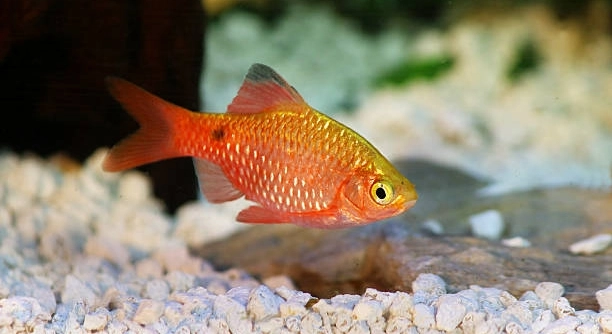
Rosy barbs are popular freshwater fish known for their bright colors and active nature. Many aquarium hobbyists wonder if these lively fish can share a tank peacefully with shrimp. Understanding their compatibility helps create a harmonious aquatic environment.
Rosy barbs can be kept with shrimp, but caution is necessary. These fish may view smaller shrimp as food, especially juveniles. Adult shrimp with ample hiding spots are more likely to coexist without issues, though careful monitoring is essential.
Knowing the key factors behind their interactions will help you maintain a balanced tank. This article explains the best practices for keeping rosy barbs and shrimp together safely.
Understanding Rosy Barbs’ Behavior
Rosy barbs are active and social fish that thrive in groups. Their natural curiosity sometimes leads them to nip at smaller tank mates, including shrimp. This behavior usually happens when they feel hungry or if the shrimp move quickly, triggering a chase response. However, rosy barbs are not aggressive by nature, and their tendency to nip varies depending on individual temperament. Providing plenty of plants and decorations in the tank helps break their line of sight and reduces stress for shrimp. In addition, feeding rosy barbs regularly and with enough variety helps keep their attention away from smaller tank inhabitants. If shrimp have enough hiding spots such as dense plants or caves, they can avoid most encounters. Tank size also matters; larger tanks give all inhabitants more space to coexist without frequent contact.
Tank setups that consider these factors generally show fewer incidents of rosy barbs bothering shrimp. Patience and observation are key to maintaining harmony.
Monitoring rosy barbs’ behavior closely during the first weeks is essential to prevent stress on shrimp.
The environment plays a significant role in the compatibility of these species. A well-planted tank with multiple hiding spots creates a safer space for shrimp. Using floating plants or tall decorations can limit direct encounters, helping shy shrimp avoid attention. Proper feeding routines ensure rosy barbs are less likely to view shrimp as food. Additionally, water parameters should suit both species, with stable temperatures between 68°F and 78°F and neutral pH levels. Avoid overcrowding, as stressed fish tend to become more aggressive. When selecting shrimp species, larger types such as Amano shrimp are often better companions for rosy barbs compared to tiny cherry shrimp. Overall, creating a balanced habitat with thoughtful design supports peaceful coexistence.
Ideal Tank Conditions for Rosy Barbs and Shrimp
A tank size of at least 20 gallons is recommended to reduce conflicts. This space allows fish and shrimp to spread out and find their own territories. Maintaining good water quality with regular changes benefits both species. Water flow should be moderate, mimicking natural environments but not too strong to stress shrimp. Temperature stability is important to avoid sudden changes, which can trigger aggressive behavior or weaken shrimp. Using smooth substrate avoids injury to shrimp and prevents fish from stirring up debris. Lighting should support plant growth while offering shaded areas. The presence of live plants such as Java fern and Anubias is beneficial because they provide shelter and reduce aggression. Careful attention to these conditions creates a tank that supports the health and wellbeing of both rosy barbs and shrimp, promoting a peaceful community tank.
Choosing Compatible Shrimp Species
Not all shrimp species fare equally well with rosy barbs. Larger shrimp, like Amano shrimp, tend to coexist better because they are less likely to be seen as prey. Smaller shrimp, such as cherry shrimp, are more vulnerable, especially young ones.
Amano shrimp are hardy and can handle the occasional curious nip better than smaller shrimp. Their size and speed help them escape potential threats. Cherry shrimp, while colorful and popular, require more hiding spaces to survive with rosy barbs. When choosing shrimp, consider their size and behavior relative to your fish. Providing plenty of plants and decorations gives smaller shrimp necessary refuge.
Juvenile shrimp are at the most risk in mixed tanks. They need ample cover during their early life stages to avoid becoming snacks. Monitoring tank interactions regularly is important to protect vulnerable shrimp.
Feeding Strategies to Reduce Aggression
Feeding rosy barbs regularly and with a balanced diet helps minimize their interest in shrimp as food. High-quality flakes, pellets, and occasional live or frozen foods keep them satisfied. Feeding small amounts multiple times a day prevents hunger-driven aggression.
Shrimp benefit from supplemental feeding too, such as algae wafers and blanched vegetables, which encourage them to stay in their hiding spots and reduce competition for food. Uneaten food should be removed to maintain water quality and prevent disease outbreaks.
Offering food at different tank levels encourages natural foraging behavior and reduces aggressive chasing. Watching feeding times closely allows adjustment if aggression starts. Consistent feeding routines build trust and calm among tank mates, helping both rosy barbs and shrimp thrive.
Tank Setup Tips for Peaceful Coexistence
Using plenty of live plants creates natural hiding spots for shrimp. Plants like Java moss and hornwort provide shelter and reduce stress. Adding decorations such as caves or driftwood also helps shrimp avoid fish.
A spacious tank with varied terrain reduces encounters. Layered plants and open swimming areas balance safety and activity for both species.
Signs of Stress or Aggression
Watch for missing shrimp or torn antennae, which indicate aggression. Shy shrimp hiding excessively may be stressed. Rosy barbs chasing shrimp often show signs of territorial behavior.
Early detection allows adjustments in tank setup or population to prevent harm.
Breeding Considerations
Shrimp breeding in a community tank is possible but challenging with rosy barbs present. Fry are vulnerable and often eaten. Providing dense plants and breeding shelters increases fry survival chances.
Monitoring during breeding helps protect the young and supports population growth.
Maintenance Essentials
Regular water changes keep conditions stable and healthy for all tank inhabitants. Avoid sudden temperature or pH shifts to reduce stress. Cleaning substrate and filters prevents harmful buildup and maintains water clarity.
FAQ
Can rosy barbs eat shrimp?
Yes, rosy barbs may eat smaller shrimp, especially babies or tiny species like cherry shrimp. They are curious and sometimes nip at shrimp, mistaking them for food. Adult shrimp with plenty of hiding spots are less likely to be targeted. Keeping the fish well-fed reduces this behavior.
What shrimp species are safest with rosy barbs?
Larger shrimp such as Amano shrimp are safer tank mates because their size makes them less appealing to rosy barbs. They are also fast swimmers and better at avoiding aggression. Smaller shrimp need dense plants and hiding places to survive alongside rosy barbs.
How can I protect shrimp in a tank with rosy barbs?
Providing plenty of plants, caves, and decorations helps shrimp find shelter. A well-planted tank with floating plants creates shaded areas where shrimp can hide. Feeding rosy barbs regularly and maintaining a clean tank reduces stress and aggression.
Do rosy barbs get aggressive as they age?
Rosy barbs can become more territorial as they mature, especially if the tank is crowded or lacks hiding places. Their nipping may increase if they feel stressed or hungry. Maintaining proper tank size and environment helps keep aggression low.
Can shrimp breed successfully with rosy barbs in the same tank?
Shrimp breeding is possible but challenging. Rosy barbs may eat the shrimp fry. Providing dense plants or moss for baby shrimp to hide increases survival rates. Some shrimp species breed more successfully in heavily planted tanks with ample shelter.
What tank size is ideal for keeping rosy barbs with shrimp?
A minimum of 20 gallons is recommended. This size gives fish and shrimp enough space to avoid frequent contact. Larger tanks with varied terrain and plants reduce stress and improve compatibility.
How often should I feed rosy barbs to prevent shrimp attacks?
Feeding small amounts two to three times daily helps keep rosy barbs satisfied and less likely to hunt shrimp. Use a varied diet with flakes, pellets, and occasional live or frozen foods to maintain their health and reduce aggression.
What water parameters suit both rosy barbs and shrimp?
Both species prefer stable conditions: temperatures between 68°F and 78°F, a pH near neutral (6.5–7.5), and moderate hardness. Consistency in water quality reduces stress and supports the health of all tank inhabitants.
Are there signs that rosy barbs are stressing shrimp?
Shrimp hiding constantly, missing limbs, or damaged antennae can indicate stress or aggression. Fish chasing shrimp or frequent nipping behavior should be monitored closely. Early intervention helps prevent injury or death.
Can rosy barbs and shrimp live peacefully without plants?
Plants are very important for shrimp to feel safe. Without plants or hiding places, shrimp are more exposed and likely to be attacked. A bare tank increases stress for shrimp and often leads to losses.
What should I do if rosy barbs attack shrimp?
Try adding more plants and decorations for hiding spots. Increase feeding frequency to reduce hunger-driven aggression. If attacks continue, consider separating species or upgrading to a larger tank to reduce stress.
How can I encourage shrimp to stay visible despite rosy barbs?
Shrimp feel safer with cover but sometimes hide too much. Providing low plants and flat surfaces helps shrimp graze while staying protected. Adjusting tank layout gradually can encourage shrimp to explore more.
Do rosy barbs nip other fish as well?
Yes, rosy barbs sometimes nip at slow-moving or long-finned fish. This behavior varies by individual and environment. Careful species selection and proper tank setup help reduce nipping.
Is it better to introduce shrimp or rosy barbs first?
Introducing shrimp first allows them to settle and establish hiding spots. Adding rosy barbs later can reduce the chance of immediate attacks. This order supports better acclimation for both.
What is the best way to monitor compatibility between rosy barbs and shrimp?
Observe interactions closely after introducing new tank mates. Look for chasing, hiding, or injuries. Keep a log if needed to track behavior changes. Adjust tank conditions if aggression increases.
Can rosy barbs live with shrimp in a community tank?
Yes, if the tank is large, well-planted, and stocked with compatible species. Balanced feeding and careful monitoring are essential. This setup supports coexistence and reduces risks to shrimp.
Final Thoughts
Keeping rosy barbs with shrimp is possible but requires careful planning and attention. Rosy barbs are lively fish that sometimes see smaller shrimp as food, especially when shrimp are young or very small. Providing a tank environment that offers plenty of hiding places is essential to protect shrimp. Live plants, caves, and decorations help shrimp avoid unwanted attention and reduce stress for both species. A spacious tank also gives them room to stay apart when needed, which lowers the chance of conflict.
Feeding is another important factor in maintaining peace between rosy barbs and shrimp. Well-fed rosy barbs are less likely to chase or nip at shrimp. Feeding small amounts multiple times a day with a varied diet keeps the fish satisfied and calm. It is also helpful to provide food sources for shrimp, like algae wafers or blanched vegetables, so they do not have to compete for food. Maintaining clean water with regular changes supports the health of all tank inhabitants and reduces stress that could cause aggression.
Compatibility depends not only on tank setup but also on the species of shrimp chosen. Larger shrimp, such as Amano shrimp, are generally safer choices because they are less likely to be eaten. Smaller shrimp require more cover and careful monitoring. Observing interactions after adding new tank mates helps catch problems early. With proper care and attention to tank conditions, rosy barbs and shrimp can live together peacefully, creating a vibrant and balanced aquatic community.

Hello,
If you enjoy the content that we create, please consider saying a "Thank You!" by leaving a tip.
Every little bit helps us continue crafting quality advice that supports the health, happiness, and well-being of pets around the world, for pets of all shapes, sizes, and species.
We really appreciate the kindness and support that you show us!