
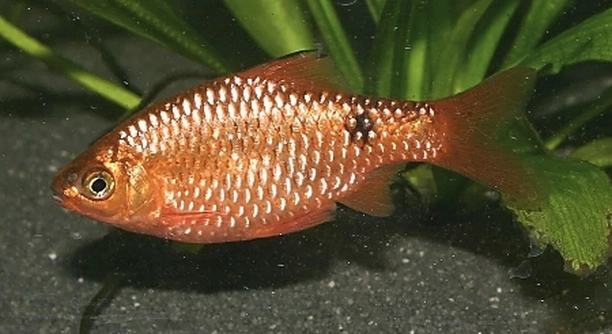
Rosy Barbs are popular freshwater fish known for their bright colors and active nature. Many aquarists enjoy keeping them in home tanks due to their hardy temperament. These fish can adapt to a variety of environments, making them suitable for beginner hobbyists.
Rosy Barbs can be kept in low-light tanks, but their coloration and activity may diminish without adequate lighting. While they tolerate dimmer conditions, optimal health and vibrant colors require moderate light exposure to mimic their natural habitat.
Learning about their light needs can help you create a comfortable environment. This article will explain how lighting affects Rosy Barbs and offer tips for keeping them healthy in low-light settings.
Understanding Rosy Barbs’ Light Requirements
Rosy Barbs naturally live in clear, shallow waters with moderate sunlight. Light is important for their health, affecting behavior, feeding, and coloration. In tanks with low light, these fish may become less active and their colors might fade. Although they can survive in dimmer environments, keeping them in such conditions long-term may cause stress. Stress can make Rosy Barbs more prone to disease and reduce their lifespan. Proper lighting encourages natural activity and vibrant colors, making the tank more enjoyable to watch. While low-light tanks may seem easier to maintain, it’s important to balance convenience with the needs of your fish. A simple LED aquarium light with moderate intensity usually provides enough light without overheating the tank. Observing your Rosy Barbs’ behavior under different lighting can help you adjust the setup for their best condition.
Even in low-light tanks, a 6 to 8 hour light cycle is beneficial to mimic natural conditions.
Choosing the right light intensity depends on your tank’s size and setup. Some plants and decorations can block light, so placement matters. If the tank is too dark, try adding a low-intensity light source. Rosy Barbs benefit from gradual changes in lighting rather than sudden bright light, which can stress them. Adjusting the light schedule to match day and night helps keep their internal clock regular. Watching for changes in their color and activity levels will guide you in making improvements. This small attention to lighting can make a big difference in keeping your Rosy Barbs healthy and happy.
Adjusting Care for Low-Light Conditions
In low-light environments, water quality and diet become even more important for Rosy Barbs. These fish rely on good nutrition to maintain their health when their environment lacks ideal lighting. Feeding them a balanced diet rich in color-enhancing ingredients helps compensate for the reduced light. Regular water changes and monitoring parameters like ammonia and nitrite are critical to prevent stress and disease. Low light can slow plant growth, which may reduce natural filtration, so extra care with cleaning is needed. Observing your fish daily helps catch early signs of stress or illness. Providing hiding spots and gentle water flow supports their comfort in less lit tanks. Adjusting these care factors will create a stable environment that supports Rosy Barbs even when light is limited.
Lighting Tips for Low-Light Tanks
Using a low-wattage LED light helps maintain gentle illumination without overwhelming Rosy Barbs. Position the light to avoid strong glare or dark shadows that could stress the fish. A timer ensures consistent day and night cycles, which supports their natural rhythms.
Soft lighting encourages natural behavior while preventing algae overgrowth common in brighter tanks. Avoid sudden changes in lighting intensity to reduce stress. If your tank has live plants, choose species that thrive in low light to maintain balance. Monitoring your fish’s activity and color will help determine if your lighting setup is appropriate or needs adjustment. Simple, gradual lighting adjustments keep Rosy Barbs comfortable and visually appealing.
Combining proper lighting with good water quality and diet creates a stable environment. This balance helps Rosy Barbs stay active and colorful even in less bright tanks. Paying attention to these details can improve their overall well-being.
Common Mistakes in Low-Light Rosy Barb Tanks
Overcrowding the tank can increase stress and reduce water quality, making low-light conditions more challenging for Rosy Barbs. Avoid adding too many fish to maintain proper oxygen levels and reduce waste buildup. Neglecting regular water changes often leads to poor conditions, which can weaken the fish’s immune system.
Not adjusting feeding habits is another common mistake. Overfeeding or underfeeding affects their health, especially when light is limited and activity is reduced. It’s important to offer balanced portions and high-quality food suited for their needs. Ignoring signs of stress like faded color or hiding behavior delays necessary care. Regular monitoring and maintenance prevent these problems and promote a healthier tank environment, even with low light.
Ideal Tank Setup for Rosy Barbs
A tank size of at least 20 gallons gives Rosy Barbs enough room to swim freely. Providing hiding places with decorations or plants helps them feel secure.
Using smooth gravel or sand prevents injury, and a gentle filter keeps water clean without creating strong currents that stress the fish.
Monitoring Fish Health in Low Light
Regularly observe your Rosy Barbs for changes in color, appetite, or activity. Early detection of problems is key in low-light tanks. Keep a log of any unusual behavior or signs of illness to track their health over time and adjust care as needed.
Choosing Suitable Plants
Low-light plants like Java Fern and Anubias thrive without strong lighting. These species provide natural hiding spots and help maintain water quality by absorbing excess nutrients, benefiting both the fish and the tank’s balance.
Adjusting Feeding Schedules
Feed Rosy Barbs small amounts twice daily to prevent overfeeding. This helps maintain water quality and matches their reduced activity in lower light conditions.
FAQ
Can Rosy Barbs survive in complete darkness?
Rosy Barbs cannot survive well in complete darkness. They need some light to regulate their daily cycles and maintain normal behavior. Lack of light can cause stress, reduce appetite, and fade their colors. While they tolerate low light, complete darkness for long periods is harmful to their health and well-being.
How long should the lights be on in a low-light tank?
For low-light tanks, keeping the lights on for about 6 to 8 hours daily works well. This duration mimics their natural environment and supports their activity without promoting excessive algae growth. Using a timer helps keep the cycle consistent, which reduces stress and supports the fish’s internal clock.
Will low light affect Rosy Barbs’ breeding?
Yes, low light can affect breeding. Rosy Barbs usually breed when conditions feel natural, including proper lighting. Dim light may delay or reduce spawning since it impacts their behavior and readiness. Brighter, moderate light encourages mating activity and successful breeding in home tanks.
What kind of light is best for Rosy Barbs in low-light tanks?
A low-wattage LED light with adjustable intensity is best. LED lights provide steady, even illumination without heating the water. Soft, diffused light helps reduce stress while maintaining enough brightness for the fish to thrive. Avoid harsh or flickering lights, which can upset their natural behavior.
Can I keep live plants with Rosy Barbs in a low-light tank?
Yes, you can keep live plants like Java Fern, Anubias, or Cryptocoryne. These plants tolerate low light well and create hiding spots, which make the fish feel secure. Live plants also help improve water quality by absorbing nutrients, balancing the tank environment.
How often should I change the water in a low-light tank?
Water changes should be done weekly or every two weeks, depending on tank size and stocking levels. Low light may slow plant growth, so regular changes keep the water clean and reduce toxins. Consistent water quality prevents stress and keeps Rosy Barbs healthy.
What signs show that Rosy Barbs are stressed in low-light conditions?
Stress signs include faded colors, reduced activity, hiding more than usual, or loss of appetite. If these behaviors last, it’s important to check water quality, lighting, and diet. Adjusting tank conditions can help restore their health and comfort.
Can low light cause disease in Rosy Barbs?
Low light itself doesn’t cause disease, but it can weaken the fish’s immune system over time. Stress from poor lighting combined with bad water conditions increases the risk of infections. Maintaining balanced light, clean water, and good nutrition helps prevent illness.
Should I feed Rosy Barbs differently in low-light tanks?
Feeding smaller amounts twice a day is ideal. Low light often means lower activity, so they need less food. Overfeeding leads to waste buildup, harming water quality. Using high-quality pellets or flakes with color-enhancing ingredients supports their health and coloration.
Is it okay to mix Rosy Barbs with other fish in a low-light tank?
Yes, but choose compatible species that also tolerate low light and similar water conditions. Avoid aggressive or very active fish that might stress Rosy Barbs. Peaceful species like danios or small tetras work well. Always monitor interactions to ensure harmony.
Rosy Barbs are fairly adaptable fish that can live in a variety of tank conditions, including low-light environments. While they do best with moderate lighting that helps show off their bright colors and encourages natural activity, they can survive and stay healthy with less light if other care aspects are managed well. Low light alone is not a problem if water quality is good, feeding is balanced, and the tank environment is stable. However, if lighting is too dim or inconsistent for long periods, it may cause stress or dull their appearance. It’s important to find a balance that supports their natural behaviors without causing discomfort.
Taking care of Rosy Barbs in low-light tanks means paying close attention to several factors. Using appropriate lighting, even if it’s minimal, helps keep their daily rhythms regular. Including low-light tolerant plants and providing hiding spots can create a comfortable habitat that reduces stress. Regular water changes and proper filtration are also crucial since less light may slow plant growth, which usually helps filter the water naturally. Feeding a high-quality, balanced diet in moderate amounts supports their health and helps maintain their color. Watching your fish closely for any signs of stress or illness will allow you to make timely adjustments to their care routine.
In summary, Rosy Barbs can thrive in low-light tanks if the environment is carefully maintained. Although they prefer some light for the best color and behavior, low light does not mean poor health when combined with good water conditions and nutrition. With the right setup and attention, you can enjoy healthy, active Rosy Barbs even in less brightly lit aquariums. This makes them a flexible choice for various tank setups, especially if you are limited in lighting options or prefer a more subdued look for your aquarium.

Hello,
If you enjoy the content that we create, please consider saying a "Thank You!" by leaving a tip.
Every little bit helps us continue crafting quality advice that supports the health, happiness, and well-being of pets around the world, for pets of all shapes, sizes, and species.
We really appreciate the kindness and support that you show us!