
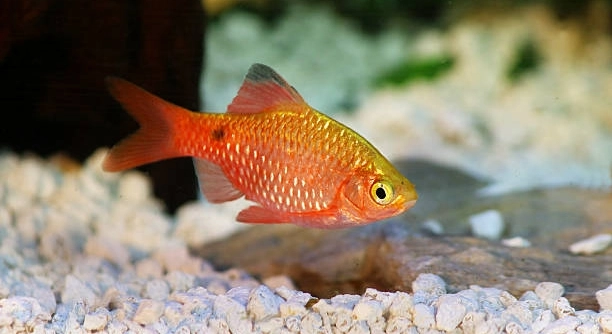
Rosy barbs are popular aquarium fish known for their vibrant colors and active behavior. Many fishkeepers wonder how well these fish adjust to sudden changes in large tanks. Understanding their adaptability is important for maintaining a healthy environment.
Rosy barbs show moderate adaptability to big tank changes but require gradual adjustment periods to avoid stress. Sudden environmental shifts can negatively affect their health and behavior, so careful monitoring and proper acclimation methods are essential.
Learning about how rosy barbs respond to tank changes helps ensure their wellbeing. This knowledge supports better care and a more stable aquatic environment for these lively fish.
How Rosy Barbs React to Large Tank Changes
When rosy barbs are moved to a bigger tank or when their existing tank undergoes big changes, their behavior and health can be affected. These fish are naturally curious and active, but sudden shifts in water conditions like temperature, pH, or flow can cause stress. Stress in rosy barbs may show through reduced activity, loss of color, or hiding. It’s important to maintain stable water parameters and introduce changes slowly. For example, increasing tank size gradually or adjusting filtration and aeration over several days helps the fish acclimate. Rosy barbs also rely on a balanced environment that mimics their natural habitat, so keeping plants, hiding spots, and clean water can support their adjustment. Monitoring their response during and after the change is key to preventing illness. Fishkeepers should test water regularly and watch for signs of discomfort or aggression among tank mates, as stress can also affect social behavior.
Adapting to change is easier when water conditions remain consistent. Gradual transitions reduce the risk of stress.
Taking time to observe your rosy barbs’ reactions will help you spot any problems early. If they appear lethargic or stop eating, small adjustments or additional hiding places can improve their comfort. Patience is important; some fish adapt within days, while others may take weeks. Ensuring stable water quality and providing proper nutrition will support their immune system during these times. Overall, a careful approach to tank changes keeps rosy barbs healthy and vibrant.
Tank Setup Tips for Rosy Barbs in Large Aquariums
Providing the right environment in a big tank helps rosy barbs settle faster. Space for swimming and plenty of hiding spots are essential.
A large tank gives rosy barbs room to swim actively, which supports their natural behavior and health. To create an ideal setup, include live or artificial plants and decorations where they can hide or rest. These elements reduce stress and encourage natural behaviors. The water should be well-filtered with gentle flow, as strong currents can tire the fish. Maintaining water temperature between 64°F and 72°F and a pH of 6.5 to 7.5 helps keep them comfortable. Regular water changes prevent harmful buildup of toxins. Grouping rosy barbs in small schools of at least six reduces aggression and promotes social interaction. Attention to lighting, avoiding overly bright or flickering lights, also helps keep them calm. These setup details contribute to a smooth transition when tank size changes and ensure long-term wellbeing.
Signs of Stress in Rosy Barbs After Tank Changes
Rosy barbs often show stress through changes in behavior and appearance. Watch for dull colors, erratic swimming, or hiding more than usual. Loss of appetite and increased aggression can also be signs that the fish are struggling to adjust.
Stress can weaken rosy barbs’ immune systems, making them more vulnerable to diseases. If they swim erratically or gasp at the surface, it could indicate poor water quality or oxygen levels. Behavioral changes like hiding or staying still often signal discomfort. Monitoring these signs early allows timely intervention, such as adjusting water parameters or providing more shelter. Preventing prolonged stress improves their chances of a smooth transition and long-term health.
If stress signs persist, testing water quality is essential. Ammonia, nitrite, or nitrate spikes can cause problems. Also, ensure the tank’s temperature and pH remain stable. Small adjustments like adding plants or rearranging decorations may reduce stress. Remember, a calm environment supports recovery and helps rosy barbs regain their usual vibrant behavior and color.
Feeding Adjustments During Tank Transitions
During tank changes, feeding routines may need adjustments to support rosy barbs’ health. Offer smaller, more frequent meals instead of large portions to avoid water pollution. Fresh, high-quality food helps maintain energy and immune function.
Providing a varied diet including flakes, pellets, and occasional live or frozen foods ensures balanced nutrition. Avoid overfeeding, as uneaten food can deteriorate water quality and increase stress. If the fish seem less interested in food, try offering favored treats or feeding at different times. Proper feeding supports recovery and helps the fish cope with environmental changes, promoting faster adaptation and sustained health.
Acclimating Rosy Barbs to New Tank Conditions
Slow acclimation helps reduce stress when moving rosy barbs to a new or changed tank. Gradual water mixing over several hours eases the transition.
Avoid sudden temperature or pH shifts during acclimation. Keeping conditions stable prevents shock and supports fish health.
Common Water Parameter Changes in Large Tanks
Large tanks can experience shifts in temperature, pH, and hardness. These changes affect fish comfort and require careful management. Frequent testing and adjustments help maintain stable conditions.
Avoiding Overcrowding in Bigger Tanks
Overcrowding raises stress and aggression in rosy barbs. Keeping appropriate fish numbers supports peaceful behavior and better health.
FAQ
How quickly do rosy barbs adapt to a bigger tank?
Rosy barbs usually begin adjusting to a bigger tank within a few days, but full adaptation can take up to two weeks. The pace depends on how gradual the changes are and how stable the water conditions remain. Sudden changes tend to slow down their adjustment.
What are the most important water parameters to monitor after tank changes?
Temperature, pH, ammonia, nitrite, and nitrate levels are the key parameters to watch. Keeping temperature between 64°F and 72°F and pH around 6.5 to 7.5 helps maintain comfort. Ammonia and nitrite should always be at zero, while nitrate should stay low.
Can rosy barbs handle sudden changes in water temperature?
Sudden temperature changes can shock rosy barbs and cause stress or illness. It’s best to adjust temperature slowly, about 1°F per day, to give their bodies time to adapt without harm.
How often should I test water after moving rosy barbs to a new or larger tank?
Testing water daily for the first week after a tank change is a good practice. After that, if conditions remain stable, testing twice a week can help catch any issues early.
What are the signs that my rosy barbs are stressed?
Look for faded colors, hiding, loss of appetite, rapid breathing, or erratic swimming. These signs suggest they are not comfortable and may need help with tank conditions or environment.
Is it necessary to quarantine rosy barbs before moving them to a bigger tank?
Quarantine isn’t always required if the bigger tank is clean and the fish show no signs of illness. However, if new fish are introduced, quarantining helps prevent disease spread.
How can I reduce aggression in rosy barbs in a larger tank?
Keep them in groups of six or more to spread out aggression. Provide plenty of hiding spots and plants to give each fish space and reduce conflicts.
What foods help rosy barbs recover from stress due to tank changes?
High-quality flakes, pellets, and occasional live or frozen foods like brine shrimp or bloodworms boost their nutrition. Feeding smaller amounts more often helps maintain energy without polluting water.
Should I rearrange the tank decorations when moving to a bigger tank?
Rearranging decorations can help reduce stress by creating a fresh environment. But avoid too many sudden changes at once to prevent confusion.
Can rosy barbs live happily in very large tanks?
Yes, they generally thrive in large tanks as long as water quality is good and they have enough space and social companions.
What should I do if my rosy barbs refuse to eat after a tank change?
Try feeding smaller amounts and offer favorite foods. Check water quality and temperature, as poor conditions often cause loss of appetite. Patience is important during this period.
How long should I wait before adding new fish to a newly set up big tank?
Wait at least two to three weeks to ensure stable water parameters and complete cycling. Adding fish too soon can cause spikes in toxins and stress all tank inhabitants.
Are there specific plants or decorations that help rosy barbs adjust better?
Plants that provide cover, like java fern or hornwort, help rosy barbs feel secure. Smooth decorations and hiding places reduce stress and promote natural behavior.
Can sudden water changes cause diseases in rosy barbs?
Yes, stress from sudden changes lowers their immune response, making them more susceptible to diseases like ich or fungal infections. Preventing shock through slow changes is key.
Is it normal for rosy barbs to hide more after a tank change?
Yes, hiding is a natural response to stress or uncertainty. Providing adequate shelter helps them feel safe while they adapt.
How does tank size affect rosy barbs’ social behavior?
Larger tanks allow more space for schooling and reduce aggression caused by crowding. This promotes healthier, calmer groups.
Rosy barbs are lively fish that can adapt to changes in their environment, including moves to bigger tanks, but this process requires care and patience. Sudden or large changes in water conditions often cause stress, which can affect their health and behavior. Keeping the water stable and gradually adjusting the tank setup are important steps to help rosy barbs feel comfortable. When their environment is steady, these fish tend to recover quickly and continue to display their bright colors and active swimming.
Taking time to watch how rosy barbs respond after a tank change is important. Stress signs like hiding, loss of appetite, or dull colors should not be ignored. Adjustments to feeding, water quality, or tank decorations can make a big difference. Providing plenty of space, good water quality, and enough plants or hiding spots reduces anxiety in the fish. Grouping them with enough companions also helps keep social stress low, especially in larger tanks.
Overall, helping rosy barbs adapt to big tank changes is about creating a stable and comfortable environment. Careful monitoring and slow transitions support their wellbeing. When these needs are met, rosy barbs will thrive and continue to be a vibrant, active part of the aquarium. Patience and attention to detail during tank changes will reward fishkeepers with healthy, happy rosy barbs that brighten their aquatic home.

Hello,
If you enjoy the content that we create, please consider saying a "Thank You!" by leaving a tip.
Every little bit helps us continue crafting quality advice that supports the health, happiness, and well-being of pets around the world, for pets of all shapes, sizes, and species.
We really appreciate the kindness and support that you show us!