
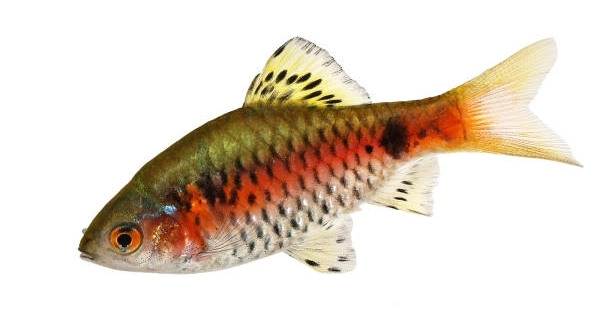
Have you ever noticed your Rosy Barbs acting restless or even nipping at tankmates, especially around feeding time? Their behavior might be telling you more than you think.
Rosy Barbs can act out when they’re hungry due to increased agitation and competition for food. This behavior often appears as nipping, chasing, or heightened activity levels, especially in community tanks where feeding routines may be inconsistent.
Hunger-related behavior in Rosy Barbs is more common than it seems, and understanding it can improve both their mood and tank harmony.
Why Hunger Triggers Aggression in Rosy Barbs
Rosy Barbs are active, social fish, but when they’re hungry, their behavior can quickly shift. Without enough food or a consistent feeding schedule, they may become territorial, aggressive, or overly energetic. This usually happens in community tanks where competition is higher. A hungry Rosy Barb may start nipping at tankmates or darting around more than usual. These outbursts are typically short-lived but can cause stress for other fish. It’s not about dominance—it’s about survival. When food is limited, their instincts take over. Recognizing these changes in behavior is important so you can adjust feeding routines before things escalate.
Consistency helps reduce the chance of aggression. Feeding them at the same time daily gives them structure and reduces stress.
Rosy Barbs also eat fast, which can leave slower fish without enough. Spread food across the tank to give all fish a chance. A varied diet also keeps them satisfied.
Tips to Prevent Hunger-Based Behavior
Feed small amounts twice a day to avoid overfeeding and hunger-driven behavior. Watch how they eat and adjust as needed.
If your Rosy Barbs are acting out, check your feeding routine first. Make sure you’re offering food that meets their nutritional needs and is appropriate for their size. Use slow-sinking pellets, flakes, or frozen foods, and avoid only feeding from the surface. In tanks with multiple fish species, distribute food in different spots to reduce tension and ensure everyone gets their share. Observe your Rosy Barbs after feeding. If they seem calmer and aren’t nipping or chasing, your feeding strategy is working. You may also want to test your water quality, as poor conditions can intensify stress. Balanced feeding and clean water are key to peaceful, healthy behavior.
How Tank Conditions Affect Feeding Behavior
Poor tank conditions can make hunger-related behavior worse. If the water is dirty or the tank is too crowded, Rosy Barbs become more stressed. This can increase aggression during feeding times and lower their overall energy levels.
Ammonia spikes, low oxygen levels, and sudden temperature changes all affect appetite and mood. When Rosy Barbs feel uncomfortable, they may act out more often—especially when food is added to the tank. A dirty tank also limits visibility, which can cause more competition during feeding as fish struggle to find food. Keeping a stable environment helps reduce this stress. Use a reliable filter, perform weekly water changes, and monitor water parameters regularly. Rosy Barbs are more peaceful when their surroundings are clean and consistent. The calmer the tank, the more balanced their behavior becomes, especially during feeding time.
Lighting can also play a role in feeding behavior. Rosy Barbs prefer moderate lighting that mimics natural daylight. If the light is too bright or on for too long, it may increase stress and reduce their appetite. Give them a regular light schedule and include shaded areas with plants or decorations. This gives them a more secure space to eat. Stability matters most in creating a calm feeding routine.
Recognizing Hunger vs. Aggression
It’s important to know the difference between normal energy and food-seeking behavior. Rosy Barbs are naturally lively, so not all fast swimming means they’re hungry or aggressive.
Hunger-related behavior usually looks like frantic swimming, begging near the surface, or chasing other fish during feeding times. True aggression, on the other hand, involves consistent fin nipping, territorial behavior, or chasing even when no food is present. Watch for patterns. If behavior calms after feeding, hunger was likely the cause. But if the aggression continues, other issues like tank size or incompatible tankmates could be behind it. Rosy Barbs do best in groups, but even then, balance matters. Look for signs like torn fins or hiding tankmates. These can show that one or more fish are acting out beyond mealtime. Adjusting food portions, improving water quality, and monitoring social behavior will help you tell the difference.
Feeding Mistakes to Avoid
Feeding too little can cause food-related aggression, while overfeeding harms water quality and leads to stress. Rosy Barbs thrive on balance—too much or too little affects both their health and behavior.
Using only one type of food can leave nutritional gaps. Rotate flakes, pellets, and frozen foods to meet their needs.
What to Do If They Keep Acting Out
If behavior doesn’t improve, reassess your feeding amounts, timing, and tank dynamics. Add more hiding spots or live plants to reduce stress. Check if tankmates are compatible. Aggression can sometimes come from a mismatch in energy levels or swimming space. Observe their behavior before and after feeding. If the aggression is limited to mealtime, try splitting food into smaller portions and feeding in separate areas. Consider feeding slightly earlier or later to reduce tension. Keeping things calm and consistent makes a big difference in helping Rosy Barbs feel secure and less reactive during meals.
Final Thoughts on Behavior and Feeding
Balanced feeding, good tank care, and careful observation make a big difference. When Rosy Barbs are well-fed and comfortable, they usually become peaceful, active swimmers.
FAQ
Can Rosy Barbs starve if they don’t get enough food?
Yes, Rosy Barbs can become weak or even starve if they don’t receive enough food regularly. They are active fish with a fast metabolism, so consistent feeding is important to keep their energy up and prevent health issues.
How often should I feed my Rosy Barbs?
Feeding twice a day with small amounts is ideal. This prevents hunger-related aggression and reduces waste buildup in the tank. Adjust portions to what they can finish in about 2–3 minutes.
Is it normal for Rosy Barbs to nip fins during feeding?
Some fin nipping can occur when competition for food is high. However, constant or severe nipping indicates stress or overcrowding. Improving feeding routines and tank conditions usually helps reduce this behavior.
What type of food is best for Rosy Barbs?
A varied diet works best. Use high-quality flakes or pellets designed for tropical fish, plus occasional frozen or live foods like bloodworms or brine shrimp. Variety supports their health and reduces boredom.
Can Rosy Barbs eat all at the surface?
Rosy Barbs are mid to upper-level swimmers, so feeding at different tank levels helps. Sinking pellets or spreading flakes allows slower or bottom dwellers to access food, reducing competition.
Will overfeeding cause aggression in Rosy Barbs?
Overfeeding can cause water quality issues, which increase stress and lead to aggression. While it may seem like more food reduces fighting, poor water conditions often have the opposite effect.
How does tank size affect Rosy Barb behavior?
Small tanks increase stress and competition, which can lead to aggressive behavior during feeding. Rosy Barbs need at least a 20-gallon tank for a small group to thrive peacefully.
Do Rosy Barbs need to be kept in groups?
Yes, they are schooling fish and feel more secure in groups of at least five. Smaller groups may cause stress and increase aggression, especially when hungry.
How do I know if aggression is caused by hunger or other factors?
If aggression spikes during feeding and calms afterward, hunger is likely the cause. If aggression persists throughout the day, consider tank size, water quality, and compatibility of tankmates.
Can live plants help reduce aggression in Rosy Barbs?
Live plants provide hiding spots and reduce stress, which can lower aggression. Plants also improve water quality, supporting healthier, calmer fish overall.
What should I do if one Rosy Barb is consistently aggressive?
Try rearranging the tank or adding more hiding places. If aggression continues, separating the aggressive fish temporarily or permanently may be necessary to protect others.
Is it okay to feed Rosy Barbs human food like vegetables?
Some vegetables like blanched peas or spinach can be given occasionally. Avoid processed or seasoned foods. A balanced commercial diet should remain the main food source.
How do water changes affect feeding behavior?
Regular water changes keep the tank clean and reduce stress, which helps maintain normal feeding behavior. Dirty water can cause Rosy Barbs to become more aggressive or lose appetite.
Can lighting affect how Rosy Barbs behave during feeding?
Yes, too bright or constant lighting can stress fish, making them more restless or aggressive. A natural light cycle with some shaded areas is best.
What signs show that my Rosy Barbs are well-fed and happy?
Calm swimming, peaceful interactions, healthy fins, and regular activity outside feeding times show they are content and well-fed. Sudden changes in behavior usually mean something is wrong.
Is it necessary to feed Rosy Barbs at the exact same time every day?
Feeding around the same time daily provides routine and reduces stress. However, slight variations won’t cause major issues if the overall feeding schedule is consistent.
Can Rosy Barbs survive fasting for a day or two?
Occasional short fasts (one or two days) usually don’t harm healthy Rosy Barbs and can help their digestion. Regular feeding is still important for long-term health.
Do Rosy Barbs show signs of hunger besides aggression?
Yes, they may swim eagerly near the surface or follow your movements outside feeding times. These behaviors are natural but should not be constant or frantic.
How important is tankmate selection for managing feeding behavior?
Choosing peaceful, similarly sized tankmates reduces competition and stress during feeding. Aggressive or very slow species can upset the balance and increase feeding conflicts.
Can supplements improve Rosy Barb feeding behavior?
Supplements like vitamins can support health but won’t fix poor feeding routines or tank conditions. Focus first on balanced feeding and clean water.
How to handle sudden changes in feeding behavior?
Check water quality, feeding amounts, and tank health immediately. Sudden changes often signal stress or illness needing prompt attention.
Are frozen or live foods better for reducing hunger aggression?
Both can be beneficial. Live or frozen foods encourage natural hunting behavior and provide nutrition variety, which can help keep Rosy Barbs satisfied and less aggressive.
How long does it take for Rosy Barbs to calm down after feeding?
Typically, they settle within 10 to 20 minutes after eating. If agitation lasts longer, it may indicate other issues like stress or overcrowding.
Is feeding Rosy Barbs multiple times per day better than one large feeding?
Multiple small feedings help maintain energy and reduce hunger-driven aggression. One large feeding can cause competition and leftover food problems.
Can hunger make Rosy Barbs sick?
Chronic hunger weakens their immune system, making them more prone to illness. Proper feeding supports overall health and disease resistance.
How to encourage slow eaters in a community tank?
Feed in multiple spots, use sinking pellets, and observe to make sure slower fish get enough food without stress. This helps reduce competition and aggression.
What are the risks of feeding only flakes or pellets?
A limited diet can lead to nutritional deficiencies. Including frozen or live foods prevents gaps and promotes vibrant health and behavior.
Should I adjust feeding if my Rosy Barbs are breeding?
Yes, breeding fish need more food for energy. Increase feeding frequency slightly but avoid overfeeding to keep water clean.
Can stress from other causes increase hunger-driven aggression?
Yes, illness, poor water quality, or sudden changes in the tank can raise stress levels, making hunger-related aggression worse. Managing all factors is key.
When Rosy Barbs act out, hunger is often a key factor behind their behavior. These fish are naturally active and social, but an inconsistent feeding routine or insufficient food can cause them to become agitated or aggressive. Understanding their needs helps reduce these issues. Feeding them small, balanced meals twice daily supports their energy levels and decreases competition during feeding time. Providing a varied diet with flakes, pellets, and occasional frozen foods keeps them healthy and satisfied. Hunger-driven behavior usually calms once their feeding needs are met consistently.
Tank conditions also play a crucial role in managing Rosy Barb behavior. Clean water, stable temperatures, and enough swimming space reduce stress that can otherwise worsen aggression. Overcrowded tanks or poor water quality increase tension among fish, making hunger-related problems worse. Live plants and hiding spots create secure areas that help Rosy Barbs feel safer and less likely to lash out. Maintaining proper filtration and regular water changes is essential. When the environment is stable and comfortable, Rosy Barbs tend to be calmer and friendlier, especially during feeding.
Finally, observing your fish closely will give the best clues about their health and mood. Signs like frantic chasing or fin nipping during feeding often point to hunger or stress, but ongoing aggression might mean other problems are at play. Monitoring water parameters, tankmates, and feeding habits allows you to make adjustments that improve their wellbeing. Taking time to learn about your Rosy Barbs’ behavior helps create a peaceful tank environment where they can thrive. Consistent feeding, good care, and patience make a big difference in keeping them happy and active without acting out.

Hello,
If you enjoy the content that we create, please consider saying a "Thank You!" by leaving a tip.
Every little bit helps us continue crafting quality advice that supports the health, happiness, and well-being of pets around the world, for pets of all shapes, sizes, and species.
We really appreciate the kindness and support that you show us!