
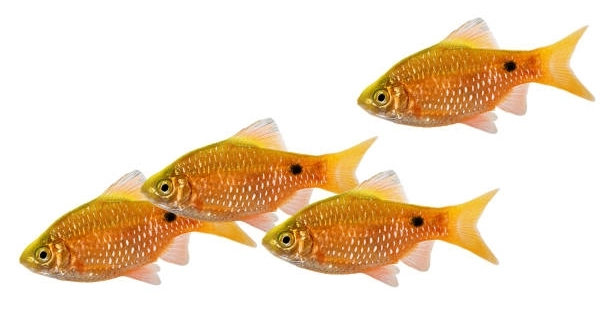
Rosy barbs are popular aquarium fish known for their bright colors and lively behavior. Many fish owners enjoy watching them swim and interact in their tanks. Sometimes, their activity levels can change, leading to noticeable behaviors.
Rosy barbs can act out when bored, exhibiting restless swimming, chasing other fish, or increased aggression. Such behaviors indicate a need for environmental enrichment and social interaction to maintain their well-being and reduce stress.
Recognizing these signs can help improve your rosy barbs’ habitat and keep them healthy and content in your aquarium.
Signs Rosy Barbs Show When They Are Bored
When rosy barbs get bored, their behavior changes in clear ways. You might see them swimming around the tank without purpose, often darting back and forth repeatedly. They can also start chasing other fish more aggressively than usual or nip at their fins. Sometimes, they spend more time hiding or seem restless. These signs usually mean they need more stimulation. Adding plants, decorations, or hiding spots can help keep them interested. Providing enough space and companions also reduces boredom because rosy barbs are social fish that thrive in groups. Watching their behavior closely helps you notice when they need changes in their environment to stay happy and healthy.
Bored rosy barbs often show more active or aggressive behaviors. These behaviors indicate the need for environmental improvement.
Improving tank conditions by introducing variety in decorations or increasing group size can help. This makes the environment more engaging and reduces stressful behaviors caused by boredom.
How to Prevent Boredom in Rosy Barbs
Preventing boredom in rosy barbs means creating a stimulating environment. Regularly changing decorations or plants can keep their surroundings fresh. Including natural elements like rocks or driftwood offers places to explore and hide. Make sure your tank is large enough, as cramped spaces lead to frustration. Rosy barbs enjoy company, so keeping them in groups of at least five is ideal. Feeding them a varied diet also adds interest and supports their health. Interacting with your fish by observing and occasionally changing feeding spots can make a difference. A well-maintained environment with room to swim and explore reduces signs of boredom and helps your rosy barbs stay active and content.
Keeping your tank interesting ensures your rosy barbs remain calm and healthy. Regular attention and adjustments to their habitat can make all the difference.
Common Behaviors of Bored Rosy Barbs
Bored rosy barbs often swim aimlessly or repeatedly along the tank’s edges. They may nip at other fish or hide more than usual.
These restless swimming patterns show they need more stimulation in their environment. Aggressive behavior like fin nipping often results from frustration or lack of activity. When hiding increases, it may mean the fish feel stressed or overwhelmed. Such behaviors are signals that adjustments to the tank setup or social grouping are necessary to improve their wellbeing.
Providing new objects or rearranging the tank can help redirect their attention. Observing their daily behavior closely will help you catch boredom signs early, allowing you to take action before stress affects their health or relationships with other fish.
Adjusting the Environment to Keep Rosy Barbs Engaged
Variety in the tank environment reduces boredom and related negative behaviors. Adding plants, rocks, and decorations provides hiding spots and exploration opportunities. This keeps rosy barbs curious and active.
Ensuring there is enough swimming space is important. Overcrowding can increase aggression, while too little stimulation causes lethargy or restlessness. Regularly changing tank decorations or adding new elements can refresh their interest. Also, keeping a proper group size supports natural social behavior and reduces boredom. Feeding varied diets at different spots encourages movement and mental activity. These small changes improve your fish’s overall happiness and reduce the chances of acting out from boredom.
How Social Interaction Affects Rosy Barbs
Rosy barbs are social fish that do best in groups. Being alone can increase boredom and stress.
A group of at least five allows them to display natural behaviors, reducing aggression and restlessness. Social interaction is vital for their mental and physical health.
Feeding Tips to Reduce Boredom
Feeding varied foods at different times and locations stimulates their senses. Offering flakes, pellets, and occasional live or frozen foods keeps their diet interesting and encourages activity.
When to Seek Help
If boredom signs persist despite changes, consider consulting an expert. Persistent aggression or lethargy may indicate health or environmental problems needing professional advice.
FAQ
Can rosy barbs get bored if they don’t have enough space?
Yes, rosy barbs need enough room to swim freely. A small tank limits their movement, which can cause frustration and boredom. Providing at least a 20-gallon tank for a small group helps them stay active and healthy. Without enough space, they may become restless or aggressive.
How many rosy barbs should be kept together to avoid boredom?
Keeping rosy barbs in groups of five or more is best. They are schooling fish and feel safer and more comfortable in groups. A proper group size helps reduce aggressive behavior and keeps them mentally engaged.
What types of tank decorations help prevent boredom?
Plants, rocks, and driftwood offer hiding spots and exploration areas. These decorations create a more natural environment, encouraging the fish to explore and feel secure. Changing or rearranging decorations regularly can renew their interest in the tank.
Is it normal for rosy barbs to chase each other?
Yes, chasing can be normal, especially in a group. However, constant chasing or aggressive fin nipping can indicate boredom or overcrowding. Watching their interactions can help determine if it’s playful or a sign of stress.
Can changing the feeding routine help reduce boredom?
Changing feeding times and offering a variety of foods can stimulate rosy barbs. Feeding at different spots in the tank encourages movement and mimics natural foraging behavior, which keeps them mentally active.
What are signs that boredom is affecting my rosy barbs’ health?
Signs include increased aggression, fin damage from nipping, restlessness, hiding too often, or loss of appetite. These behaviors suggest stress caused by a lack of stimulation or poor tank conditions.
Are live plants better than artificial ones for keeping rosy barbs entertained?
Live plants are generally better because they provide a natural environment and improve water quality. They also offer real hiding places and promote natural behaviors. However, artificial plants can still provide some enrichment if live plants are not an option.
How often should I rearrange the tank to prevent boredom?
Rearranging the tank every few weeks or monthly can keep the environment interesting. Too frequent changes can stress the fish, so it’s best to find a balance that works for your fish’s comfort and curiosity.
Can tank mates help reduce boredom in rosy barbs?
Yes, compatible tank mates provide social interaction and can reduce boredom. Choose peaceful species that thrive in similar conditions to avoid stress and aggression.
What if my rosy barbs remain aggressive despite changes?
If aggression continues, check for other issues like water quality, diet, or illness. Sometimes individual fish have personality differences, and separating the most aggressive ones may be necessary. Consulting an aquarium specialist can help find a solution.
Does lighting affect the activity levels of rosy barbs?
Proper lighting helps regulate their daily rhythm and activity. Too bright or too dim lighting can cause stress or lethargy. Using a consistent light schedule that mimics natural daylight supports healthy behavior.
Is it okay to keep rosy barbs in a bare tank to avoid boredom?
A bare tank usually increases boredom and stress. Without hiding places or objects to explore, rosy barbs may become restless or aggressive. Providing a stimulating environment is key to their wellbeing.
Can boredom cause disease in rosy barbs?
Indirectly, yes. Stress from boredom can weaken their immune system, making them more prone to illness. Keeping them engaged and comfortable reduces stress and supports their health.
How can I tell if my rosy barbs are stressed or just energetic?
Energetic behavior is often balanced with normal resting periods and social interactions. Stress may cause erratic swimming, hiding, or aggression. Monitoring their overall behavior and changes helps differentiate between the two.
Is it necessary to add new fish to prevent boredom?
Adding fish can help if done carefully, but it’s not always the best solution. Overcrowding causes more problems. Focus first on improving tank conditions and social groups before introducing new fish.
Rosy barbs are active and social fish that benefit greatly from a well-maintained and stimulating environment. When they become bored, their behavior can change in ways that affect their health and the harmony of the tank. Observing signs such as restless swimming, aggression, or hiding more often helps identify when they need more mental and physical engagement. Providing enough space, appropriate tank decorations, and keeping them in groups supports their natural behaviors and reduces the chance of boredom. Feeding them a varied diet and changing the feeding routine can also keep their interest and improve overall wellbeing.
Maintaining an ideal habitat is key to keeping rosy barbs content. They thrive best in a tank large enough to accommodate a small school, as this meets their social needs and encourages natural interactions. The addition of plants, rocks, and other decorations creates a more complex environment where they can explore, hide, and feel safe. Regularly changing or rearranging these elements refreshes their surroundings, preventing monotony. Attention to water quality and lighting also plays a role in supporting healthy activity levels. Together, these factors contribute to reducing stress and behavioral problems linked to boredom.
Ultimately, caring for rosy barbs involves paying close attention to their behavior and environment. Changes that seem minor, like adding new plants or adjusting feeding methods, can make a significant difference in keeping them engaged. If signs of boredom or aggression continue despite adjustments, it may be necessary to reassess tank conditions or seek advice from an aquarium professional. Understanding their needs and responding promptly ensures rosy barbs remain healthy, active, and a vibrant part of your aquarium for years to come.

Hello,
If you enjoy the content that we create, please consider saying a "Thank You!" by leaving a tip.
Every little bit helps us continue crafting quality advice that supports the health, happiness, and well-being of pets around the world, for pets of all shapes, sizes, and species.
We really appreciate the kindness and support that you show us!