
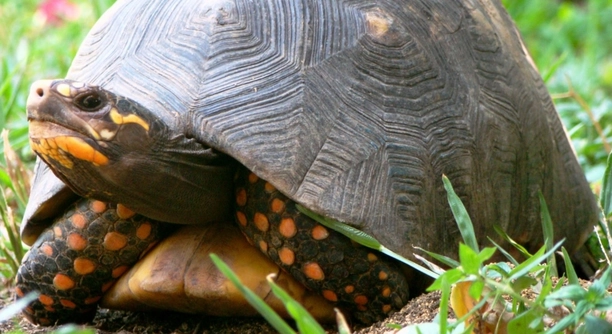
Red-footed tortoises are fascinating reptiles that are often kept as pets. They are known for their colorful shells and calm demeanor. However, when it comes to living with other reptiles, there are a few important considerations to keep in mind.
Red-footed tortoises can live with other reptiles, but careful planning is necessary to ensure compatibility. Different species have unique needs, and providing a suitable environment with proper space, temperature, and diet is crucial to their well-being.
Understanding the specific needs of both the tortoise and its potential reptilian housemates is essential for creating a harmonious habitat.
What Other Reptiles Can Live with Red-Footed Tortoises?
When considering reptiles to house with red-footed tortoises, it’s important to choose species that share similar environmental needs. Tortoises thrive in warm, humid environments and require ample space for roaming. Some reptiles, such as other tortoises or certain lizards, may be suitable companions if their habitat needs align with those of the red-footed tortoise. However, it’s essential to ensure that all species have enough space, hiding spots, and a balanced diet to prevent stress or competition for resources.
Choosing the right reptile is about balancing environmental requirements. Red-footed tortoises typically live peacefully with other non-aggressive species that thrive in the same conditions.
Sharing a habitat with other reptiles can be rewarding, but careful attention is needed to ensure the health of both species. Keep in mind that even if two reptiles seem compatible on paper, individual behavior can affect their ability to coexist. Monitor their interactions closely for signs of aggression or stress.
Habitat Considerations
Providing a proper habitat for red-footed tortoises and their reptilian housemates is essential. Temperature, humidity, and space are key factors to consider. Ensure that the enclosure has ample room for each reptile to roam freely and access sunlight or UVB lighting.
Tortoises often need hiding spots and shelters for comfort and security. Make sure that both species have a space to retreat to when needed. The substrate should be easy to clean, safe, and provide an area for burrowing if necessary. Also, make sure the habitat is escape-proof to keep both reptiles secure and prevent territorial issues.
Potential Risks of Housing Red-Footed Tortoises with Other Reptiles
While red-footed tortoises can coexist with other reptiles, risks exist. Differences in temperament and behavior can lead to stress or aggression. If their needs aren’t met properly, competition for space, food, or basking areas can cause conflict. Certain species may also carry diseases that could spread to your tortoise.
Some reptiles, like more territorial species, may not tolerate sharing an enclosure with a red-footed tortoise. It’s crucial to observe their behavior closely, particularly when first introducing them. Aggression can occur if the animals feel threatened, so it’s essential to monitor closely during the initial interactions.
Additionally, stress from overcrowding can lead to health problems. Red-footed tortoises, in particular, are sensitive to changes in their environment. Sudden changes in habitat, temperature, or food availability can negatively impact their health. It’s important to ensure that any other reptiles sharing the space don’t disrupt the tortoise’s routine and comfort.
Diet and Feeding Habits
Feeding a red-footed tortoise and its reptilian companions requires attention to each species’ dietary needs. Tortoises generally eat a variety of fruits, vegetables, and leafy greens, but these needs may differ from those of other reptiles in the same enclosure. Overfeeding one species or providing food that isn’t appropriate for all can create problems.
It’s essential to separate feeding times if necessary, to prevent one species from dominating the food supply. Red-footed tortoises can be slow eaters, so providing a specific feeding area for each species helps to avoid food disputes. Offering food that meets their unique nutritional needs ensures that all reptiles stay healthy and well-fed without competition.
Furthermore, some reptiles, like certain lizards, may be carnivorous and require a different type of diet, which could cause issues in a shared habitat. Always research the dietary habits of each species before considering housing them together.
Space and Enclosure Size
Space is one of the most important factors for housing multiple reptiles together. Overcrowding can stress the animals and cause territorial behavior. A large enclosure with distinct areas for each reptile to retreat to is essential for maintaining peace. Each species must have enough room to thrive.
Proper space ensures that each reptile has a designated area to bask, feed, and move freely. This prevents any one species from feeling confined or threatened. When setting up the enclosure, make sure to include hiding spots, elevated platforms, and areas with different lighting to cater to each species’ needs.
Temperature and Lighting
Maintaining proper temperature and lighting in a shared enclosure is key to the health of red-footed tortoises and other reptiles. Tortoises need a warm environment with UVB light to thrive. Ensure the temperature gradients in the enclosure meet the needs of each species living there.
Make sure to provide areas with both basking heat and cooler spots for the tortoise and its companions. A consistent light cycle mimics natural conditions and supports reptile health. Additionally, using a reliable thermometer and UVB light bulbs will help ensure that the enclosure stays suitable for all inhabitants.
Health Monitoring
It’s essential to monitor the health of all reptiles in a shared habitat. Watch for any signs of aggression or stress, such as changes in eating habits, hiding more than usual, or physical injuries. Promptly addressing health issues can prevent them from escalating.
Regular veterinary check-ups are also important to ensure that both the red-footed tortoise and its reptilian companions are disease-free. Many reptiles carry diseases that are not immediately visible, so testing for parasites and bacteria should be part of routine care.
FAQ
Can red-footed tortoises live with other tortoises?
Yes, red-footed tortoises can live with other tortoises, provided they are not highly territorial. Species that share similar environmental needs, like the Russian tortoise, may coexist well. However, ensure there is enough space to prevent territorial disputes. It’s also important to monitor their behavior, as some tortoises may become aggressive toward each other.
What reptiles can live with red-footed tortoises?
Lizards that thrive in similar conditions, like the bearded dragon, may live with red-footed tortoises if their habitat needs align. Choose non-aggressive reptiles with similar temperature and humidity requirements. Always ensure the enclosure is large enough to allow each reptile to have its own space.
How do I set up an enclosure for multiple reptiles?
To set up an enclosure for multiple reptiles, focus on creating different zones within the habitat. Provide basking areas, cool spots, hiding places, and access to water. The enclosure must be large enough to allow each species to move freely and comfortably. Separate feeding and hiding areas can also reduce stress and competition.
Can red-footed tortoises and lizards live together?
Yes, but only certain types of lizards that share similar needs. For example, herbivorous lizards that enjoy a similar diet and basking environment can cohabitate. Ensure that the lizard and tortoise have enough space to avoid aggression. Monitor their interactions regularly to check for signs of stress or territorial behavior.
How much space do red-footed tortoises need in a shared enclosure?
Red-footed tortoises need ample space to roam and bask. The enclosure should be at least 75 square feet for two to three tortoises, with additional space required if other reptiles are involved. Larger enclosures are better to ensure each reptile has its own area to move freely without feeling overcrowded.
What temperature should the enclosure be for red-footed tortoises and other reptiles?
For red-footed tortoises, the temperature should range from 75°F to 85°F during the day, with a basking spot around 95°F. Other reptiles may require different temperature zones within the enclosure. Provide both cooler areas and basking spots with adjustable heat sources to accommodate everyone.
Do red-footed tortoises need UVB light?
Yes, red-footed tortoises require UVB lighting to process calcium properly and avoid metabolic bone disease. The UVB light should be on for 10 to 12 hours a day. Make sure to position the light so that the tortoise can bask directly beneath it for full exposure.
How do I know if my reptiles are stressed in a shared habitat?
Signs of stress in reptiles include hiding more than usual, loss of appetite, changes in behavior, or aggression toward other animals. If any of these signs appear, it’s crucial to separate the reptiles and reassess their living conditions. Stress can lead to health problems, so immediate action is necessary.
Can red-footed tortoises share food with other reptiles?
No, red-footed tortoises have specific dietary needs, including fruits, vegetables, and leafy greens. Other reptiles, especially carnivores, require different types of food. To prevent competition and potential health risks, feed the reptiles separately. Always research the dietary requirements of each species before considering housing them together.
Do red-footed tortoises need to be kept with other reptiles?
No, red-footed tortoises do not need to be kept with other reptiles. They can live happily alone as long as their space and care needs are met. In fact, some tortoises may prefer solitude, and keeping them alone reduces the risk of territorial disputes or stress.
Can I mix aquatic reptiles with red-footed tortoises?
Mixing aquatic reptiles with red-footed tortoises is generally not recommended. While some aquatic reptiles may share similar humidity needs, they often require different temperatures or water conditions. Additionally, aquatic species can be more aggressive, especially if the tortoise is near their territory. Keep aquatic and terrestrial reptiles in separate enclosures.
What should I do if my reptiles are fighting in the same enclosure?
If your reptiles are fighting, immediately separate them to prevent injury. Observe their behavior to identify the cause of the aggression, such as territorial disputes, food competition, or incompatible environmental needs. Reassess the enclosure size, hiding spots, and other factors to ensure a more peaceful living environment.
Is it safe to house different species of reptiles together?
It can be safe to house different species of reptiles together, but only if their environmental and dietary needs align. Species that are non-aggressive and share similar temperature, humidity, and space requirements may live peacefully together. Always monitor their behavior closely and separate them if any issues arise.
How often should I clean a shared reptile enclosure?
A shared reptile enclosure should be cleaned regularly to prevent the spread of bacteria and disease. Clean the habitat at least once a week, ensuring that all food waste, substrate, and uneaten food are removed. Spot clean daily, especially around the feeding and basking areas, to maintain a healthy environment for all species.
What types of substrate are best for red-footed tortoises and other reptiles?
For red-footed tortoises, a substrate that retains moisture is ideal, such as coconut coir, organic soil, or a mix of sand and soil. For other reptiles, it depends on their needs—some may prefer a drier substrate, while others require moisture-retaining materials. Always choose a substrate that is safe for each species.
Can red-footed tortoises transmit diseases to other reptiles?
Yes, red-footed tortoises, like all reptiles, can carry diseases such as Salmonella or parasites that can affect other reptiles. It’s important to quarantine any new reptiles before introducing them to an existing habitat. Regular veterinary check-ups and maintaining a clean environment can help prevent disease transmission.
Final Thoughts
Red-footed tortoises can live with other reptiles, but it requires careful consideration of their needs and behaviors. It’s essential to ensure that the other reptiles have compatible environmental and dietary requirements. Not all reptiles will get along, and some species may become territorial or aggressive. Providing adequate space, separate feeding areas, and hiding spots can reduce stress and prevent conflict. Red-footed tortoises, being herbivores, need a diet rich in leafy greens, fruits, and vegetables. If other reptiles in the enclosure have different dietary needs, feeding separately is essential to ensure each species is getting the proper nutrition.
While it is possible to house red-footed tortoises with other reptiles, it’s not always necessary. Many tortoises thrive well on their own, enjoying solitary environments. Keeping a red-footed tortoise alone can sometimes be the best option, as it reduces the chances of territorial aggression and ensures the tortoise has enough space to roam without interference. When housed alone, it’s still important to create an enriching environment with enough room to move, bask, and access food. If considering keeping them with other reptiles, careful monitoring is crucial to prevent stress and ensure all animals are comfortable.
Ultimately, the decision to house red-footed tortoises with other reptiles depends on the specific species involved and their compatibility. While it is possible for them to coexist, it requires significant planning and constant monitoring. When done properly, multiple reptiles can live together in harmony, but it’s important to assess the needs of each species regularly. Whether they live alone or with other reptiles, the priority should always be the health and well-being of the animals. Providing an environment that mimics their natural habitat, complete with appropriate temperature, humidity, and diet, will support a happy and healthy red-footed tortoise.

Hello,
If you enjoy the content that we create, please consider saying a "Thank You!" by leaving a tip.
Every little bit helps us continue crafting quality advice that supports the health, happiness, and well-being of pets around the world, for pets of all shapes, sizes, and species.
We really appreciate the kindness and support that you show us!