
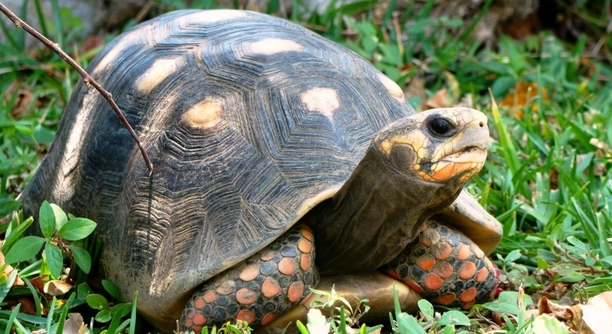
Red-footed tortoises are known for their calm nature and distinctive appearance. Many people wonder if they can thrive in an outdoor garden environment. Providing a safe and comfortable space for these tortoises is key to their well-being.
Red-footed tortoises can live in a garden, but it’s important to create a secure outdoor setup that mimics their natural habitat. They need access to shaded areas, proper humidity, and protection from predators to thrive.
The right outdoor setup includes a suitable enclosure, proper landscaping, and attention to temperature and humidity levels. These factors help ensure your tortoise enjoys a long and healthy life in your garden.
Creating a Safe Outdoor Habitat for Your Red-Footed Tortoise
A secure outdoor environment is essential for a red-footed tortoise. They enjoy a spacious area with access to natural light, but they also need shaded spots to retreat from the sun. The garden should have a balance of sun and shade, as well as some shelter for protection against rain or extreme temperatures. It’s important to ensure the ground is soft and safe, free from sharp objects that could harm their sensitive underbellies. Additionally, a sturdy fence is necessary to keep them from wandering off and to protect them from predators.
Red-footed tortoises are also known to be escape artists, so a strong fence is a must. An enclosure should be tall enough to prevent climbing and deep enough to stop digging.
Adding plants that provide both food and shelter for your tortoise is another way to enrich their environment. You can plant low-growing, non-toxic plants for them to graze on. These plants can also provide natural hiding spots where your tortoise can feel safe.
Temperature and Humidity Control
Maintaining the right temperature and humidity is vital for red-footed tortoises to stay healthy. Ideal temperatures for these tortoises range from 75°F to 85°F during the day, with a slight drop at night. A basking area should be set up to allow them to warm up, as they need heat to digest their food properly. It’s also important to provide a cool, shaded spot to help them regulate their body temperature.
Humidity plays an important role too. Red-footed tortoises thrive in humid environments, and their enclosure should have humidity levels between 60% and 80%. If your garden is in a dry climate, consider adding a shallow water dish or misting the area to maintain moisture.
To keep their habitat comfortable, monitor the temperature and humidity with a thermometer and hygrometer. These tools will help ensure you’re creating the perfect outdoor space for your red-footed tortoise.
Choosing the Right Plants for Your Garden
Red-footed tortoises enjoy grazing on plants, so selecting safe, edible plants is important. You can plant dandelions, clover, and hibiscus, as these are part of their natural diet. Avoid any toxic plants that could harm your tortoise. Always double-check before adding new plants to the garden.
Non-toxic plants can provide both food and shelter for your tortoise. Adding native plants to your garden helps mimic their natural environment. It’s also helpful to mix in plants that provide shade, as these help regulate the tortoise’s temperature during hot weather. Keep in mind that some plants may need extra care to grow well outdoors.
Planting a variety of grasses, leaves, and flowering plants ensures that your tortoise has access to fresh food year-round. However, always make sure your plants are pesticide-free. Chemicals from fertilizers or sprays can be harmful, so it’s better to rely on organic gardening methods when growing food for your tortoise.
Providing Proper Fencing for Safety
A sturdy fence is necessary for protecting your red-footed tortoise. It should be tall enough to prevent them from climbing out and deep enough to stop them from digging. You can use materials like wood, mesh, or plastic, but make sure there are no gaps.
An enclosure needs to be secure enough to keep your tortoise safe from predators. Raccoons, dogs, and other animals can be dangerous. The fence should also be tall enough to keep your tortoise from climbing over it. Ensure the bottom of the fence is buried to prevent digging.
Take time to inspect your fence regularly to make sure it stays in good condition. Over time, weather and wear can weaken it, which can lead to escapes or safety concerns. Consider adding a lid or covering to protect your tortoise from aerial predators like birds.
Adding Water Features for Enrichment
Water features like shallow ponds or dishes can enrich your tortoise’s environment. These provide hydration, a place to bathe, and can help maintain humidity. Make sure the water is not too deep to avoid the risk of drowning. A small, safe water source encourages natural behaviors.
Water helps keep your tortoise hydrated, especially in hot weather. Place a shallow dish that your tortoise can easily climb in and out of. Clean the water frequently to prevent bacteria from growing. Also, ensure the water feature is free from chemicals, as your tortoise may drink from it.
Regular Maintenance of the Habitat
Keeping your tortoise’s habitat clean is essential for its health. Remove uneaten food, waste, and any debris regularly. Rinse and clean the water dish daily. Over time, organic waste can build up and attract pests, so consistent cleaning keeps everything hygienic.
A clean space helps prevent disease and maintains the right environment for your tortoise. Inspect the fencing, plants, and any shelters for damage or wear. Regular maintenance ensures your tortoise has a safe, healthy home to thrive in.
FAQ
Can red-footed tortoises live in a garden year-round?
Yes, red-footed tortoises can live in a garden year-round, but the climate must be suitable for them. They thrive in warm, humid environments. If you live in a cooler climate, you’ll need to provide an indoor shelter during the colder months. The outdoor garden should have access to sunlight and shaded areas for temperature regulation, but if temperatures drop below 60°F (15°C), you may need to bring your tortoise inside to prevent stress or illness. Be sure to monitor the weather and bring them in if necessary.
What kind of soil do red-footed tortoises need in their garden?
Red-footed tortoises need soft, well-draining soil for their garden habitat. A mixture of sand, soil, and organic matter works best. Avoid clay or heavy soil that doesn’t allow water to drain properly, as this can lead to waterlogged areas that are unhealthy for the tortoise. The soil should also be free from chemicals, such as pesticides or fertilizers, which could harm your tortoise. Keep the soil clean and fresh to prevent the growth of harmful bacteria or parasites.
How much space do red-footed tortoises need in a garden?
Red-footed tortoises require ample space to roam and explore. A minimum enclosure size of 8 feet by 8 feet is recommended for a single tortoise, but the more space, the better. The enclosure should allow your tortoise to move around freely and mimic the natural environment, with areas for basking, hiding, and grazing. Larger enclosures give them a better chance to exercise, which helps maintain their health.
What kind of shelter should I provide for my red-footed tortoise in the garden?
Shelter is essential for your red-footed tortoise to protect them from extreme weather, predators, and stress. A wooden or plastic shelter with a simple roof will provide a safe space. Ensure it’s large enough for your tortoise to retreat into when it gets too hot or cold. The shelter should have proper ventilation but be insulated enough to keep the tortoise warm during cooler nights. Place it in a shaded area where the tortoise can rest without being directly exposed to harsh sunlight.
What temperature should the garden be for a red-footed tortoise?
Red-footed tortoises need a warm environment to stay healthy. During the day, temperatures should range between 75°F and 85°F (24°C to 29°C), while nighttime temperatures can drop to about 70°F (21°C). If your garden has cooler temperatures, you might need to install a heat lamp or heating pad in a sheltered area to maintain a consistent temperature. In the winter months, it’s crucial to monitor the outdoor conditions and move the tortoise indoors if it gets too cold.
How can I protect my red-footed tortoise from predators?
To protect your red-footed tortoise from predators, you must secure their enclosure with a strong fence. Use materials like wood, mesh, or thick plastic, ensuring there are no gaps or loose areas where predators like raccoons or dogs could enter. The fence should be tall enough to prevent climbing and deep enough to prevent digging. You can also cover the top of the enclosure to protect against birds or other aerial predators. Regularly inspect the fencing for any damage or weaknesses that could lead to escapes or safety risks.
How often should I feed my red-footed tortoise in the garden?
In the garden, your red-footed tortoise should be fed fresh food every day. Their diet mainly consists of leafy greens, flowers, fruits, and vegetables. You can offer dandelions, hibiscus, clover, and other safe plants from the garden. It’s important to vary their diet to provide all the necessary nutrients. If the garden doesn’t offer enough natural food, supplement it with store-bought tortoise food. Always make sure there’s clean water available for drinking and soaking.
Do red-footed tortoises need a water source in their garden?
Yes, red-footed tortoises need a constant supply of fresh water in their garden. Provide a shallow dish or small pond that they can easily access. This will help them stay hydrated and give them the opportunity to bathe and soak. Red-footed tortoises enjoy soaking in water, which also aids in digestion and helps regulate their body temperature. Clean the water regularly to avoid the build-up of harmful bacteria and ensure your tortoise’s health.
Can I keep multiple red-footed tortoises together in the garden?
While red-footed tortoises can live with other tortoises of the same species, it’s essential to monitor their behavior. Tortoises are territorial and may become aggressive if they feel their space is being invaded. If you plan to house multiple tortoises, make sure the enclosure is large enough for each one to have its own space and access to food, water, and shelter. Watch for any signs of aggression or stress, and be prepared to separate them if needed.
Are red-footed tortoises good pets for beginners?
Red-footed tortoises can be a good choice for beginners, as they are relatively low-maintenance and hardy, provided they have the right environment. They are calm and easy to handle, making them ideal for someone who wants a slow-paced pet. However, it’s important to understand their needs, including space, diet, temperature, and humidity. With the right setup and care, they can thrive in a garden and provide a rewarding experience for new tortoise owners.
Final Thoughts
Red-footed tortoises can thrive in a garden if their habitat is properly set up. Creating a safe and comfortable environment is essential for their well-being. Providing a secure enclosure, the right temperature, humidity, and access to food and water will help your tortoise live a healthy life outdoors. A well-designed garden with safe plants and shelter will allow them to enjoy their natural behaviors, such as grazing and basking in the sun.
While it’s important to create an outdoor environment that mimics their natural habitat, it’s equally important to regularly monitor their living conditions. Temperature fluctuations, humidity levels, and weather changes can all impact their health, so keeping track of these factors is crucial. Red-footed tortoises are vulnerable to extreme cold, so if your area experiences chilly winters, you may need to bring them inside or provide heating. Regular maintenance of the garden, including checking for predators and keeping the area clean, is also necessary for their safety and comfort.
Overall, with the right care and attention, a red-footed tortoise can thrive in an outdoor garden. They can enjoy the freedom of roaming and grazing, while also benefiting from the natural elements around them. However, owning a tortoise means being responsible for creating an environment that meets their specific needs. By investing time in setting up and maintaining a proper outdoor space, you’ll help your tortoise live a long, healthy, and happy life.

Hello,
If you enjoy the content that we create, please consider saying a "Thank You!" by leaving a tip.
Every little bit helps us continue crafting quality advice that supports the health, happiness, and well-being of pets around the world, for pets of all shapes, sizes, and species.
We really appreciate the kindness and support that you show us!