
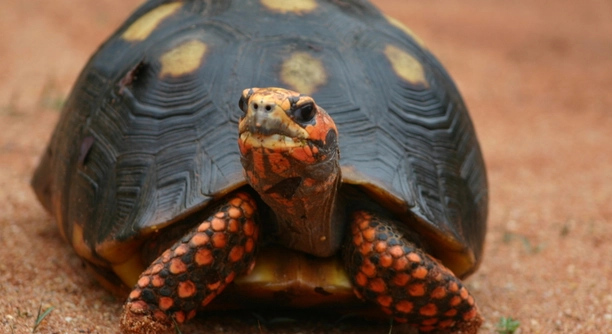
Red-footed tortoises are omnivores, and their diet consists of a variety of fruits, vegetables, and greens. When considering new foods, it’s important to know what is safe and beneficial for them.
Spinach can be given to red-footed tortoises in moderation. It contains high levels of oxalates, which can interfere with calcium absorption, potentially leading to health issues if consumed excessively. Balance is essential to avoid any negative effects.
Understanding the role of moderation in their diet is key to keeping your tortoise healthy and thriving.
Why Moderation Matters for Red-Footed Tortoises
Spinach is a healthy vegetable, but feeding it to your red-footed tortoise too often can cause problems. Oxalates, naturally occurring compounds in spinach, can bind to calcium and prevent its absorption. Over time, this can lead to metabolic bone disease, a common issue in reptiles that don’t get enough calcium. While spinach does offer vitamins and other nutrients, it’s best to limit its presence in your tortoise’s diet. Instead, offer a mix of other greens, such as dandelion greens, kale, and collard greens, which have less oxalate content. It’s important to maintain variety in their diet to ensure they get the nutrients they need without overloading on any one compound.
Moderation isn’t just about reducing spinach intake. It’s about creating a balanced feeding routine that provides the right amount of vitamins, minerals, and fiber for overall health.
Incorporating a variety of foods will help your tortoise thrive. Other vegetables, fruits, and even some flowers can be included to ensure your tortoise receives a well-rounded diet. This diversity helps keep your tortoise healthy, prevents nutritional imbalances, and supports strong bones and a healthy shell.
Potential Risks of Overfeeding Spinach
Even though spinach is rich in nutrients, excessive consumption can have adverse effects. Spinach can be especially harmful if your tortoise already has a calcium deficiency or other health issues.
Too much spinach can lead to kidney problems, since oxalates can form crystals. These crystals may accumulate in the kidneys over time, causing potential harm. Additionally, high oxalate levels can affect digestion and overall gut health. Keeping spinach as a treat rather than a regular food source helps avoid these risks.
Best Greens for Red-Footed Tortoises
When looking for alternatives to spinach, focus on greens with lower oxalate content. Dandelion greens, collard greens, and mustard greens are all good options. These greens are packed with essential nutrients without the same risk of calcium binding. Offering a mix of these will keep your tortoise healthy.
You can also offer a variety of herbs like parsley and cilantro, as well as edible flowers like hibiscus or dandelions. The goal is to keep their diet diverse, so they get all the vitamins and minerals they need. Always avoid iceberg lettuce, as it has little nutritional value.
Variety helps prevent boredom and encourages foraging behavior. Red-footed tortoises thrive on different textures and flavors, so mix up their greens regularly. This also supports their digestive health and overall well-being. As with any new food, introduce changes gradually to avoid upsetting their stomach.
Importance of Calcium in a Tortoise’s Diet
Calcium is vital for red-footed tortoises, as it supports bone health and shell growth. Since spinach can interfere with calcium absorption, it’s crucial to provide other calcium-rich foods. Calcium also helps in nerve function and muscle contraction. Without enough calcium, your tortoise can develop metabolic bone disease.
To ensure your tortoise gets sufficient calcium, supplement their diet with calcium-rich foods like dandelion greens, kale, and calcium-enriched pellets. If your tortoise’s diet lacks calcium-rich food, you can add a calcium powder supplement. Sprinkle it lightly over their food once or twice a week to ensure proper absorption.
Calcium is necessary not just for bones, but for the health of the shell as well. A well-balanced diet, with a calcium supplement when necessary, is essential to avoid health problems. Your tortoise’s shell should remain strong, smooth, and healthy with the right care and nutrition.
How Often to Feed Spinach
Spinach can be offered to red-footed tortoises occasionally, but it should not be a regular part of their diet. Once a week is a reasonable frequency, ensuring that it’s only a small portion of a larger, balanced meal. Always consider its oxalate content.
You want to maintain variety, so their diet includes other nutrient-rich greens and vegetables. Moderation ensures that they get the benefits of spinach without the risks associated with excessive consumption. Mixing it with other leafy greens is the best approach to maintain a healthy feeding routine.
Signs of Calcium Deficiency
If your tortoise is not getting enough calcium, you may notice a few signs, such as weakness, a soft shell, or difficulty moving. Their shell might appear soft or deformed, and they could become lethargic.
Address these signs quickly by adjusting their diet or adding calcium supplements. Regular checkups with a reptile vet will also help ensure your tortoise stays on track. Proper care and a balanced diet will support their long-term health.
FAQ
Can red-footed tortoises eat other types of greens?
Yes, red-footed tortoises can eat a variety of greens, such as dandelion greens, collard greens, and kale. These are excellent sources of nutrients and low in oxalates. Mixing different greens in their diet helps prevent boredom and ensures they get a range of vitamins and minerals necessary for their health.
Is spinach toxic to red-footed tortoises?
Spinach is not toxic, but its high oxalate content can cause problems if fed too frequently. Oxalates bind to calcium and prevent its absorption, which can lead to metabolic bone disease over time. It’s fine to offer spinach occasionally, but moderation is key.
How much spinach can I feed my red-footed tortoise?
Spinach should only be offered in small amounts, no more than once a week. The goal is to keep it as a treat, not a regular part of their diet. You should mix spinach with other, more nutritious leafy greens to balance their diet and avoid overconsumption of oxalates.
What other foods can red-footed tortoises eat?
In addition to leafy greens, red-footed tortoises enjoy fruits like mango, papaya, and berries, as well as vegetables like squash, bell peppers, and carrots. They can also eat edible flowers like hibiscus and dandelions. Always avoid foods that are high in oxalates or too rich in sugar.
Can I feed my red-footed tortoise fruit every day?
Fruits should be fed in moderation. They are high in sugar, which can cause digestive issues if fed too frequently. Offering fruit once or twice a week is ideal. It’s best to limit sweet fruits like bananas and berries and focus on offering them as an occasional treat.
How do I ensure my red-footed tortoise is getting enough calcium?
To provide enough calcium, make sure your tortoise has a diet rich in calcium-containing foods like dandelion greens and collard greens. You can also add a calcium supplement to their food if necessary. Sprinkle a small amount of calcium powder onto their food a couple of times a week.
How can I tell if my red-footed tortoise is healthy?
A healthy tortoise will have a smooth, firm shell, clear eyes, and active behavior. They should be eating regularly and be alert. If you notice changes in their shell, eating habits, or behavior, it’s important to consult with a reptile vet to address any potential issues.
Are there any foods I should avoid feeding my red-footed tortoise?
Yes, you should avoid feeding your tortoise foods like iceberg lettuce, which has little nutritional value, and foods high in oxalates, like rhubarb or beet greens. Avoid giving them processed foods or anything that is too salty or sugary. Stick to fresh, natural foods to ensure a healthy diet.
Can I feed my red-footed tortoise commercial tortoise food?
Commercial tortoise food can be offered as a supplement to their diet but should not be the primary source of nutrition. Look for high-quality pellets that are specifically designed for red-footed tortoises, and ensure they are used in combination with fresh vegetables and fruits for a balanced diet.
How often should I bathe my red-footed tortoise?
Bathing your red-footed tortoise once a week is usually sufficient. This helps keep them hydrated and aids in digestion. Make sure the water is warm, not hot, and that the tortoise can easily get in and out. Avoid over-bathing, as it can cause stress.
Why is my red-footed tortoise not eating?
If your tortoise isn’t eating, it could be due to a number of factors, including stress, changes in their environment, or a temperature that’s too low. Check their habitat conditions, ensure they have access to fresh food, and consider whether they may be experiencing any health issues. If the problem persists, a visit to the vet is recommended.
What temperature should I keep my red-footed tortoise’s habitat?
Red-footed tortoises thrive in temperatures between 75°F and 85°F. You should provide a warm basking area with temperatures around 90°F and a cooler side where they can retreat if needed. Night temperatures should not drop below 70°F. Proper lighting is also essential for their health.
How can I tell if my red-footed tortoise has metabolic bone disease?
Signs of metabolic bone disease include soft or deformed shells, difficulty moving, and general weakness. If you notice any of these symptoms, it’s important to check their calcium intake and consult a vet for treatment. Early intervention can help manage the condition before it gets worse.
Can I feed my red-footed tortoise lettuce?
Yes, but avoid iceberg lettuce as it provides little nutritional value. Romaine lettuce is a better option and can be offered in moderation. Lettuce should not make up the majority of their diet. It’s best to offer it alongside other greens for variety and better nutrition.
How do I properly supplement my red-footed tortoise’s diet?
To supplement your tortoise’s diet, add calcium and vitamin D3 powder to their food. You can also offer protein sources like insects or cooked eggs occasionally. The focus should be on a well-balanced diet that includes a variety of vegetables, fruits, and leafy greens.
Can I feed my red-footed tortoise insects?
Yes, red-footed tortoises are omnivores and can eat insects like mealworms, crickets, or earthworms. These should be fed in moderation. Make sure the insects are gut-loaded and free from pesticides. Insects can provide protein, but too much can upset the tortoise’s digestive system.
Final Thoughts
Incorporating spinach into a red-footed tortoise’s diet can be beneficial, but moderation is crucial. Spinach provides some vitamins and minerals, but its high oxalate content can interfere with calcium absorption. This can lead to health problems like metabolic bone disease if fed too frequently. The key is to offer spinach sparingly, mixing it with other greens that are lower in oxalates to provide a balanced diet. A varied diet is the best way to ensure that your tortoise receives all the necessary nutrients for long-term health.
Other leafy greens, fruits, and vegetables should make up the majority of your tortoise’s diet. Greens such as dandelion, collard greens, and mustard greens are all nutrient-dense options that are safe to feed regularly. Red-footed tortoises also enjoy fruits like papaya, mango, and berries, but these should be offered less frequently due to their high sugar content. Providing a diverse range of foods ensures your tortoise gets the vitamins and minerals they need for proper growth and development. Consistency is important, but variety helps to avoid nutritional deficiencies or excesses.
Remember, it’s not just about the food. A healthy habitat with proper temperature, humidity, and lighting plays a significant role in maintaining your tortoise’s health. Ensure that their environment is set up to promote active behavior and healthy digestion. Regularly check their shell and overall condition to spot any potential health concerns early. By paying attention to both their diet and environment, you can help your red-footed tortoise live a happy, healthy life.

Hello,
If you enjoy the content that we create, please consider saying a "Thank You!" by leaving a tip.
Every little bit helps us continue crafting quality advice that supports the health, happiness, and well-being of pets around the world, for pets of all shapes, sizes, and species.
We really appreciate the kindness and support that you show us!