
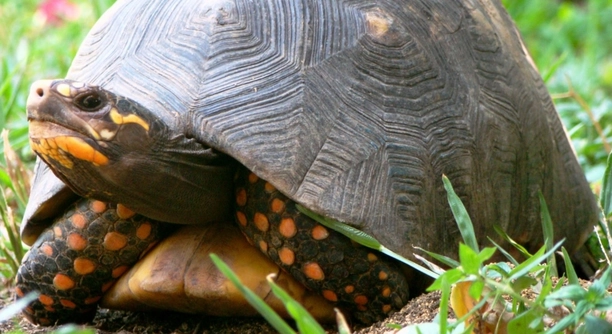
Red-footed tortoises are popular pets known for their calm demeanor. As an owner, it’s important to provide them with a varied diet. Knowing what foods are safe for them is crucial for their health and well-being.
Red-footed tortoises can safely eat peppers in moderation, but certain types are better than others. Bell peppers are a safe option, providing essential nutrients. Avoid hot peppers, as they may irritate their digestive system and cause harm.
Understanding which peppers are safe for your red-footed tortoise can help maintain its health and avoid unnecessary risks.
What Makes Peppers Safe for Red-Footed Tortoises?
Peppers are a nutritious option for red-footed tortoises when offered in the right proportions. They are rich in vitamins A and C, which help support your tortoise’s immune system and vision. Bell peppers are an ideal choice, as they are mild in flavor and packed with nutrients. Their vibrant colors also make them visually appealing to tortoises, stimulating their appetite.
Despite being healthy, peppers should be offered as a treat, not a main food source. Too much pepper can lead to digestive issues for your tortoise, especially if it’s not balanced with other vegetables. Always introduce new foods slowly and observe for any changes in behavior or health.
Another benefit of peppers is that they are low in calories and fat. This makes them a suitable option for tortoises that need to maintain a healthy weight. However, it is essential to vary their diet with other vegetables like leafy greens and fruits to avoid nutritional imbalances.
Peppers to Avoid
Hot peppers should always be avoided for red-footed tortoises.
Hot peppers, such as jalapeños and chili peppers, contain capsaicin, which can cause irritation to your tortoise’s digestive system. This can lead to discomfort, diarrhea, or more severe gastrointestinal issues. It’s important to keep these peppers out of their diet entirely to avoid any unnecessary harm.
Health Benefits of Peppers for Red-Footed Tortoises
Peppers are high in vitamins and antioxidants, supporting your tortoise’s overall health. Vitamin A helps with eye health, while vitamin C boosts the immune system. Their fiber content also aids in digestion, making them a beneficial addition to their diet in moderation.
Offering a variety of colorful peppers helps provide different nutrients. Red and yellow peppers contain higher levels of beta-carotene, which is essential for good vision. These nutrients support the tortoise’s ability to see clearly, ensuring it can safely navigate its environment. As part of a varied diet, peppers help maintain your tortoise’s vitality.
Though peppers are beneficial, variety is key. They should not be the only vegetable offered. Combining peppers with leafy greens and other vegetables ensures a well-rounded diet, preventing deficiencies in essential nutrients. A balanced approach supports your tortoise’s long-term health.
How to Safely Serve Peppers
Wash peppers thoroughly before serving them to your tortoise.
Remove any seeds and stems, as they are harder to digest and may cause stomach discomfort. Chop the pepper into small, manageable pieces for easier consumption. Offering a mix of raw and lightly steamed vegetables encourages variety in their diet.
How Often to Feed Peppers
Peppers should be offered as an occasional treat, not a daily staple.
Red-footed tortoises can enjoy peppers once or twice a week. Too much can lead to an imbalanced diet. Always ensure that peppers make up a small portion of the overall meal, with other vegetables making up the majority.
Can Peppers Be Combined with Other Vegetables?
Peppers pair well with leafy greens, such as collard or dandelion greens.
Mixing peppers with other safe vegetables helps provide a wider range of nutrients. Offer them alongside other colorful veggies like squash or carrots to maximize the health benefits. The variety in textures and colors makes mealtime more enjoyable for your tortoise.
FAQ
Can red-footed tortoises eat all types of peppers?
Red-footed tortoises can eat bell peppers, which are mild and packed with nutrients. However, hot peppers, like jalapeños or chili peppers, should be avoided. These contain capsaicin, which can irritate your tortoise’s digestive system and cause discomfort. Always stick to mild peppers and avoid any spicy varieties.
Are peppers good for red-footed tortoises?
Yes, peppers are a good source of vitamins A and C. They help support the immune system and promote healthy vision in red-footed tortoises. Peppers also contain fiber, which aids in digestion. When offered in moderation, peppers can be a beneficial addition to your tortoise’s diet.
How much pepper should I feed my red-footed tortoise?
Peppers should be offered in small amounts, as part of a balanced diet. A few small pieces, once or twice a week, are sufficient. Overfeeding peppers can lead to digestive issues or an imbalance in nutrition. Always ensure that your tortoise’s main diet consists of other vegetables and leafy greens.
Can I feed my red-footed tortoise hot peppers?
No, hot peppers should be avoided entirely. These contain capsaicin, which can cause irritation and discomfort to your tortoise’s digestive system. Hot peppers may also lead to digestive upset, diarrhea, or worse. Always opt for mild peppers like bell peppers instead.
Are there any other vegetables that go well with peppers?
Yes, peppers can be paired with a variety of vegetables to offer a balanced diet. Leafy greens, such as collard greens or dandelion leaves, go well with peppers. You can also combine peppers with squash, carrots, or zucchini to provide a variety of nutrients. Mixing vegetables keeps mealtime interesting for your tortoise.
Should I feed peppers to my tortoise every day?
No, peppers should not be fed daily. They should be offered as an occasional treat, about once or twice a week. Overfeeding peppers can lead to an imbalance in your tortoise’s diet. Stick to offering them in small portions, alongside other vegetables and leafy greens.
How do I prepare peppers for my tortoise?
Wash the peppers thoroughly to remove any pesticides or chemicals. Remove the seeds and stems, as they are harder to digest. Cut the peppers into small, bite-sized pieces, which will be easier for your tortoise to eat. You can offer the peppers raw or lightly steamed.
Can peppers help with my tortoise’s digestive health?
Yes, peppers can aid digestion. They contain fiber, which promotes healthy digestion in your tortoise. Fiber helps regulate bowel movements and supports gut health. Offering a variety of vegetables, including peppers, helps ensure a well-rounded diet that supports your tortoise’s digestive system.
What other fruits or vegetables are safe for red-footed tortoises?
Red-footed tortoises enjoy a variety of fruits and vegetables. Some safe options include leafy greens (like dandelion or mustard greens), squash, zucchini, and fruits such as papaya, mango, and berries. However, some fruits, like citrus, should be avoided due to their acidity. Always ensure variety in their diet.
Can peppers be harmful if fed too often?
Yes, feeding peppers too often can cause issues. While peppers are nutritious, they should only be given in moderation. Overfeeding peppers can lead to digestive problems, such as diarrhea or constipation, and disrupt the nutritional balance of your tortoise’s diet. Keep portions small and varied.
What should I avoid feeding my red-footed tortoise?
Avoid feeding your tortoise high-oxalate foods, such as spinach, as they can interfere with calcium absorption. Other harmful foods include processed or sugary snacks, iceberg lettuce, and avocados, which contain toxins that can harm your tortoise. Always research any new food before introducing it to ensure it’s safe.
How do I know if my tortoise is eating too many peppers?
If your tortoise is eating too many peppers, it may show signs of digestive upset, such as diarrhea or a decrease in appetite. Its stool may become watery, and it may seem lethargic or uncomfortable. If any of these signs occur, reduce the amount of peppers and monitor its health closely.
Can peppers be harmful to baby red-footed tortoises?
Peppers should be introduced carefully to baby tortoises. Since their digestive systems are still developing, it’s important to offer food in smaller quantities. Baby red-footed tortoises should primarily be fed leafy greens, grasses, and other soft vegetables. Peppers can be offered in moderation, but always observe for any adverse reactions.
Can red-footed tortoises eat peppers with seeds?
No, seeds should be removed from peppers before feeding them to your tortoise. Pepper seeds can be hard to digest and may cause discomfort. Always remove seeds and stems, and chop the pepper into small, manageable pieces to ensure your tortoise can eat it safely.
Is it safe to feed red-footed tortoises bell peppers every week?
Yes, bell peppers can be safely fed to red-footed tortoises once or twice a week. Bell peppers are mild and full of beneficial nutrients like vitamins A and C. Just make sure to offer them in small quantities and vary the other vegetables and fruits you provide to maintain a balanced diet.
Final Thoughts
Peppers can be a healthy treat for red-footed tortoises when offered in moderation. They are rich in vitamins and fiber, making them a valuable addition to your tortoise’s diet. However, it’s essential to remember that peppers should not make up a large portion of their meals. While peppers provide essential nutrients, they should be combined with other vegetables and leafy greens to ensure a balanced and varied diet. Offering different types of vegetables is key to maintaining your tortoise’s health.
Feeding peppers too frequently can lead to digestive problems, such as diarrhea or upset stomach. Overfeeding any type of food, including peppers, can cause an imbalance in nutrition, which could affect your tortoise’s overall health. It’s important to focus on providing a diverse range of vegetables, fruits, and greens to support your tortoise’s digestive system. If you are unsure about the right amount, consult a reptile expert to help guide you on feeding your tortoise appropriately.
As with any pet, it’s crucial to monitor your tortoise’s health closely when introducing new foods. Always ensure that the peppers are fresh and free of pesticides. Clean the peppers thoroughly and remove seeds before offering them to your tortoise. By paying attention to their dietary needs and introducing peppers responsibly, you can help your red-footed tortoise enjoy a healthy, well-rounded diet.

Hello,
If you enjoy the content that we create, please consider saying a "Thank You!" by leaving a tip.
Every little bit helps us continue crafting quality advice that supports the health, happiness, and well-being of pets around the world, for pets of all shapes, sizes, and species.
We really appreciate the kindness and support that you show us!