
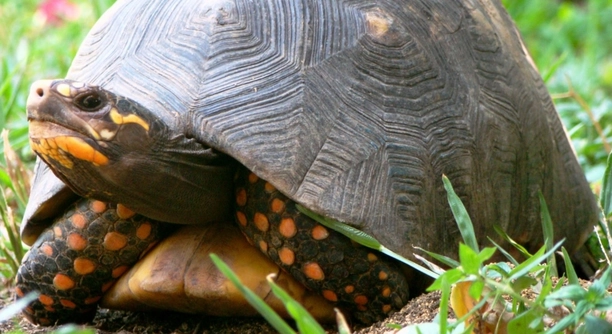
Do you ever find yourself wondering if red-footed tortoises can safely enjoy mango as part of their diet? These tropical reptiles have diverse dietary needs, and as a responsible pet owner, it is essential to understand what fruits they can eat.
Red-footed tortoises can eat mango in moderation. This fruit is safe for them and provides beneficial vitamins, but its high sugar content means it should only be an occasional treat. Feeding too much mango can lead to digestive issues and imbalanced nutrition.
While mango is a tasty option, it is important to serve it properly and in the right quantity. Understanding the risks and benefits will help you keep your tortoise healthy and happy.
Nutritional Benefits of Mango for Red-Footed Tortoises
Mango is packed with essential vitamins and minerals that can benefit red-footed tortoises. It contains vitamin A, which supports eye health and immune function. The fruit also provides vitamin C, helping with overall well-being. Mango’s natural sugars offer a quick source of energy, while its fiber aids digestion. However, due to its sugar content, mango should not be a daily part of their diet. Overfeeding fruits can lead to imbalances, reducing the intake of necessary greens and proteins. To maintain a proper diet, mango should only be an occasional treat alongside leafy greens and other safe vegetables.
A small portion of mango can add variety to your tortoise’s meals. Its bright color and sweet taste make it an appealing snack. However, it is important to ensure the majority of their diet consists of leafy greens, vegetables, and protein sources like mushrooms.
Feeding mango in the right way is important. The fruit should be ripe but not overly soft. Always remove the skin and pit, as these parts are difficult to digest. Cut the mango into small pieces to make it easier for your tortoise to eat. Mixing mango with greens can help balance its sugar content while providing necessary fiber.
How Much Mango is Safe?
A few small pieces of mango once or twice a month are enough. Too much fruit can lead to digestive issues and nutritional imbalances. It is best to rotate mango with other fruits like papaya and berries for variety.
Red-footed tortoises thrive on a diverse diet, and moderation is key when offering fruit. Since they are omnivorous, their meals should include a mix of plant-based foods and occasional protein sources. Fruit should make up no more than 10% of their diet. Feeding too much mango can cause diarrhea and disrupt calcium absorption, leading to long-term health concerns. The high sugar content can also contribute to weight gain if given too frequently. Offering mango alongside fibrous greens can help slow sugar absorption and support better digestion.
To ensure a balanced diet, always observe how your tortoise reacts after eating mango. If there are signs of digestive upset, reduce the amount or limit fruit intake. Every tortoise has different dietary needs, so adjusting portion sizes based on their health and activity levels is important. Providing a mix of safe fruits, vegetables, and protein will help maintain a well-rounded diet.
Best Ways to Serve Mango to Your Tortoise
Mango should always be fresh and ripe before serving. Remove the skin and pit, as these parts are tough to digest. Cut the fruit into small, bite-sized pieces to prevent choking. Mixing mango with fibrous greens can help balance its sugar content.
Feeding mango in moderation is important. A few small pieces can be offered alongside staple foods like dandelion greens, hibiscus, or squash. Mango should never replace essential dietary components. Avoid dried or processed mango, as these contain added sugars and preservatives that are not safe. Introducing mango slowly allows you to monitor how your tortoise reacts. If there are no signs of digestive upset, occasional servings are fine.
Serving mango as part of a varied diet helps maintain overall health. Mixing it with other safe fruits like papaya and berries can provide additional nutrients. Washing the fruit thoroughly before feeding removes any pesticides. Keeping portion sizes small ensures your tortoise enjoys mango without negative effects. Observing their eating habits helps you adjust portions as needed. Rotating fruits prevents excessive sugar intake while keeping their meals interesting. Providing a range of fresh, natural foods supports long-term well-being.
Signs Your Tortoise Has Eaten Too Much Mango
Too much mango can cause diarrhea and bloating. If your tortoise has loose stools or reduced appetite after eating mango, cut back on fruit intake. Monitor hydration levels and ensure they have access to fresh water. Overfeeding sugary fruits can lead to weight gain over time.
A poor diet can affect shell and bone health. Mango is high in sugar, which can interfere with calcium absorption. If your tortoise is eating too much fruit, you may notice soft shell development or sluggish behavior. A well-balanced diet should contain mostly greens and vegetables, with limited fruit. If health issues arise, adjust their meals accordingly. Providing enough calcium and fiber will help counteract any negative effects of excess sugar. Keeping track of their diet prevents potential issues before they become serious.
If symptoms persist, consider adjusting feeding habits. Reducing fruit intake and increasing leafy greens can help restore balance. Providing cuttlebone or calcium supplements may be necessary if there are signs of deficiency. Regularly checking weight and shell condition ensures your tortoise stays healthy. If digestive issues continue, consult a reptile veterinarian for guidance on dietary adjustments.
Other Fruits That Are Safe for Red-Footed Tortoises
Papaya, banana, and watermelon are safe options in small amounts. These fruits provide vitamins and hydration but should be given occasionally. Avoid feeding citrus fruits, as they are too acidic. A balanced diet should always include more greens than fruit to maintain proper nutrition.
Berries like strawberries and blueberries are also suitable. They contain antioxidants that support immune health. However, their sugar content means they should be fed sparingly. Apples can be offered in small pieces without seeds, as seeds contain harmful compounds. Rotating different fruits helps provide variety without overloading on sugar.
Fruits to Avoid
Grapes, citrus fruits, and avocados should never be fed. Grapes are high in sugar, citrus fruits can cause digestive upset, and avocados contain toxins harmful to tortoises. Processed or canned fruits should also be avoided due to added sugars and preservatives that can negatively affect digestion.
Final Thoughts on Feeding Mango
Mango is a safe and nutritious treat when given in moderation. Feeding it occasionally can provide variety while keeping your tortoise’s diet balanced. Prioritizing leafy greens and fiber-rich vegetables ensures proper nutrition. Watching portion sizes and monitoring health will help prevent issues related to excessive fruit consumption.
FAQ
Can red-footed tortoises eat mango skin?
No, red-footed tortoises should not eat mango skin. The skin is tough and difficult to digest, which can cause digestive discomfort. It may also contain pesticide residues, even after washing. Always remove the skin before feeding mango to your tortoise.
How often can I feed my tortoise mango?
Mango should only be fed once or twice a month. While it is safe in small amounts, too much fruit can lead to digestive issues and nutritional imbalances. A tortoise’s diet should be primarily leafy greens, vegetables, and a small amount of protein.
Can baby red-footed tortoises eat mango?
Baby red-footed tortoises can eat mango, but only in tiny portions. Their diet should focus on high-fiber greens and calcium-rich foods to support proper growth. Feeding too much fruit at a young age can lead to improper shell development and digestive problems.
What happens if my tortoise eats too much mango?
Eating too much mango can cause diarrhea, bloating, and an upset stomach. The high sugar content may also interfere with calcium absorption, affecting shell and bone health. If your tortoise shows signs of digestive discomfort, reduce fruit intake and increase fiber-rich greens.
Can mango replace other fruits in my tortoise’s diet?
No, mango should not replace other fruits. A variety of fruits like papaya, berries, and melons provide different nutrients. Rotating fruits ensures a balanced diet and prevents excessive sugar intake from any single fruit source. Always prioritize vegetables and greens over fruit.
Should I mix mango with other foods?
Yes, mixing mango with fibrous greens like collard greens, dandelion leaves, or hibiscus helps balance sugar intake. Combining mango with other safe foods also prevents selective eating and ensures your tortoise gets a range of nutrients from different sources.
Can tortoises eat dried mango?
No, dried mango is not recommended. It contains concentrated sugars, which can lead to weight gain and digestive issues. Many dried fruits also have added preservatives or sulfites that are not safe for tortoises. Fresh mango is always the better choice.
What is the best way to serve mango to a red-footed tortoise?
The best way to serve mango is to peel it, remove the pit, and cut it into small pieces. Soft, ripe mango is easier to eat. Mixing it with greens can help balance sugar intake while making the meal more nutritious.
Can I feed my tortoise mango every week?
No, feeding mango every week is too frequent. Fruits should only make up about 10% of a red-footed tortoise’s diet. Offering mango too often can lead to excessive sugar intake, so it’s best to limit it to once or twice a month.
Are frozen mango pieces safe for tortoises?
Yes, frozen mango can be fed if thawed first. However, fresh mango is preferable since freezing may slightly reduce its nutritional value. Always make sure the mango is at room temperature before feeding to avoid shocking your tortoise’s digestive system.
How much mango should I give at one time?
A small portion, about the size of a couple of bite-sized pieces, is enough. Overfeeding fruit can cause imbalances in their diet. Serving mango alongside fibrous vegetables helps regulate sugar intake and promotes better digestion.
Can red-footed tortoises eat mango pits?
No, mango pits should never be fed. They are too large and hard to digest, posing a choking hazard. The pit also contains compounds that could be harmful to tortoises. Always remove the pit before offering mango.
Does mango have any benefits for tortoises?
Yes, mango provides vitamin A, vitamin C, and fiber, which support eye health, immune function, and digestion. However, its high sugar content means it should only be an occasional treat rather than a regular part of their diet.
Can tortoises eat unripe mango?
Unripe mango is not recommended. It is firmer, more acidic, and can be harder to digest. Ripe mango is softer and easier for tortoises to consume. Always choose fully ripened mango for better digestion and taste.
What should I do if my tortoise refuses to eat mango?
Some tortoises may not like mango, which is perfectly fine. Not all tortoises enjoy fruit, and their preferences can vary. If your tortoise refuses mango, simply offer other safe fruits like papaya, banana, or berries as an alternative.
Final Thoughts
Mango can be a safe and nutritious treat for red-footed tortoises when given in moderation. It provides vitamins and hydration, but its high sugar content means it should never become a regular part of their diet. A tortoise’s primary diet should consist of leafy greens, vegetables, and occasional protein sources. Fruit should only make up about 10% of their overall food intake. Feeding mango too often can lead to digestive issues, weight gain, and nutrient imbalances. By offering small portions and rotating different fruits, you can ensure your tortoise gets a variety of nutrients without excessive sugar.
When serving mango, always remove the skin and pit, as these parts are difficult to digest and could pose a choking hazard. Fresh, ripe mango is the best option, while dried or processed mango should always be avoided due to added sugars and preservatives. Cutting the mango into small pieces makes it easier for your tortoise to eat and helps with portion control. Mixing mango with fibrous greens can also slow sugar absorption and promote better digestion. If your tortoise shows signs of digestive discomfort after eating mango, it’s best to reduce the amount or offer fruit less frequently. Every tortoise has different dietary needs, so monitoring their health and adjusting portions accordingly is essential.
Feeding a well-balanced diet is the key to keeping your red-footed tortoise healthy. Mango can be an occasional treat, but it should never replace more important foods like greens and vegetables. Providing a variety of safe foods will ensure your tortoise gets the right nutrients for long-term well-being. If you are ever unsure about dietary choices, consulting a reptile veterinarian can help you make the best decisions for your pet’s health. By keeping portions small and following proper feeding guidelines, you can safely include mango as part of a diverse and nutritious diet for your red-footed tortoise.

Hello,
If you enjoy the content that we create, please consider saying a "Thank You!" by leaving a tip.
Every little bit helps us continue crafting quality advice that supports the health, happiness, and well-being of pets around the world, for pets of all shapes, sizes, and species.
We really appreciate the kindness and support that you show us!